Simone
  • About Us
    • News
    • Donation Details
  • Programs
    • Primary School
    • Highschool
    • Vocational School
  • Ways to Give
    • Sponsor A Child with Simone’s Kids
    • Village (Monthly Giving)
    • Specific Projects
    • Stocks & More
  • Contact
  • Get Involved
    • Trips
  • DONATE
  • FUNDRAISE
  • Click to open the search input field Click to open the search input field Search
  • Menu Menu

How Uganda Became an Independent Nation

News

The modern history of Uganda is a complex one that arose from the desire of powerful European countries to seize African territories as part of their industrial empires. It took many decades for Uganda to attain independence after it was colonized by the United Kingdom. Here’s a brief historical timeline of how the country of Uganda came to be formed and established as a sovereign nation.

  • 1884: Berlin Conference. On November 15, 1884, the Berlin conference took place. This was the high point of European competition for African lands. During the meeting, the United Kingdom (UK), France, Germany, Portugal, and Belgium negotiated for territories and agreed on free trade between their colonies. No African leaders were consulted on the meeting or its outcomes. The conference paved the way for further European colonization; by 1900, Europe had claimed almost 90% of Africa.
  • 1888-1894: Buganda falls under British control. In 1888, the kingdom of Buganda (part of current-day Uganda) fell under the charter of the British East Africa Company. From 1894 onward, the UK controlled Buganda as a protectorate.
  • 1900-1914: Buganda gains autonomy. In 1900, the UK granted Buganda autonomy (not independence), transforming it into a constitutional monarchy. The UK added further territories until the geographical region now known as Uganda was established in 1914.
  • 1921: Uganda is granted a legislative council. The legislative council was allowed to pass its own laws, although no Africans were allowed to be members of it until 1945.
  • 1958-1961: Uganda is granted internal self-government. In 1958, Colonial Administrative secretary J.V. Wild chaired a committee to set up structures for elections as part of the path to Uganda’s independence. Two political parties emerged: the Democratic Party (DP) and the Uganda People’s Conference (UPC). In 1961, Uganda’s first election was held, although Buganda boycotted the proceedings. The DP won and formed Uganda’s first internal government.
  • 1962: Uganda becomes independent. On October 9, 1962, Uganda achieved independence from the UK. Another election was held in which Buganda was represented in the manner it desired. UPC won and allied itself with Buganda; a federal constitution was adopted in April. Milton Obote became Uganda’s prime minister, and Edward Frederick Mutesa II, the king of Buganda, was elected president in October of 1963. October 9 has been the Ugandan Independence Day ever since.

Unfortunately, Uganda has been troubled by violent political conflicts and health crises almost since its inception as an independent nation. An excellent way to help the Ugandan people today is to support African schools, which provide children with the tools they need to build a more promising future. 

Help Provide Educational Support and Essential Supplies for Children in Uganda

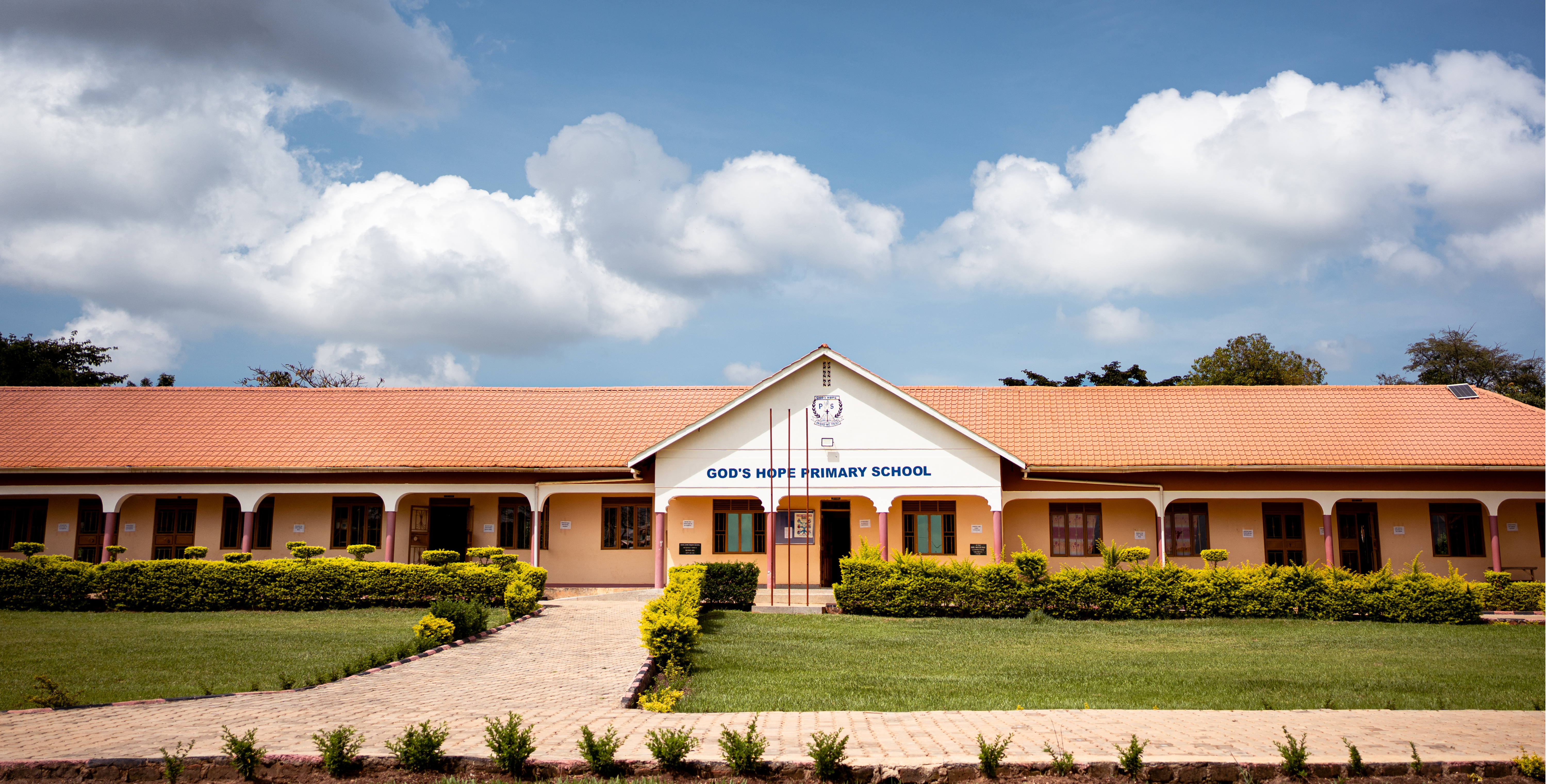
Simone’s Kids in Nakaseke, Uganda provides education and meets basic needs for children in order to help them break the cycle of poverty. Your donations help purchase school supplies, textbooks, food, and other necessities for all Ugandan students in our care.

Join us in giving back this year with gifts that provide hope to our students in Uganda. Make a difference by shopping at the Simone’s Kids Store or donating to Simone’s Kids today!
May 16, 2022/0 Comments
https://www.simoneskids.org/wp-content/uploads/2022/01/THE-3.png 3041 6000 Ellie Wooldridge https://www.simoneskids.org/wp-content/uploads/2026/01/Simones-Kids-Logo.png Ellie Wooldridge2022-05-16 16:19:262022-05-16 16:19:26How Uganda Became an Independent Nation

The Benefits of Recurring Donations for Donors

News

If you enjoy supporting good causes, but are looking for a more efficient, streamlined way to do so, consider enrolling in a charitable organization’s monthly donation program. The most common recurring donation amounts are around $52 per month, but you can choose the amount that works best for your budget.

The importance of recurring donations for nonprofits really can’t be overstated, as they provide organizations with plentiful and predictable funding—but these have quite a few benefits for donors as well. Here are some excellent reasons to give recurring donations to your most beloved organizations.

  • The empowerment of making a lasting impact. You can help your nonprofit of choice accomplish much more with monthly donations than with the one-off kind. In an increasingly chaotic and crisis-filled world, this can feel all the more empowering, which is good for your overall mental health. You may be able to sleep easier knowing that you’re standing with your favorite nonprofit and its cause all year long.
  • Convenience. Recurring donations are like autopay for your monthly bills: giving gets done without the need for to-do lists, checkbooks, stamps, or even the lift of a finger. You’ll also have peace of mind knowing that even when your life gets busy or stressful, you’ll never forget to give to the nonprofits and charities you love.
  • Avoids holiday budget conflicts. The difficulty with the tradition of charitable giving around the winter holidays is that donors are also having to do increased spending elsewhere (and are busier, with higher stress levels). With recurring donations, you’ll give the same amount all year long, and you’ll actually be giving more overall—all without breaking your holiday budget.
  • Insider perks. Many nonprofits offer small fringe benefits to their most loyal donors, such as invitations to exclusive events, forms of recognition, personalized correspondence, discounts on products or services, or even free prizes or merchandise. Insider perks shouldn’t be the main reason you donate. However, they can make for a great mood booster, open new doors, add fun to your life, and even work as a handy talking point whenever you’re asked about your interests.

Make Recurring Donations That Support Ugandan Children

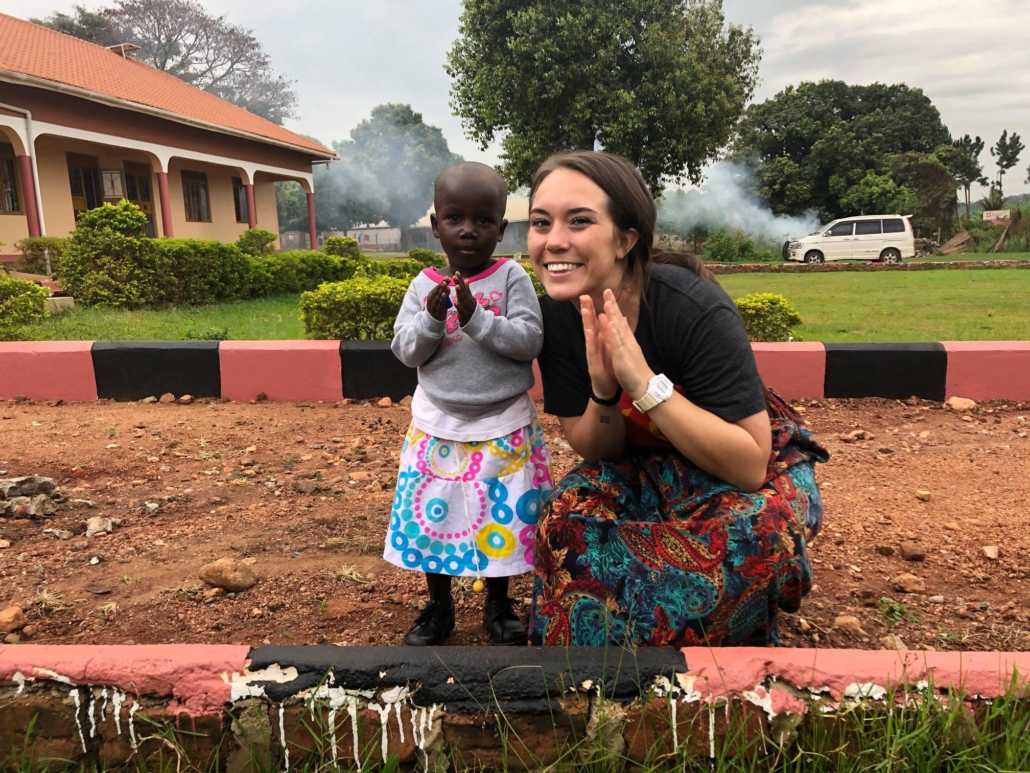
You can maximize your impact in the world as a donor by supporting Ugandan schools, which provide children with the tools they need to build a more promising future. Simone’s Kids in Nakaseke, Uganda provides education and meets basic needs for children in order to help them break the cycle of poverty. 

You can make recurring donations to Simone’s Kids by joining The Village. The Village is a passionate group of donors committed to bettering the lives of children in Uganda by making monthly donations that help to provide better meals, more teachers, more activities, and even post-graduation services. 

You can also make a difference by shopping at the Simone’s Kids Store or donating to Simone’s Kids. Your gifts help purchase school supplies, textbooks, food, and other necessities for Ugandan students. Consider doubling your contribution by asking if your employer participates in a donation match. Give today!

May 16, 2022/0 Comments
https://www.simoneskids.org/wp-content/uploads/2022/05/123215929_3760966857249698_924076820416150133_n.jpg 1512 2016 Ellie Wooldridge https://www.simoneskids.org/wp-content/uploads/2026/01/Simones-Kids-Logo.png Ellie Wooldridge2022-05-16 16:05:442022-05-16 16:05:44The Benefits of Recurring Donations for Donors

Pages

  • 2023 Report
  • About Simone’s Kids
  • Address
  • Afterschool
  • Celebrate
  • Classroom for Christmas
  • Contact
  • Current Projects
  • Donate Stocks
  • Donation Details
  • Double the Donation
  • Event Sponsorship
  • General Contact form
  • Highschool
  • Home
  • Home for the Holidays 24
  • Job Opportunities
  • Links
  • Lunchline
  • News
  • Not Back to School Campaign
  • Not Back to School Resources
  • Primary School
  • Privacy Policy
  • Programs
  • quiz
  • Sponsor A Child with Simone’s Kids
  • Terms & Conditions
  • Thank You
  • Trips
  • Village
  • Village Lunch RSVP
  • Vocational School
  • Vocational School
  • World Malaria Day
  • World Malaria Day

Categories

  • News

Archive

  • June 2025
  • May 2025
  • April 2025
  • March 2025
  • February 2025
  • January 2025
  • November 2024
  • October 2024
  • September 2024
  • August 2024
  • July 2024
  • June 2024
  • May 2024
  • April 2024
  • March 2024
  • February 2024
  • January 2024
  • December 2023
  • November 2023
  • October 2023
  • August 2023
  • July 2023
  • June 2023
  • May 2023
  • April 2023
  • March 2023
  • February 2023
  • January 2023
  • December 2022
  • November 2022
  • October 2022
  • September 2022
  • August 2022
  • July 2022
  • May 2022
  • April 2022
  • March 2022
  • February 2022
  • January 2022
  • December 2021
  • November 2021
  • August 2021
  • February 2021
  • January 2021
  • July 2020
  • May 2020
  • March 2020
  • May 2019
  • February 2019
  • December 2018
  • November 2018
  • August 2018
  • June 2018
  • May 2018
  • March 2018
  • January 2018
  • November 2017
  • August 2017
  • July 2017
  • June 2017
  • May 2017
  • April 2017
  • January 2017
  • June 2016
  • October 2015
  • September 2015

Get to know us

  • About Us
  • Our Team
  • Finances
  • Youtube

Connect

  • Contact us
  • Donate
  • Blog
  • Job Opportunities

Get Involved

    • Join the Village
    • Sponsor a Child
    • Travel to Uganda
    • Shop Our Store

Registered 501(c)(3). EIN: 27-2202937

© Copyright - Simone's Kids 2026 | 200 West Main Street, Cartersville GA 30120
  • Link to Facebook
  • Link to Youtube
  • Link to Instagram
  • Donation Details
  • Privacy Policy
  • Terms & Conditions
Scroll to top Scroll to top Scroll to top

This site uses cookies. By continuing to browse the site, you are agreeing to our use of cookies.

Accept settingsHide notification onlySettings

Cookie and Privacy Settings


How we use cookies

We may request cookies to be set on your device. We use cookies to let us know when you visit our websites, how you interact with us, to enrich your user experience, and to customize your relationship with our website.

Click on the different category headings to find out more. You can also change some of your preferences. Note that blocking some types of cookies may impact your experience on our websites and the services we are able to offer.

Essential Website Cookies

These cookies are strictly necessary to provide you with services available through our website and to use some of its features.

Because these cookies are strictly necessary to deliver the website, refusing them will have impact how our site functions. You always can block or delete cookies by changing your browser settings and force blocking all cookies on this website. But this will always prompt you to accept/refuse cookies when revisiting our site.

We fully respect if you want to refuse cookies but to avoid asking you again and again kindly allow us to store a cookie for that. You are free to opt out any time or opt in for other cookies to get a better experience. If you refuse cookies we will remove all set cookies in our domain.

We provide you with a list of stored cookies on your computer in our domain so you can check what we stored. Due to security reasons we are not able to show or modify cookies from other domains. You can check these in your browser security settings.

Other external services

We also use different external services like Google Webfonts, Google Maps, and external Video providers. Since these providers may collect personal data like your IP address we allow you to block them here. Please be aware that this might heavily reduce the functionality and appearance of our site. Changes will take effect once you reload the page.

Google Webfont Settings:

Google Map Settings:

Google reCaptcha Settings:

Vimeo and Youtube video embeds:

Privacy Policy

You can read about our cookies and privacy settings in detail on our Privacy Policy Page.

Privacy Policy
Accept settingsHide notification only