
Simone
  • About Us
    • News
    • Donation Details
  • Programs
    • Primary School
    • Highschool
    • Vocational School
  • Ways to Give
    • Sponsor A Child with Simone’s Kids
    • Village (Monthly Giving)
    • Specific Projects
    • Stocks & More
  • Contact
  • Get Involved
    • Trips
  • DONATE
  • FUNDRAISE
  • Click to open the search input field Click to open the search input field Search
  • Menu Menu

The Importance of Reading to Children

News

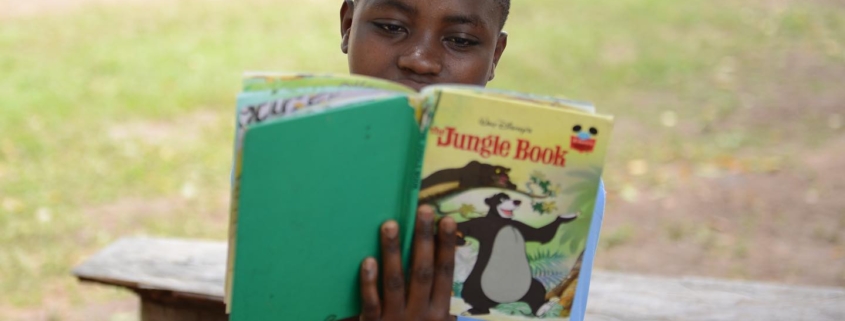
Since public education in many countries does not begin until age four or later, parents and caregivers are frequently encouraged to support children’s literacy by reading to them before they enter school. Reading aloud benefits children in many significant ways and is critical to their success in school. Here are just a few ways that regular story time sessions help children’s intellectual development.

The Benefits of Reading to Children

Reading out loud to children strengthens their ability to visualize images, grasp the plot of a story, and build vocabulary. Each of these basic skills provides the foundation for more advanced ones. For example, studies show that 24-month-old children with larger oral vocabularies display greater academic and behavioral functioning when they enter kindergarten than those with less developed vocabularies.

While some may see reading as only a single subject, every academic subject requires a degree of foundational literacy. This includes math problems, social studies texts, science experiments, and more. Students who have been read to and continue to read on their own have an easier time making connections to background knowledge, identifying patterns and shapes, drawing conclusions, and thinking critically.

Reading to children helps them do more than perform well in school, however. Because books are one of the media through which children first perceive their world and its workings, studies show that introducing them to books strengthens their social, emotional, and ethical development. Reading aloud in early childhood reduces aggression, hyperactivity, and attention difficulties, and likely other problematic behaviors as well.
Literacy Rates in Africa

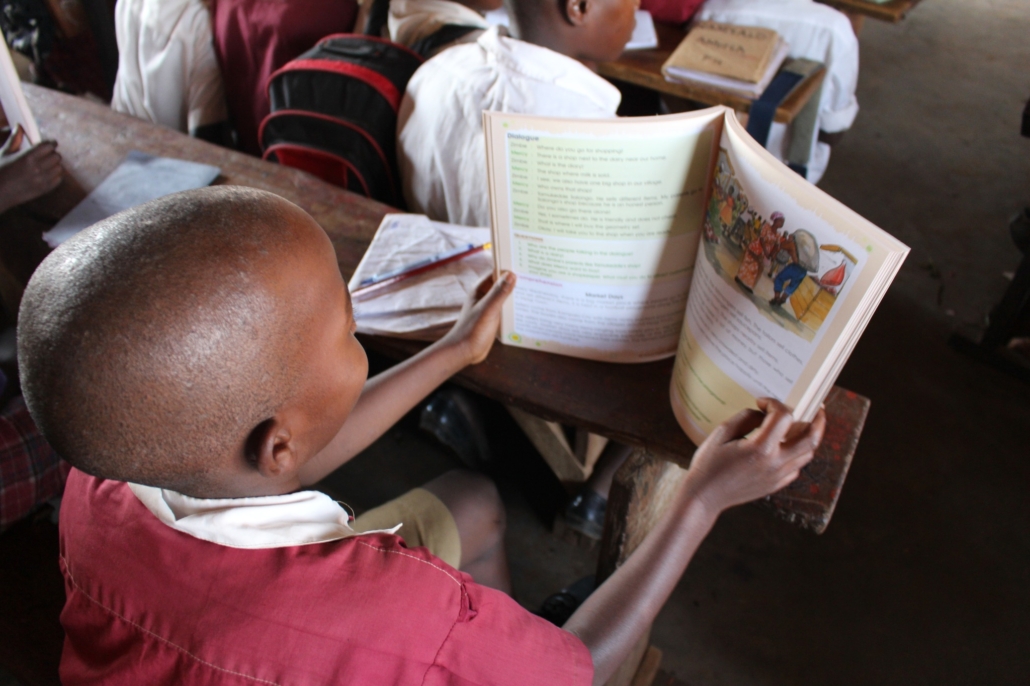
Almost nowhere is child literacy in need of more support than in Africa, which has m

any countries with literacy rates among the lowest globally. Improving literacy in Africa can be a cyclical challenge: adults with poor literacy are unable to read aloud to their children or effectively teach them to read, which makes students less likely to perform well in school or thrive as adults.

This is particularly true in Sub-Saharan Africa, which is home to 27% of all illiterate adults in the world; female literacy rates in Sub-Saharan Africa are even lower than that of males. Parental involvement in literacy efforts in Sub-Saharan Africa is often hampered by poverty and food insecurity. Additionally, in Uganda, pandemic-related lockdowns have shuttered schools for long periods of time. The Ugandan literacy rate is only slightly over 70% for people over fifteen.

How to Help Ugandan Children Reap the Benefits of Reading

One powerful way to help improve literacy rates is to make donations to Ugandan charities and schools as well as those elsewhere in Africa. A high-quality education equips each student with the tools necessary for improving their reading skills and their quality of life as well as that of their communities.

Simone’s Kids in Nakaseke, Uganda provides education and meets basic needs for children in order to help them break the cycle of poverty. Your donations help purchase school supplies, textbooks, food, and other necessities for Ugandan students. Make a difference by shopping at the Simone’s Kids Store or donating to Simone’s Kids today!
 

January 19, 2022/0 Comments
https://www.simoneskids.org/wp-content/uploads/2022/01/116906642_10158592455964444_2495385031454470411_n.jpg 960 1440 Ellie Wooldridge https://www.simoneskids.org/wp-content/uploads/2026/01/Simones-Kids-Logo.png Ellie Wooldridge2022-01-19 15:54:372022-01-19 15:54:37The Importance of Reading to Children

Why Nutrition Is Important in Ugandan Schools

News

Studies have identified a close relationship between student nutrition and school performance: students at nutritional risk have worse school attendance, grades, and behavioral conflicts than those who are adequately nourished. Fortunately, problems linked to poor children’s nutrition are reversible, which is why parents and regulatory organizations in wealthy nations are focused on the quality of school meals. However, in places like Africa, where food insecurity can be endemic, proper nutrition is a luxury.

Prevalence of Food Insecurity In Sub-Saharan Africa

Nutritional deficiencies are worst in the poorer countries in Sub-Saharan Africa. In those like Uganda, where poverty is compounded or driven by overpopulation, many households rely on food assistance from foreign aid programs and humanitarian nonprofits to provide daily meals. General food insecurity is a major obstacle to getting basic nutrients. Without them, adult functionality is reduced; children are unable to thrive or

 retain what they are taught in school, which negatively impacts their futures.

Effects of Food Insecurity on Children

Uganda’s global hunger index (GHI) shows that a high percentage of children experience inhibited growth because of nutritional deficiencies, and 53% of Ugandan children between 6 months and 5 years are anemic. It’s no surpris e, then, that their academic development is impaired as well. In 2020, one head teacher remarked: “We saw how our children were behaving. In the afternoon, they would be dizzy all the time and were not concentrating in class.”

Feeding Programs in Ugandan Schools


Recently, UNICEF has implemented nutrition services training as part of a feeding program in the Kole District of Uganda, and administrators are working to do the same in fifteen districts in the most food-insecure parts of the country.

Part of the program involves cultivating community or school gardens for growing produce and other garden goods. Some of it can be used for food, while the rest can be sold to buy meat, grains, and other non-produce foods. This means that schools may well become the most nutritious source of Ugandan food in every community.

However, more comprehensive educational and care support is needed to meet students’ basic health care needs and teach them about nutrition and disease prevention. One powerful way to accomplish this is to make donations to Ugandan charities and schools as well as those elsewhere in Africa. A high-quality education coupled with essential wellness care equips each student with the tools necessary for improving their own quality of life and that of their communities.

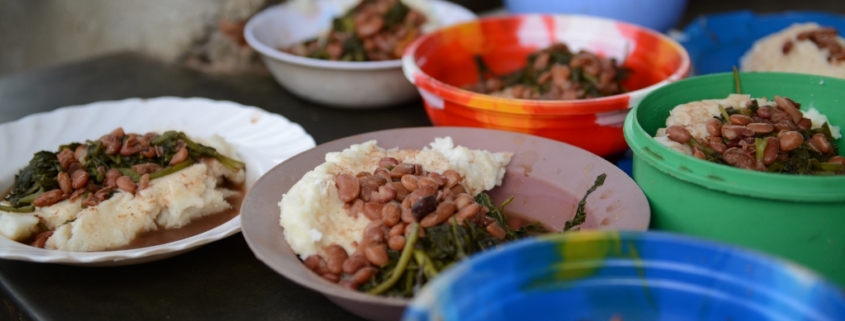
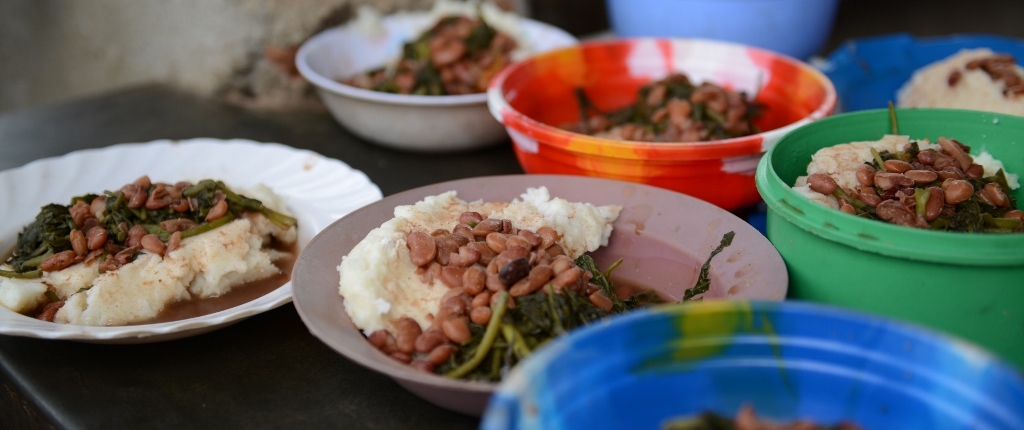
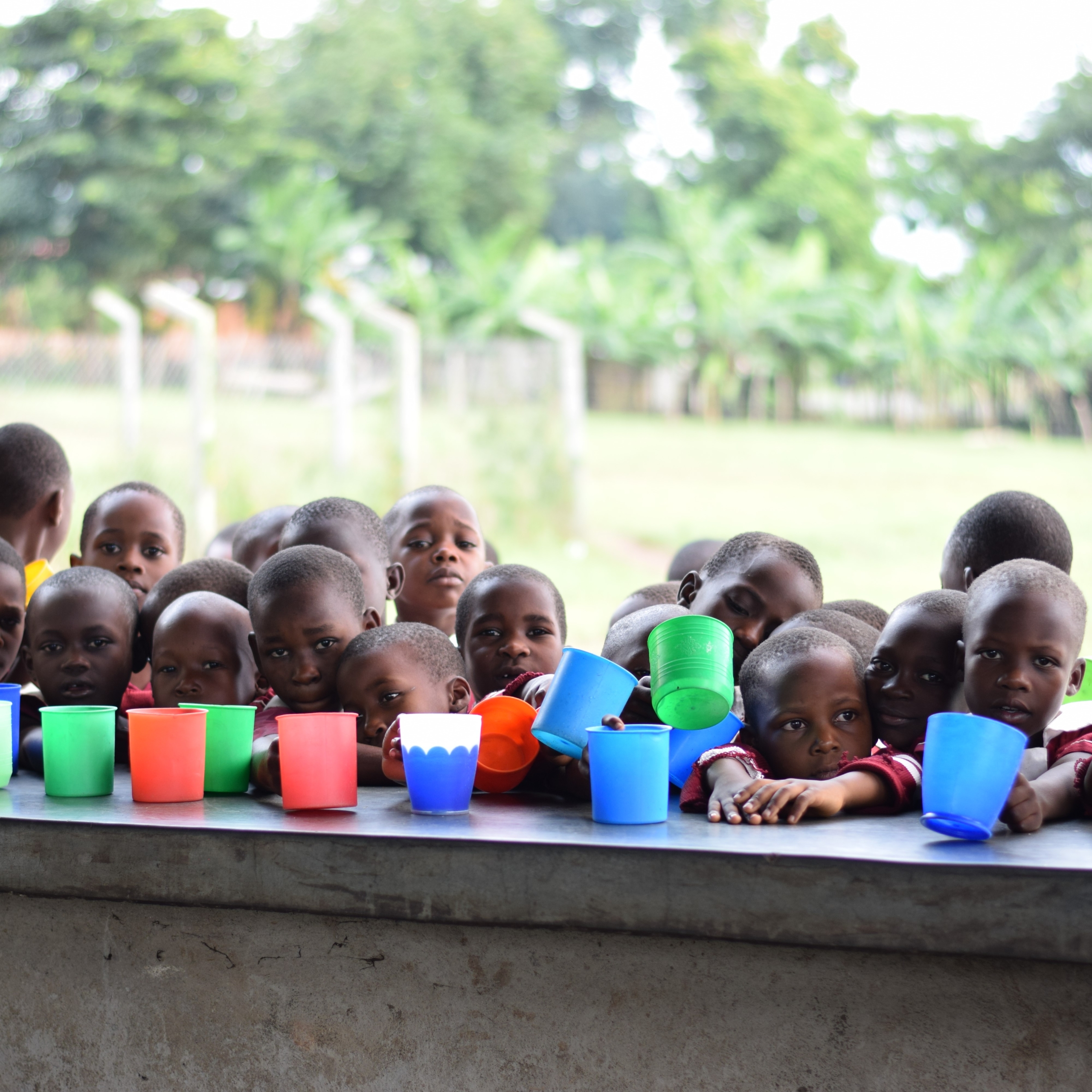
Simone’s Kids in Nakaseke, Uganda provides education and meets basic needs for children in order to help them break the cycle of poverty. Simone’s Kids’ Lunch Line program emphasizes the importance of good nutrition and enables every student to receive one to two meals a day while attending school. Your donations help purchase school supplies, textbooks, food, and other necessities for Ugandan students. Make a difference by shopping at the Simone’s Kids Store or donating to Simone’s Kids today!
January 6, 2022/0 Comments
https://www.simoneskids.org/wp-content/uploads/2022/01/Uganda_2016-471-1024x683-1.jpg 683 1024 Ellie Wooldridge https://www.simoneskids.org/wp-content/uploads/2026/01/Simones-Kids-Logo.png Ellie Wooldridge2022-01-06 19:41:272022-01-10 15:07:27Why Nutrition Is Important in Ugandan Schools

Pages

  • 2023 Report
  • About Simone’s Kids
  • Address
  • Afterschool
  • Celebrate
  • Classroom for Christmas
  • Contact
  • Current Projects
  • Donate Stocks
  • Donation Details
  • Double the Donation
  • Event Sponsorship
  • General Contact form
  • Highschool
  • Home
  • Home for the Holidays 24
  • Job Opportunities
  • Links
  • Lunchline
  • News
  • Not Back to School Campaign
  • Not Back to School Resources
  • Primary School
  • Privacy Policy
  • Programs
  • quiz
  • Sponsor A Child with Simone’s Kids
  • Terms & Conditions
  • Thank You
  • Trips
  • Village
  • Village Lunch RSVP
  • Vocational School
  • Vocational School
  • World Malaria Day
  • World Malaria Day

Categories

  • News

Archive

  • June 2025
  • May 2025
  • April 2025
  • March 2025
  • February 2025
  • January 2025
  • November 2024
  • October 2024
  • September 2024
  • August 2024
  • July 2024
  • June 2024
  • May 2024
  • April 2024
  • March 2024
  • February 2024
  • January 2024
  • December 2023
  • November 2023
  • October 2023
  • August 2023
  • July 2023
  • June 2023
  • May 2023
  • April 2023
  • March 2023
  • February 2023
  • January 2023
  • December 2022
  • November 2022
  • October 2022
  • September 2022
  • August 2022
  • July 2022
  • May 2022
  • April 2022
  • March 2022
  • February 2022
  • January 2022
  • December 2021
  • November 2021
  • August 2021
  • February 2021
  • January 2021
  • July 2020
  • May 2020
  • March 2020
  • May 2019
  • February 2019
  • December 2018
  • November 2018
  • August 2018
  • June 2018
  • May 2018
  • March 2018
  • January 2018
  • November 2017
  • August 2017
  • July 2017
  • June 2017
  • May 2017
  • April 2017
  • January 2017
  • June 2016
  • October 2015
  • September 2015

Get to know us

  • About Us
  • Our Team
  • Finances
  • Youtube

Connect

  • Contact us
  • Donate
  • Blog
  • Job Opportunities

Get Involved

    • Join the Village
    • Sponsor a Child
    • Travel to Uganda
    • Shop Our Store

Registered 501(c)(3). EIN: 27-2202937

© Copyright - Simone's Kids 2026 | 200 West Main Street, Cartersville GA 30120
  • Link to Facebook
  • Link to Youtube
  • Link to Instagram
  • Donation Details
  • Privacy Policy
  • Terms & Conditions
Scroll to top Scroll to top Scroll to top

This site uses cookies. By continuing to browse the site, you are agreeing to our use of cookies.

Accept settingsHide notification onlySettings

Cookie and Privacy Settings


How we use cookies

We may request cookies to be set on your device. We use cookies to let us know when you visit our websites, how you interact with us, to enrich your user experience, and to customize your relationship with our website.

Click on the different category headings to find out more. You can also change some of your preferences. Note that blocking some types of cookies may impact your experience on our websites and the services we are able to offer.

Essential Website Cookies

These cookies are strictly necessary to provide you with services available through our website and to use some of its features.

Because these cookies are strictly necessary to deliver the website, refusing them will have impact how our site functions. You always can block or delete cookies by changing your browser settings and force blocking all cookies on this website. But this will always prompt you to accept/refuse cookies when revisiting our site.

We fully respect if you want to refuse cookies but to avoid asking you again and again kindly allow us to store a cookie for that. You are free to opt out any time or opt in for other cookies to get a better experience. If you refuse cookies we will remove all set cookies in our domain.

We provide you with a list of stored cookies on your computer in our domain so you can check what we stored. Due to security reasons we are not able to show or modify cookies from other domains. You can check these in your browser security settings.

Other external services

We also use different external services like Google Webfonts, Google Maps, and external Video providers. Since these providers may collect personal data like your IP address we allow you to block them here. Please be aware that this might heavily reduce the functionality and appearance of our site. Changes will take effect once you reload the page.

Google Webfont Settings:

Google Map Settings:

Google reCaptcha Settings:

Vimeo and Youtube video embeds:

Privacy Policy

You can read about our cookies and privacy settings in detail on our Privacy Policy Page.

Privacy Policy
Accept settingsHide notification only