Simone
  • About Us
    • News
    • Donation Details
  • Programs
    • Primary School
    • Highschool
    • Vocational School
  • Ways to Give
    • Sponsor A Child with Simone’s Kids
    • Village (Monthly Giving)
    • Specific Projects
    • Stocks & More
  • Contact
  • Get Involved
    • Trips
  • DONATE
  • FUNDRAISE
  • Click to open the search input field Click to open the search input field Search
  • Menu Menu

The Importance of International Women’s Day in Uganda

News

What Is International Women’s Day?

International Women’s Day (IWD), celebrated on March 8th, emerged in the early 20th century from the labor movements in North America and Europe. It began as a protest for women’s rights in New York City in 1908 and was first celebrated internationally in 1911. It gained recognition by the United Nations in 1975, evolving into a global day that not only celebrates women’s achievements, but also advocates for gender equality.

How IWD Is Observed in Uganda

In parts of the world where gender-based inequalities can result in breathtakingly harsh realities for girls and women, International Women’s Day is an especially important occasion for acknowledging the contributions of women to families and society.

In Uganda, this day is marked by men taking on roles typically assigned to women, such as housework, as a gesture of respect and recognition. Government officials organize events focusing on women’s advancement and publicizing the existence of equity-driven government services, emphasizing the importance of higher education and self-improvement for girls and women alike.

Important Ugandan Women

Uganda boasts many influential women who have made remarkable contributions in various sectors. Just a few examples include:

  • Janet Museveni, Uganda’s current First Lady, Member of Parliament (MP) for Ruhaama, and State Minister of the Karamoja region
  • Winnie Byanyima, a United Nations executive and Uganda’s first female aeronautical engineer
  • Amelia Kyambadde, former Principal Private Secretary to the President
  • Rebecca Kadaga, Deputy Speaker of the Ugandan Parliament and MP for the Kamuli District
  • Beatrice Anywar, an environmental activist with an impressive track record

The Pivotal Role of Education for Girls in Uganda

Education for girls in Uganda is pivotal for their empowerment and the nation’s development. However, girls face numerous barriers to education, including poverty, constrictive gender roles, early marriage, human trafficking, child labor, and more. As a result, only a small percentage complete even their grade school education. 

The Ugandan government and various organizations, including nonprofits and charities, are working to overcome these barriers by prioritizing funding for girls’ education and creating gender-responsive educational systems. These efforts aim to provide safe learning environments and necessary resources, such as sanitary facilities, to ensure girls can attend school regularly and complete their education. 

You can help Ugandan girls build a brighter future by supporting humanitarian and education-related nonprofit organizations.

Support Girls’ Education with Simone’s Kids

Simone’s Kids in Nakaseke, Uganda, provides high-quality primary and secondary education and meets basic needs for children in order to help them break the cycle of poverty. Besides formal and vocational learning, these include access to clean water, safety measures, school sports, and an on-site medical clinic. 

Your donations help pay for monthly tuition and purchase school supplies, textbooks, food, and other necessities for Ugandan students. You can donate money, stocks, and cryptocurrency, and you can see if your employer participates in a matching donation program that will double your gift.

You can maximize your impact with recurring donations to Simone’s Kids by joining The Village. The Village is a passionate group of donors committed to bettering the lives of children in Uganda by making monthly donations that help to provide better meals, more teachers, more activities, and even post-graduation services. Give today!
February 13, 2024/0 Comments
https://www.simoneskids.org/wp-content/uploads/2024/02/20240206_151303000_iOS.jpg 898 1600 Ellie Wooldridge https://www.simoneskids.org/wp-content/uploads/2026/01/Simones-Kids-Logo.png Ellie Wooldridge2024-02-13 20:40:372024-02-13 20:40:37The Importance of International Women’s Day in Uganda

Why Guidestar Ratings Are a Useful Guide for Donors

News

We often think of the “season of giving” as being limited to the period between Giving Tuesday and the new year. But if you’ve made resolutions to put a little more love and light back into the world this year, making donations to support nonprofit organizations whose missions align with your personal values really has no calendar limits. And if you’re wondering how to ensure that your hard-earned funds are being used wisely, it’s worth searching for your chosen nonprofit’s name on GuideStar. 

Guidestar is an indispensable resource for anyone involved in the nonprofit sector, whether they are donors, grantmakers, or the nonprofits themselves. Here’s what GuideStar is, how its rating system works, and why these ratings can be helpful for you, the prospective donor, throughout the year.

What Is GuideStar?

GuideStar is a public charity that aggregates and presents comprehensive information about IRS-registered nonprofit organizations in the United States. With a database encompassing over 1.8 million organizations, it is the world’s largest source of information on US nonprofits​​​​​​. GuideStar’s mission is to empower donors, grantmakers, and businesses with authoritative and up-to-date information, including financial data, leadership details, mission statements, and more, sourced from IRS filings and direct reporting​​​​.

How GuideStar Ratings Work

Unlike typical charity watchdogs that rate organizations based on their own criteria, GuideStar employs a unique approach. Rather than rating nonprofits in a competitive sense, the Guidestar rating system offers all nonprofits the opportunity to earn “Seals of Transparency” by voluntarily providing information about their finances, goals, and accomplishments. 

These seals — Bronze, Silver, Gold, and Platinum — simply represent different levels of disclosure, with each higher level requiring more comprehensive information about the organization’s effectiveness​​​​. In short, each seal indicates not whether one nonprofit is more legitimate or worthy than another, but in what level of detail prospective donors can access its financial information. Here’s what each seal means: 


  • Bronze Seal. Indicates basic information about the organization, enhancing its visibility in search results.
  • Silver Seal. Shows that a nonprofit has shared some financial details, thus enhancing its credibility.
  • Gold Seal. Highlights the organization’s programs and successes, showcasing its capability to execute its mission.
  • Platinum Seal. Reflects the measurable impact of the nonprofit’s efforts, providing detailed metrics to demonstrate its accomplishments​​ in specific, quantitative terms.

The Importance of GuideStar Ratings for Donors

GuideStar ratings are invaluable for donors looking to make informed philanthropic decisions because they:

  • Provide transparency. The Seal of Transparency indicates that a nonprofit is open about its operations, finances, and impact, which is helpful for donors​​ who want to ensure that their gift will be used in concrete, measurable ways.
  • Enhance trust. A higher level of transparency, as indicated by the Gold and Platinum seals, is associated with increased donations. Research links the Platinum seal to a 53% increase in contributions​​​​.
  • Serve as a benchmark. Donors can use the seals to support nonprofits based on their transparency levels. Although this should not be the only criteria you use in choosing a nonprofit to give to, it can help you in making your donation with greater confidence.

Give Wisely and Confidently With Simone’s Kids

Simone’s Kids in Nakaseke, Uganda provides high-quality primary and secondary education and meets basic needs for children in order to help them break the cycle of poverty. Your donations help purchase school supplies, textbooks, basic medical care, and food for Ugandan students as well as essential non-academic learning opportunities like after-school team activities and sports. 

At Simone’s Kids, good stewardship is central to our daily work. We review all resources and ensure that they are distributed to get the maximum benefit for the children. We have a Platinum Guidestar rating and transparent finances, so you can give confidently knowing that, since 2012 and in the future, 100% of child sponsorship funds went and will continue to go toward our project cost.

You can maximize your impact with recurring donations to Simone’s Kids by joining The Village, a passionate group of donors committed to bettering the lives of children in Uganda. Give today!

January 9, 2024/0 Comments
https://www.simoneskids.org/wp-content/uploads/2023/10/2019earlyexport28.jpg 0 0 Ellie Wooldridge https://www.simoneskids.org/wp-content/uploads/2026/01/Simones-Kids-Logo.png Ellie Wooldridge2024-01-09 22:05:202024-01-09 22:05:20Why Guidestar Ratings Are a Useful Guide for Donors

Why Vocational Training Is a Valuable Supplement to Formal Education in Uganda

News

Vocational training programs, an often underutilized yet critical component of education, hold immense potential in transforming lives and economic landscapes in sub-Saharan African countries like Uganda. This form of training, which emphasizes practical skills and hands-on experience, is particularly relevant in regions where traditional academic education may not align seamlessly with the demands of the local job market. 


In Uganda, vocational skills training offers young people meaningful job opportunities in an economy where they might otherwise be forced into informal (and unsafe or unreliable) work, especially given the significant barriers students face in getting a college education. Getting vocational training alongside a formal secondary education offers students even more options: they can enter the workforce right away, which leaves open the possibility of being able to pay for college later.

Vocational Careers Offer a Stable and Lucrative Source of Income

Because Uganda’s economy is primarily based on agriculture and industry, some of the most readily available career opportunities are in vocational jobs like carpentry, welding, plumbing, electrical installation, tailoring, hairdressing, and masonry. Both vocational training and firm-based training significantly increase the likelihood of wage employment. Those who completed vocational training saw their wages rise by 52%, and the overall earnings for these workers were 40% higher than those who did not receive trade skills training​​.

Vocational Training Is Practical and Accessible

Vocational courses are often more affordable than college tuition, making them accessible to a broader range of students, including those from lower-income backgrounds. 

Trade skills training also takes less time to complete, enabling students to enter the workforce more quickly. This aspect is crucial for those who need to start earning an income promptly. In Uganda, a National Certificate program can be completed in two years, a substantially shorter timeframe than traditional degree programs​​.

Vocational school has additionally helped to foster inclusivity and break down barriers to employment for workers with disabilities. This not only empowers more young Ugandans, but increases overall workforce participation and productivity, which ultimately strengthens the national economy as a whole.

You can help Ugandan students get the training they need to enter stable, lucrative jobs and support their families by donating to organizations that offer vocational training programs.

Support Vocational Training for Ugandan Students With Simone’s Kids

Simone’s Kids in Nakaseke, Uganda, provides high-quality primary and secondary education and meets basic needs for children in order to help them break the cycle of poverty. Besides academic learning, these include access to healthy foods, clean water, safety measures, after-school sports and other activities, and an on-site medical clinic. 

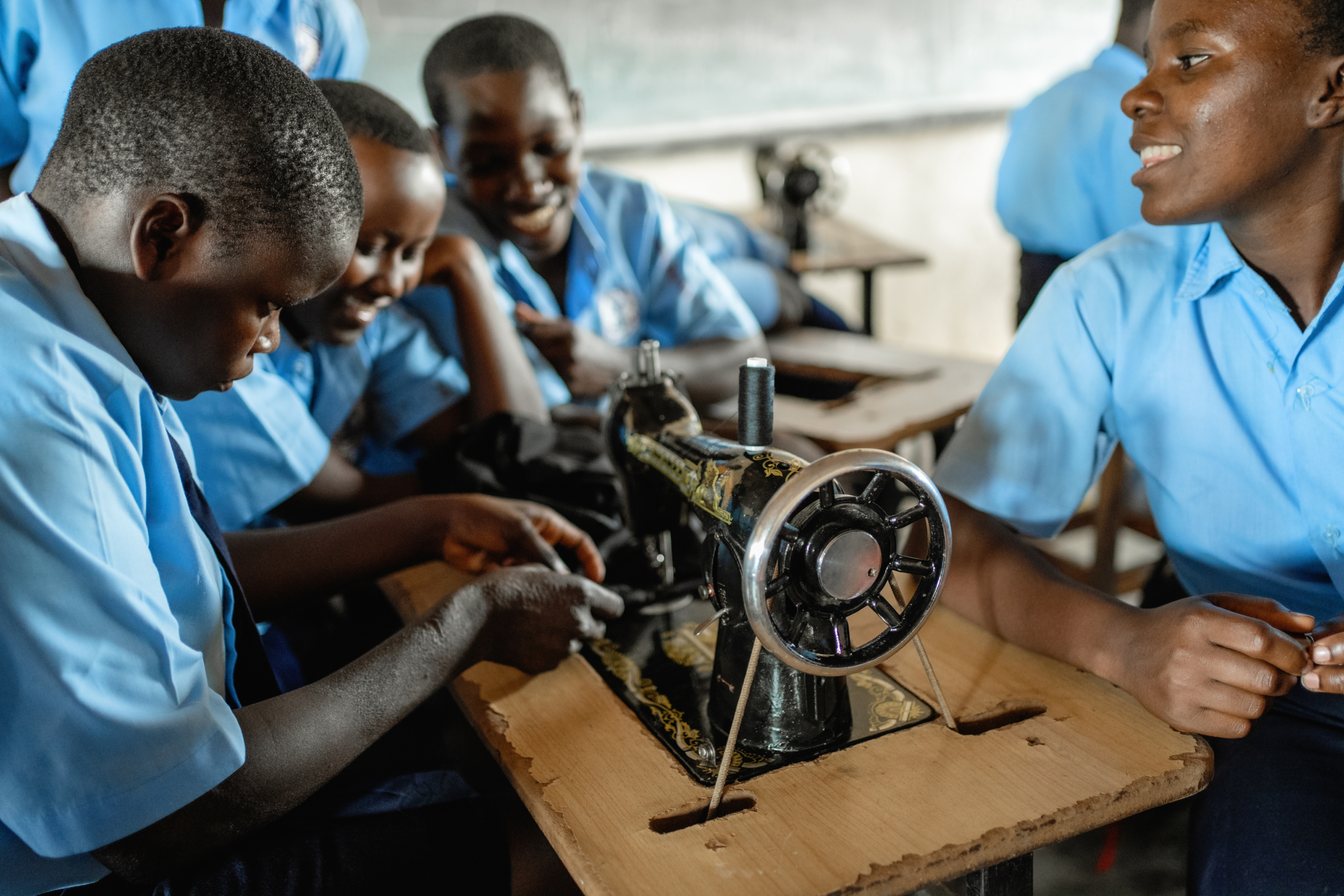
Our God’s Hope School also offers valuable vocational training in tailoring, hairdressing, welding, brick and cement work, and mechanics. Your donations help us prepare high school students for stable, lucrative employment.

You can maximize your impact with recurring donations to Simone’s Kids by joining The Village. The Village is a passionate group of donors committed to bettering the lives of children in Uganda by making monthly donations that help to provide better meals, more teachers, more activities, and even post-graduation services. Give today!
January 9, 2024/0 Comments
https://www.simoneskids.org/wp-content/uploads/2024/01/DSC01446-scaled.jpg 1707 2560 Ellie Wooldridge https://www.simoneskids.org/wp-content/uploads/2026/01/Simones-Kids-Logo.png Ellie Wooldridge2024-01-09 22:01:292024-01-09 22:01:29Why Vocational Training Is a Valuable Supplement to Formal Education in Uganda

What Ugandan Teachers Need to Provide a High-Quality Education

News

In Uganda, the quest for high-quality education is a multifaceted challenge that hinges significantly on the support offered to teachers. As educators, teachers shape and nurture the minds of primary and secondary school students in crucial ways. Yet they can’t do this without support from schools, government administrators, and communities. Here are some of the main forms of teacher support needed to ensure bright futures for Ugandan students and for the nation as a whole.

Fair Compensation and Long-Term Contracts

Teacher pay is a significant factor in providing a quality education in any country. Competitive salaries not only attract and motivate the educators needed to fill Uganda’s staffing shortages, but help schools to retain high-caliber educators. Offering long-term contracts rather than the one-year contracts that are common in Uganda can also help to reduce turnover.

Professional Development Opportunities

Professional development for teachers is another cornerstone of teacher support. Continuous learning and skill enhancement enable teachers to stay updated on pedagogical advancements and tailor their teaching methods to the needs of their students. In Uganda, educational planning has been leveraged to better support educators who work with refugees, ensuring that they are equipped to handle diverse and challenging classroom settings. Some general key considerations for professional development (PD) include:


  • Investing in high-quality training for teachers
  • Institutionalizing national educator PD standards 
  • Prioritizing PD for teachers in low-income and crisis-affected areas
  • Fostering teacher collaboration opportunities
  • Building instructional leadership into all levels of education

Staff Management

Effective teacher management is also paramount to improving education. This encompasses the recruitment, deployment, and retention strategies that ensure the most competent teachers are in the classroom and are adequately supported throughout their careers. Attentive, thoughtful management will ensure that the educational workforce is robust and well-organized.

School Resources

Governments and communities must invest in schools to ensure that they have adequate teaching materials, space, a secure campus, and sanitary facilities. These are needed to create an environment where educators can focus on teaching safely and comfortably.

Housing

Teacher housing is a critical factor in ensuring that educators can focus on their teaching duties without the added stress of long commutes or inadequate living conditions. Currently, many teachers have to live apart from their families in order to work in remote locations, and many are forced to sleep in classrooms or other subpar environments. 

Support Ugandan Teachers (and Better Learning Outcomes) With Simone’s Kids

Simone’s Kids in Nakaseke, Uganda provides high-quality primary and secondary education and meets basic needs for children in order to help them break the cycle of poverty. Your donations help purchase school supplies, textbooks, basic medical care, and food for Ugandan students as well as housing for teachers. 

This Christmas our goal is to raise $500,000 to provide staff housing in Uganda. Our mission at Simone’s Kids is to provide our students with the best quality education, and our goal to build staff housing on our land only further supports this mission. Culturally in Uganda, housing is a part of teachers’ contracts. We currently rent various apartments throughout Nakaseke to provide housing for our teachers. We believe that better housing will attract advanced teachers with quality education to move their families to the remote village of Nakaseke. Furthermore, we want to honor our teachers by providing them with living quarters that make them feel comfortable and safe while they work hard to educate our students.

You can also maximize your impact with recurring donations to Simone’s Kids by joining The Village. The Village is a passionate group of donors committed to bettering the lives of children in Uganda by making monthly donations that help to provide better meals, more teachers, more activities, and even post-graduation services. Give today!
December 6, 2023/0 Comments
https://www.simoneskids.org/wp-content/uploads/2023/12/IMG-20230814-WA0022.jpg 1024 683 Ellie Wooldridge https://www.simoneskids.org/wp-content/uploads/2026/01/Simones-Kids-Logo.png Ellie Wooldridge2023-12-06 17:12:162023-12-06 17:22:46What Ugandan Teachers Need to Provide a High-Quality Education

The Importance of Teacher Housing in Uganda

News

Uganda is currently facing a number of challenges with regard to its primary and secondary education systems that make it difficult for students to receive a basic education. One of these is the logistical problem for teachers in making the commute to class, particularly in rural areas. Here’s why providing teacher housing programs at remote Ugandan schools can help to improve the quality of learning for students — and how you can help.

The Problem

In many rural areas, such as the Nakaseke district, teachers are obligated to leave their families in order to work because schools are so far away. In addition, teachers are often forced to live in the very classrooms where they teach or in makeshift accommodations that lack basic amenities. This not only affects their morale as professionals and dignity as human beings, but also hampers their ability to prepare for classes and provide a stable learning environment for their students. 

This presents two problems for education in Uganda: a lower immediate quality of education for students, and greater difficulty for rural schools in attracting and retaining qualified teachers.

The Solution

Because of this, the former Speaker of the Ugandan Parliament, Rebecca Kadaga, has advocated for the creation of teacher housing, emphasizing its role in ensuring that educators can live with dignity and perform their duties effectively. Having adequate living spaces creates an environment where educators can dedicate themselves to their vocation without the added stress of securing safe and comfortable living conditions. 

Teachers who are provided with proper housing are also more likely to stay in their positions, reducing turnover and creating a more stable educational environment for students.

To this end, the Ugandan government is taking steps to construct teacher housing for some schools, but more needs to be done to ensure that all schools in all parts of Uganda can hire and keep high-quality teachers.

How You Can Help

Anyone can help to ensure adequate housing for Uganda’s teachers — and better educational outcomes for Ugandan students — by supporting nonprofit organizations that work to improve learning opportunities for children.

Support Teacher Housing (and Better Learning) With Simone’s Kids

Simone’s Kids in Nakaseke, Uganda provides high-quality primary and secondary education and meets basic needs for children in order to help them break the cycle of poverty. Your donations help purchase school supplies, textbooks, basic medical care, and food for Ugandan students as well as housing for teachers. 

This Christmas our goal is to raise $500,000 to provide staff housing in Uganda. Our mission at Simone’s Kids is to provide our students with the best quality education, and our goal to build staff housing on our land only further supports this mission. Culturally in Uganda, housing is a part of teachers’ contracts. We currently rent various apartments throughout Nakaseke to provide housing for our teachers. We believe that better housing will attract advanced teachers with quality education to move their families to the remote village of Nakaseke. Furthermore, we want to honor our teachers by providing them with living quarters that make them feel comfortable and safe while they work hard to educate our students.

You can also maximize your impact with recurring donations to Simone’s Kids by joining The Village. The Village is a passionate group of donors committed to bettering the lives of children in Uganda by making monthly donations that help to provide better meals, more teachers, more activities, and even post-graduation services. Give today!

December 6, 2023/0 Comments
https://www.simoneskids.org/wp-content/uploads/2023/12/IMG-20230814-WA0020.jpg 683 1024 Ellie Wooldridge https://www.simoneskids.org/wp-content/uploads/2026/01/Simones-Kids-Logo.png Ellie Wooldridge2023-12-06 17:05:512023-12-06 17:05:51The Importance of Teacher Housing in Uganda

The Sunlit Path to Uganda’s Energy Future

News

Uganda is rich in natural resources — including sunlight — but faces significant challenges in public health, infrastructure, and economic development. In recent years, Uganda has been making strides in harnessing solar energy, which has the potential to not only address its electricity needs, but create a healthier and more prosperous future for the nation as a whole. Here’s what you need to know about the transformative power of the sun in Uganda and the simple way you can help Ugandans kickstart a brighter tomorrow.

Uganda’s Current Energy Situation

Currently, only about 28% of the population has access to electricity. The vast majority of Ugandan energy is supplied by biomass fuels (charcoal, wood, and organic waste), fossil fuels, and hydropower sources, which are subject to unpredictable water levels. Widely accessible electricity is essential for any nation’s development, and biomass and fossil fuel use create serious health hazards to people and the environment alike, particularly when used indoors for household tasks, as they often are in Uganda. 

On the other hand, Uganda receives an average of 5.2 kWh per square meter per day of solar insolation (a unit of solar energy measurement), coupled with an average of about 8 hours of daily sunshine throughout the year. This is an astounding amount of free, reliable, and clean energy, just waiting to be captured and capitalized on.

The Far-Reaching Benefits of Solar Power

Here are just some of the major solar power benefits Uganda can enjoy with strategic investments in clean energy.

Energy Access

Solar energy can be used in remote areas where grid electricity is unavailable. Off-grid solar solutions offer immediate access to affordable, clean, and reliable electricity — even in rural areas, where about 80% of all Ugandans live.

Health and Environment

Solar energy provides a cleaner, safer alternative that reduces indoor air pollution and health issues associated with domestic biomass and fossil fuel use. It also reduces more broadly occurring smog and can significantly reduce global warming. Solar power can also be used to make agricultural processes more efficient and less destructive of natural resources and wildlife habitats.

Economic

Solar power is not just an eco-friendly energy alternative; it’s an economic game-changer. When harnessed and stored efficiently, it can reduce the cost of electricity, making power more accessible to low-income households and businesses. Pay-as-you-go models have made solar systems more affordable, allowing customers to make small payments until they own their own system. 

On a wider scale, solar energy can stimulate job creation in the manufacturing, installation, and maintenance sectors, supercharging Uganda’s economy. Job seekers with training in STEM subjects (science, technology, engineering, and math) stand to gain fulfilling and lucrative careers that can lift themselves and their families out of poverty. In addition, making low-cost clean energy widely available allows key systems like schools, offices, medical facilities, and more to operate more efficiently, reliably, and profitably. 

The Role of STEM Education in Uganda’s Future

In considering the future of solar and other forms of clean energy in Uganda, the importance of science, technology, engineering, and math (STEM) education cannot be overstated. Educating young Ugandans in these fields is crucial for the continued growth and innovation in clean energy solutions.

Support STEM Education With Simone’s Kids

Simone’s Kids in Nakaseke, Uganda, provides high-quality primary and secondary education and meets basic needs for children in order to help them break the cycle of poverty. Besides learning, these include access to clean water, safety measures, school sports, and an on-site medical clinic. 

Your donations help pay for monthly tuition and purchase school supplies, textbooks, food, and other necessities for Ugandan students. You can donate money, stocks, and cryptocurrency, and you can see if your employer participates in a matching donation program that will double your gift.

You can maximize your impact with recurring donations to Simone’s Kids by joining The Village. The Village is a passionate group of donors committed to bettering the lives of children in Uganda by making monthly donations that help to provide better meals, more teachers, more activities, and even post-graduation services. You can even choose which level of education you’d most like to support (or support them all)! Give today!


November 9, 2023/0 Comments
https://www.simoneskids.org/wp-content/uploads/2023/08/IMG-20230814-WA0015.jpg 683 1024 Ellie Wooldridge https://www.simoneskids.org/wp-content/uploads/2026/01/Simones-Kids-Logo.png Ellie Wooldridge2023-11-09 16:53:532023-11-09 16:53:53The Sunlit Path to Uganda’s Energy Future

The Far-Reaching Benefits of Nutrition Education in Uganda

News

Nutrition education is a cornerstone for building a healthier future, particularly in countries like Uganda where the devastating effects of malnutrition are so prevalent. The impact of nutrition education extends beyond just physical well-being; it also contributes to social and economic development, and a brighter outlook for all Ugandans. Here’s why quality nutrition education can have a tremendous impact on Uganda’s future.

The Grim Reality of Malnutrition in Uganda

Malnutrition in Africa, including Uganda, is a crisis that threatens to destroy an entire generation of children. More than one-third of all young children in the country have stunted growth, and the resulting damage is irreversible. Anemia is rampant among children under five and women of child-bearing age, as is death associated with undernutrition. Malnutrition also causes considerable strain on medical systems and the economy, costing Uganda an equivalent of 5.6% of its GDP annually.

The Promise of Nutrition Education

Here’s how improved nutrition education in schools and communities can help Uganda thrive.

Public Health

Nutrition education can serve as an effective tool in demonstrating the power of food as medicine. By educating communities about the importance of a balanced diet and which foods to consume, malnutrition-related disease rates can be significantly reduced. This, in turn, would lessen the burden on healthcare systems, freeing up resources for other pressing health issues.

Community Empowerment

Understanding what foods best support human health can also help farmers and communities plan crops and shared gardens to improve local produce supplies. Schools can grow these as well, using communal gardens to help nourish students and teach them about the interconnectedness of agriculture and nutrition.

Maternal and Infant Health

Educating mothers (and young girls who may become mothers) about good nutrition can have a profound impact on the health of infants. Proper nutrition during pregnancy can prevent low birth weight, which is a significant factor contributing to child malnutrition. There has already been some success in this regard in Northern Uganda, where education has led to a decrease in the number of children needing supplementary feeding programs.

Educational Outcomes

Well-nourished children are more likely to attend school and excel in their studies. Nutrition education can lead to better health outcomes, higher performance on tests, and improved grades, thereby increasing the likelihood of children completing primary and secondary education.

Economic Productivity

The benefits of nutrition education also extend to the economic realm. A healthier workforce is more productive and less likely to miss work due to illness. By breaking the cycle of malnutrition and poor health, families can escape the trap of poverty, contributing to economic development.

Support Nutrition Education With Simone’s Kids

Simone’s Kids in Nakaseke, Uganda, provides high-quality primary and secondary education and meets basic needs for children in order to help them break the cycle of poverty. Besides academic learning, these include access to healthy foods, clean water, safety measures, school sports, and an on-site medical clinic. 

Your donations help pay for monthly tuition and purchase school supplies, textbooks, and other necessities for Ugandan students. You can donate money, stocks, and cryptocurrency, and you can see if your employer participates in a matching donation program that will double your gift.

You can maximize your impact with recurring donations to Simone’s Kids by joining The Village. The Village is a passionate group of donors committed to bettering the lives of children in Uganda by making monthly donations that help to provide better meals, more teachers, more activities, and even post-graduation services. You can even choose which level of education you’d most like to support (or support them all)! Give today!


November 9, 2023/0 Comments
https://www.simoneskids.org/wp-content/uploads/2022/01/78182266_10157811860544444_8086121399032217600_n.jpg 1080 1080 Ellie Wooldridge https://www.simoneskids.org/wp-content/uploads/2026/01/Simones-Kids-Logo.png Ellie Wooldridge2023-11-09 16:43:212023-11-09 16:43:21The Far-Reaching Benefits of Nutrition Education in Uganda

Attending Grade School: Enriching Lives Beyond the Classroom

News
Kids playing volleyball

Grade school is so much more than a hub of traditional learning; it is a crucible where children’s personalities are molded, their horizons broadened, and essential life skills nurtured. While academic learning builds a solid foundation for future education, non-academic components such as sports, extracurricular activities, socializing, field trips, playtime, and life skills education play an equally vital role in enriching students and shaping well-rounded individuals. This is especially important for children from low-income families, communities, and countries. 

Here’s why — and how you can help.

Sports and Extracurricular Activities: Nurturing Team Spirit and Self-Discipline

Participation in sports and extracurricular activities fosters teamwork, perseverance, and responsibility. These activities teach children to work together and to appreciate the strengths and weaknesses of others as they learn about their own. They also model how to handle failure and success gracefully, lessons that serve children and adults well in building healthy personal and professional relationships.

Socializing: Building Empathy and Communication Skills

Socializing is not just about making friends; it’s crucial for developing emotional intelligence. By interacting with peers and teachers, children learn to express their feelings and thoughts and understand those of others. They develop empathy, leadership, and negotiation skills, strengthening their ability to navigate complex social situations throughout their lives. All of this happens organically in the school environment.

Field Trips: Bridging the Gap Between Theory and Real World

School field trips provide a tangible connection between classroom learning and the real world. Visiting places centered in nature, culture, or industry encourages curiosity, enhances understanding, and makes learning enjoyable. By witnessing concepts in action, students not only grasp them better, but also realize their practical applications, encouraging critical thinking and problem-solving. 

Playtime: Fostering Creativity and Stress Management

Often underestimated, playtime is integral to cognitive, emotional, and social development. Through play, children explore ideas, build creativity, and learn to manage stress. Playtime creates a break from structured learning, allowing children to discover interests and abilities and develop their unique identities.

Life Skills Education: Laying the Foundation for Personal Success

Grade schools are increasingly working to build a strong life skills curriculum in addition to an academic one. Teaching students non-academic concepts like effective time management, sound decision-making, good nutrition, and personal hygiene set them up for responsible and healthy living as they grow. Schools also instill values like honesty, integrity, and compassion, equipping each child to contribute positively to society.

Enrich the Lives of Ugandan Students With Simone’s Kids

Simone’s Kids in Nakaseke, Uganda provides high-quality primary and secondary education and meets basic needs for children in order to help them break the cycle of poverty. Your donations help purchase school supplies, textbooks, basic medical care, and food for Ugandan students as well as essential non-academic learning opportunities like after-school team activities and sports.

You can maximize your impact with recurring donations to Simone’s Kids by joining The Village. The Village is a passionate group of donors committed to bettering the lives of children in Uganda by making monthly donations that help to provide better meals, more teachers, more activities, and even post-graduation services. Give today!
October 4, 2023/0 Comments
https://www.simoneskids.org/wp-content/uploads/2026/01/Simones-Kids-Logo.png 0 0 Simone's Kids https://www.simoneskids.org/wp-content/uploads/2026/01/Simones-Kids-Logo.png Simone's Kids2023-10-04 18:56:352023-10-04 18:56:35Attending Grade School: Enriching Lives Beyond the Classroom

STEM Learning Prepares Ugandan Students for Careers in Floriculture

News

Floriculture is currently a fast-growing sector of agriculture in Uganda. The industry has experienced remarkable growth in recent years, presenting significant opportunities for high-quality careers. STEM education (learning in science, technology, engineering, and mathematics) is crucial for preparing Ugandan students for success in this field, particularly girls. By teaching STEM subjects and skills in schools, Uganda can meet the demands of the floriculture business, promote sustainable practices, and empower its youth. Here’s how. 

Building Skills for the Floriculture Industry

Facilitating strong, inclusive STEM learning gives students a good foundation for understanding agricultural and floricultural science:

  • Science-based knowledge. STEM education provides students with a solid background in scientific principles and concepts related to plant biology, genetics, and agricultural practices. These are crucial for maintaining high-quality production, ensuring plant health, and implementing effective pest and disease management strategies.
  • Technological proficiency. The floriculture industry increasingly relies on technology for precision farming, irrigation systems, climate control, and post-harvest management. STEM education equips students with digital literacy, technological skills, and the ability to adapt to emerging technologies, empowering them to excel in various technical aspects of the sector.
  • Engineering and innovation. Engineering skills acquired through STEM education enable students to design and develop innovative solutions for challenges in the floriculture industry. This includes creating efficient irrigation systems, developing sustainable packaging materials, and implementing energy-efficient production methods, ultimately contributing to the sector’s growth and competitiveness

Learning About Sustainable Practices

STEM education also teaches students to be good stewards of natural resources:

  • Environmental consciousness. STEM education encourages students to adopt eco-friendly practices. In the floriculture industry, this means using water responsibly, reducing chemical additives, and adopting sustainable pest management strategies. 
  • Research and development. STEM education nurtures students’ research and analytical skills, enabling them to contribute to innovative and sustainable practices in the floriculture sector. Students can explore ways to improve crop productivity, enhance post-harvest handling techniques, and develop new varieties that meet market demands.

Fostering Entrepreneurship and Economic Growth

Finally, STEM learning helps students qualify for college and high-quality jobs, lift themselves out of poverty, and boost the Ugandan economy as a whole:

  • Business acumen. STEM education cultivates critical thinking, problem-solving, and entrepreneurial skills among students, which are key for starting and managing their own floriculture enterprises or supporting existing businesses. Understanding market dynamics, supply chain management, and financial literacy empowers students to make informed business decisions.
  • Employment opportunities. Uganda’s flourishing floriculture industry offers a wide range of career opportunities. STEM education provides students with the specialized knowledge and skills required for these roles, increasing their employability and contributing to the socioeconomic development of Uganda.

Support STEM Education With Simone’s Kids

Simone’s Kids in Nakaseke, Uganda, provides high-quality primary and secondary education and meets basic needs for children in order to help them break the cycle of poverty. Besides learning, these include access to clean water, safety measures, school sports, and an on-site medical clinic. 

Your donations help pay for monthly tuition and purchase school supplies, textbooks, food, and other necessities for Ugandan students. You can donate money, stocks, and cryptocurrency, and you can see if your employer participates in a matching donation program that will double your gift.

You can maximize your impact with recurring donations to Simone’s Kids by joining The Village. The Village is a passionate group of donors committed to bettering the lives of children in Uganda by making monthly donations that help to provide better meals, more teachers, more activities, and even post-graduation services. You can even choose which level of education you’d most like to support (or support them all)! Give today!

August 4, 2023/0 Comments
https://www.simoneskids.org/wp-content/uploads/2023/08/DSC01403-scaled.jpg 1707 2560 Ellie Wooldridge https://www.simoneskids.org/wp-content/uploads/2026/01/Simones-Kids-Logo.png Ellie Wooldridge2023-08-04 17:12:162023-08-04 17:12:16STEM Learning Prepares Ugandan Students for Careers in Floriculture

Why Ugandan Girls Need Education To Become Leaders

News

Education is a powerful resource that not only lays the foundation for individual life success, but holds the key to transforming entire societies. This is especially vital in low-income nations with severe gender inequalities. Investing in the education of girls in Uganda, for example, is crucial for nurturing the future women leaders that the country needs. By empowering Ugandan girls through learning, we can address gender inequalities, break the cycle of poverty, and help to build a prosperous nation.

Why Uganda Needs More Women Leaders

There are many reasons that Uganda can benefit from more women political leaders and other authority figures:

  • Gender equality and inclusive governance. By increasing the representation of women in leadership positions, Uganda can adequately address the needs and perspectives of women in decision-making processes. Women leaders can advocate for policies that address critical social issues, such as gender-based violence, child marriage, and overall women’s health.
  • Breaking stereotypes that are harmful to all. Ugandan women leaders can challenge counterproductive societal norms and stereotypes that hinder the progress of girls and women. By becoming role models and defying limiting gender roles, women leaders can inspire other girls to dream big and pursue their ambitions.
  • A more robust economy. Women leaders in the workforce can create more equitable career opportunities for other women. Training and enabling women to qualify for high-quality jobs allows them to support themselves, their families, and their communities, reducing overall poverty.

How Staying in School Prepares Ugandan Girls for Leadership Roles

Here are some of the ways that even a grade school education of quality can prepare Ugandan girls for leadership roles:

  • Developing knowledge and skills. Education equips girls with the necessary knowledge, skills, and competencies to actively participate in leadership roles. Through academic subjects and extracurricular activities, girls learn critical thinking, problem-solving, communication, and teamwork skills, which are essential for effective leadership.
  • Boosting self-confidence and empowerment. Education plays a vital role in building girls’ self-confidence and empowering them to pursue their aspirations. By engaging in classroom discussions, participating in school sports, and showing leadership in school clubs, girls develop the confidence to express their opinions and take on powerful roles as adults.
  • Fostering critical thinking. Education encourages girls to think critically, analyze complex issues, and make informed decisions. These skills are essential for effective leadership, as leaders must navigate challenges, weigh options, and make decisions that benefit their communities.
  • Preventing serious gender-related harms. Staying in school provides a safe and supportive environment for girls, protecting them from child trafficking, assault, early marriages, teenage pregnancies, and more. Education protects girls’ wellbeing and teaches them to assert their rights, challenge discriminatory practices, and overcome social barriers that limit their opportunities.

Support Girls’ Education With Simone’s Kids

Join us this month with our “Not” Back 2 School campaign! The goal during the month of August is to increase our monthly income by $3,000 + raise $30,000 in one-time donations. With increased monthly donations, we can hire teachers that specialize in trauma care, a specialized counselor, and a special education teacher. Most importantly, we can improve our students’ quality of care through better food, textbooks, workbooks, and other classroom needs. Will you join with us?

Simone’s Kids in Nakaseke, Uganda, provides high-quality primary and secondary education and meets basic needs for children in order to help them break the cycle of poverty. Besides learning, these include access to clean water, safety measures, school sports, and an on-site medical clinic. 

Your donations help pay for monthly tuition and purchase school supplies, textbooks, food, and other necessities for Ugandan students. You can donate money, stocks, and cryptocurrency, and you can see if your employer participates in a matching donation program that will double your gift.

August 4, 2023/0 Comments
https://www.simoneskids.org/wp-content/uploads/2023/08/DSC04633.jpg 0 0 Ellie Wooldridge https://www.simoneskids.org/wp-content/uploads/2026/01/Simones-Kids-Logo.png Ellie Wooldridge2023-08-04 16:52:012023-08-04 17:01:40Why Ugandan Girls Need Education To Become Leaders

Why Grade School Scholarships Are Critical For Ugandan Students 

News

Low- and middle-income Americans are all too familiar with the need to mitigate the costs of higher education by winning scholarships. In low-income countries like Uganda, however, scholarship funding plays an even more critical role in shaping the future of young children and teens. 

That’s because quality grade schools in Uganda require tuition fees that many parents can’t afford, especially those with a large number of children. Girls who can’t attend school are often married off at a young age; girls and boys alike can be forced to work in low-paying and unsafe or unsustainable jobs to support their families. 

Scholarships provide these children the chance to obtain the basic primary and secondary  school education that can lead to a brighter future for themselves, their families, and the nation as a whole. Here’s what a children’s scholarship fund can accomplish for Uganda’s students—and how you can help.

Breaking the Cycle of Poverty in Families and Communities

Each scholarship fund offers children from economically disadvantaged families and regions to get a grade school education. This helps them to build marketable skills and qualify for higher-quality jobs or college enrollment, which ultimately enables them to earn incomes that provide for themselves and their families. The more young people can earn, innovate, and spend in their communities, the stronger those communities can become. 

Fostering Human Capital Development

Investing in the education of children through scholarships nurtures human capital, which is crucial for the long-term development of any nation. By supporting access to education, scholarships enable children to develop essential skills, talents, and abilities. This, in turn, cultivates a skilled workforce, enhances productivity, and fuels economic growth. Moreover, educated individuals are more likely to contribute positively to society, engage in civic participation, and drive innovation. 

Building Healthier and More Sustainable Communities

Scholarship funds and programs have the potential to not only improve the financial outlook of families, communities, and the nation, but to vastly improve their health and quality of life as well. Education helps people to better understand good nutrition and hygiene and how to prevent the spread of disease, particularly through practices like securing clean water sources and using protective gear, like impermeable footwear and mosquito nets. It also gives people the knowledge they need to develop sustainable agriculture and safe, clean energy sources.

Improving Women’s Lives

Scholarship funding also plays a pivotal role in addressing gender disparities in education, such as prioritizing boys’ education over girls’. In Uganda, girls are often excluded from education and married off prematurely due to financial straits. This forces many to become exclusively mothers and caregivers rather than having a career; it also makes them financially dependent on their husbands. Providing financial support to educate girls gives them more choices in life, and it empowers them to make more informed decisions for themselves and their families.

Strengthening the Education System

Scholarship programs contribute to the overall improvement of the education system in low-income countries. By supporting students’ access to quality education, scholarships offer resources and motivation for educational institutions to enhance their infrastructure, teaching resources, and curriculum. Ultimately, this benefits not only scholarship recipients, but the entire student body, helping to ensure higher standards of education for future generations.

Support Scholarship Funds for Ugandan Students With Simone’s Kids

Simone’s Kids in Nakaseke, Uganda, provides high-quality primary and secondary education and meets basic needs—including access to clean water, safety measures, and an on-site medical clinic—for children in order to help them break the cycle of poverty. Your donations help pay for monthly tuition and purchase school supplies, textbooks, food, and other necessities for Ugandan students. You can donate money, stocks, and cryptocurrency, and you can see if your employer participates in a matching donation program that will double your gift.

You can maximize your impact with recurring donations to Simone’s Kids by joining The Village. The Village is a passionate group of donors committed to bettering the lives of children in Uganda by making monthly donations that help to provide better meals, more teachers, more activities, and even post-graduation services. You can even choose which level of education you’d most like to support (or support them all)! Give today!


July 12, 2023/0 Comments
https://www.simoneskids.org/wp-content/uploads/2023/01/sk_2019-179.jpg 0 0 Ellie Wooldridge https://www.simoneskids.org/wp-content/uploads/2026/01/Simones-Kids-Logo.png Ellie Wooldridge2023-07-12 16:50:012023-07-12 16:50:41Why Grade School Scholarships Are Critical For Ugandan Students 

The Costs of Grade School in Uganda

News

Many people in wealthy nations like the US associate school tuition with either college or exclusive private K-12 schools. In Uganda, however, tuition and fees are required to enroll in  virtually all public and private grade schools. In addition, all schools require students to wear uniforms. The cost of these, combined with other school fees and supplies expenses, can make education unaffordable. School costs vary considerably by type and grade level range, but all have the potential to keep students from receiving a basic education for financial reasons. 

Here’s what you need to know about the cost of education in Uganda—and how you can help to make education more affordable for students from low-income families and communities.

Government Primary and Secondary Day Schools

Since the late 1990s, the Ugandan government has instituted ostensibly tuition-free primary schools (called Universal Primary Education, or UPE) and secondary day schools. However, these “government schools” often don’t receive adequate government funding, and so transfer unmet operational costs to Ugandan families. Secondary school is more expensive than primary school, as more supplies and more expensive kinds of supplies are needed. As of 2023, it cost the equivalent of $168 USD per year to send a child to a government school. 

Private Day Schools

In addition, government schools aren’t available in all regions, and when they are, the quality of education they offer is often much lower than private schools. This leaves many families to pay extensive private school fees, which, all told, can be the equivalent of $420-$680 USD per child per year. This range is often unaffordable for low-income families. Nor are they a small minority, since as of 2023, about 42% of Ugandans lived below the poverty line, which is the equivalent of just $2.15 per day, or $785 per year.

Private Boarding Schools

Some Ugandan families choose to send their children to boarding schools, even at very young ages, because they offer multiple significant advantages:

  • Saves the time spent commuting to and from school
  • Prevents safety issues related to walking alone to and from school, particularly for girls
  • Offers more opportunities for uninterrupted learning
  • Gives students more exposure to the English language they are required to learn, given that many parents don’t speak it at home
  • Guarantees students three meals per day
  • Offers access to electricity that may not be available at home
  • Offers a home to children who many no longer have one due to military conflicts

However, all of these benefits come at a cost much greater than that for government or private day schools. After tuition, exam fees, and other miscellaneous required expenses, boarding school can cost the equivalent of several hundred to a thousand US dollars per student annually.

Remove Financial Barriers to Education With Simone’s Kids

Simone’s Kids in Nakaseke, Uganda, provides high-quality primary and secondary education and meets basic needs—including access to clean water, safety measures, and an on-site medical clinic—for children in order to help them break the cycle of poverty. Your donations help pay for monthly tuition and purchase school supplies, textbooks, food, and other necessities for Ugandan students. You can donate money, stocks, and cryptocurrency, and you can see if your employer participates in a matching donation program that will double your gift.

You can maximize your impact with recurring donations to Simone’s Kids by joining The Village. The Village is a passionate group of donors committed to bettering the lives of children in Uganda by making monthly donations that help to provide better meals, more teachers, more activities, and even post-graduation services. You can even choose which level of education you’d most like to support (or support them all)! Give today!


July 11, 2023/0 Comments
https://www.simoneskids.org/wp-content/uploads/2023/07/DSC04726-1-scaled.jpg 1707 2560 Ellie Wooldridge https://www.simoneskids.org/wp-content/uploads/2026/01/Simones-Kids-Logo.png Ellie Wooldridge2023-07-11 15:44:362023-07-11 15:44:36The Costs of Grade School in Uganda

Non-Financial Barriers to Education in Uganda

News

Students in Uganda face an array of serious obstacles to completing even their primary and secondary school education. Many of these have to do with poverty and anemic school funding, but there are other types of challenges as well. Here are some of the practical educational barriers these students face—and how you can help.

Gender Barriers

Girls face a host of disadvantages when it comes to getting even a basic education, including:

  • Prioritizing boys’ education. Given the high costs of education and perceptions of gender roles in Uganda, families often choose to send their sons to school rather than their daughters.
  • Inadequate facilities and supplies. Many schools don’t have modern restrooms to offer girls privacy. In addition, many families can’t afford sanitary products, causing teen girls to miss school several days per month.
  • Childcare obligations. Many girls are forced to drop out of school in order to care for their siblings and do domestic chores.
  • Premature marriage and childcare. Early teen and child marriage in Africa occur at high rates due to poverty and cultural factors. Girls are often married off prematurely to relieve their families of the financial burden of supporting them, and many subsequently have children to care for. Teen pregnancy out of wedlock and subsequent childcare responsibilities are common in Uganda as well.

The Need To Work

Children of both genders are often forced to forgo school so that they can work and provide income for their families. The irony is that these jobs are often low-paying with little security, and missing out on an education excludes kids and teens from eventually attaining the very high-quality jobs that could lift them and their families out of poverty.

Long Distances to Schools and Clean Water Sources

Teachers and students in rural areas often have to walk long distances to reach the nearest school or water source. For both, this takes valuable time away from teaching and learning. For students in particular, long commutes also heighten their risk of being kidnapped en route and trafficked. When clean drinking water is also located far from schools, students who make the trek to fetch it during the school day miss valuable class time.

Teaching and Learning Challenges

Schools, teachers, and students all face a number of challenges that hinder student learning:

  • Student absenteeism (due to health, logistical, or gender-related reasons)
  • Teacher absenteeism (due to inadequate staff management, pay, or accommodations)
  • Large class sizes and poor grade level structuring (students of many ages and learning levels are often lumped into the same classes)
  • Inadequate learning materials (due to poor public school funding)

Remove Barriers to Education With Simone’s Kids

Simone’s Kids in Nakaseke, Uganda provides high-quality primary and secondary education and meets basic needs—including access to clean water, safety measures, and an on-site medical clinic—for children in order to help them break the cycle of poverty. Your donations help pay for monthly tuition and purchase school supplies, textbooks, food, and other necessities for Ugandan students. You can donate money, stocks, and cryptocurrency, and you can see if your employer participates in a matching donation program that will double your gift.

You can maximize your impact with recurring donations to Simone’s Kids by joining The Village. The Village is a passionate group of donors committed to bettering the lives of children in Uganda by making monthly donations that help to provide better meals, more teachers, more activities, and even post-graduation services. You can even choose which level of education you’d most like to support (or support them all)! Give today!

June 13, 2023/0 Comments
https://www.simoneskids.org/wp-content/uploads/2023/06/baby-class.2.jpg 683 1024 Ellie Wooldridge https://www.simoneskids.org/wp-content/uploads/2026/01/Simones-Kids-Logo.png Ellie Wooldridge2023-06-13 13:28:402023-06-13 13:28:40Non-Financial Barriers to Education in Uganda

Financial Barriers to Education In Uganda

News

Education is a fundamental human right that should be accessible to all children and teens. However, even grade school education in Africa often comes with significant financial barriers that prevent many children from getting a basic education. This is a particularly serious problem in sub-Saharan countries like Uganda. Here are some of the financial obstacles to education that Ugandan children face.

Insufficient Funding for Public Schools

Arguably the greatest educational barrier in Uganda is insufficient funding for public schools. 

In 2019, the government allocated just 10% of its national budget to education, far below the recommended 20%. This meager funding has resulted in a shortage of textbooks, inadequate facilities, and insufficient teachers, making it difficult for children to receive a quality education. In 2015, less than half of students were literate by the end of primary school. Since then, pandemic lockdowns added to budget cuts have led to even worse learning outcomes. 

The High Cost of Education

Another difficulty is the high cost of education for families. First, even public education in Uganda is not entirely free: parents are required to pay for school fees, textbooks, uniforms, and other school supplies. Many parents in Uganda are unable to afford these costs, especially those living in poverty-stricken areas. Private schools come with the same costs plus tuition, which is prohibitively expensive for many. As a result, many children are forced to drop out of school.

The Hidden Costs of Education

In addition to the high cost of education, there are hidden costs that many Ugandan parents are not aware of. These include transportation costs, examination fees, and other miscellaneous fees. For instance, parents may be required to pay for their children to take national exams, which can be costly for families with multiple children in school. These incidental costs make education unattainable for many families.

Lack of Scholarships and Financial Aid

Another financial barrier to education in Uganda is the lack of widely available scholarships and financial aid. While there are some of these opportunities available in Uganda, they are often limited and highly competitive. This means that only a small percentage of students are able to get financial support for their education. 

Additionally, many scholarships and forms of financial aid are only available to students who perform exceptionally well academically. This further limits access for students who have the  potential to succeed professionally, but are struggling academically, and for students who would perform well academically if they enjoyed a higher quality of education.

Remove Financial Barriers to Education With Simone’s Kids

Simone’s Kids in Nakaseke, Uganda provides high-quality primary and secondary education and meets basic needs—including access to clean water, safety measures, and an on-site medical clinic—for children in order to help them break the cycle of poverty. Your donations help pay for monthly tuition and purchase school supplies, textbooks, food, and other necessities for Ugandan students. You can donate money, stocks, and cryptocurrency, and you can see if your employer participates in a matching donation program that will double your gift.

You can maximize your impact with recurring donations to Simone’s Kids by joining The Village. The Village is a passionate group of donors committed to bettering the lives of children in Uganda by making monthly donations that help to provide better meals, more teachers, more activities, and even post-graduation services. You can even choose which level of education you’d most like to support (or support them all)! Give today!


June 13, 2023/0 Comments
https://www.simoneskids.org/wp-content/uploads/2023/06/baby-class.6.jpg 683 1024 Ellie Wooldridge https://www.simoneskids.org/wp-content/uploads/2026/01/Simones-Kids-Logo.png Ellie Wooldridge2023-06-13 13:26:372023-06-13 13:26:37Financial Barriers to Education In Uganda

The Mental Health Benefits of Extracurricular Sports For Kids

News
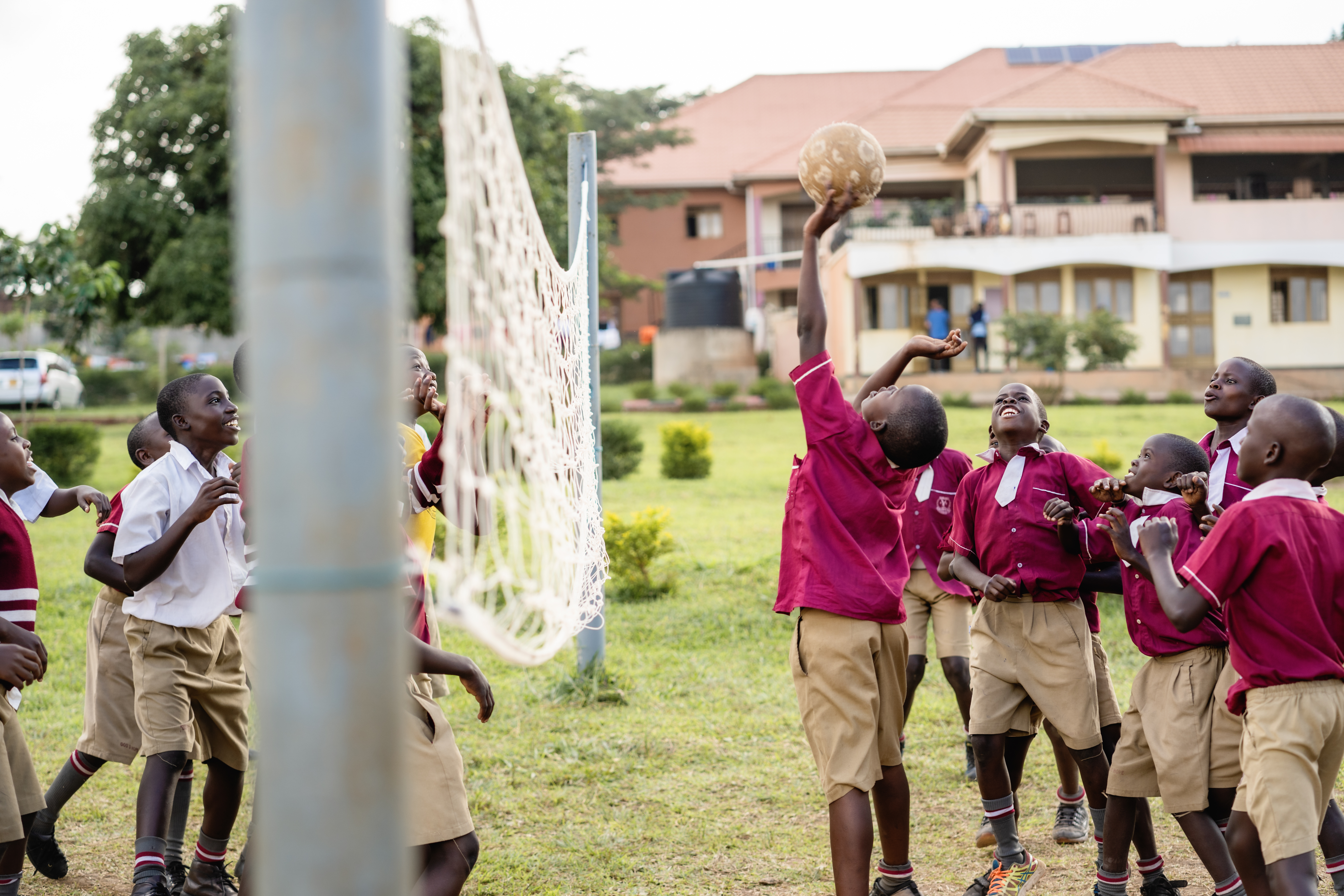
Kids playing volleyball

For many parents, it’s easy to see the physical benefits that children can gain from playing sports. Yet athleticism also supports children’s mental health and cognitive development in surprisingly impactful ways. Here are just a few of the psychological benefits of sports for kids:\

  • Socializing. Interacting with peers toward a common goal helps to foster positive psychological development with regard to teamwork, communication, making new friends, and gaining a sense of belonging. All of these are beneficial for any child, but can be especially helpful for kids who have difficulty socializing at school.
  • Better emotional health. Physical activity can increase the body’s production of feel-good chemicals dopamine and serotonin, which can help to improve mood. Regular exercise also helps to combat anxiety and depression. These mental health benefits of exercise are good for the development of all children, but can be a real lifeline for kids and teens coping with trauma and difficult times.
  • Learning time management skills. Being a sports team member involves showing up on time for practice sessions, games, and team celebrations. This helps to teach young people personal responsibility and accountability, both of which are key traits for academic, personal, and professional success.
  • Exploring identity and building self-esteem. Participating in sports encourages children to explore their interests, abilities, and potential, and to learn who they are as individuals. As kids and teens improve their athletic, social, and time-management skills, they also build greater self-esteem.
  • Improving academic retention and performance. Research shows that playing sports helps children build cognitive skills and improve academic performance. This includes better concentration, attitudes, and behavior in school. Child athletes are also more likely than non-athletes to attend college, earn degrees, and enjoy career success.

Children who grow up in low-income communities and nations are at risk of missing out on the benefits of playing sports. You can give the potentially life-changing gift of athletic opportunities to children in developing countries like Uganda by donating to nonprofit organizations that promote the health and education of young Ugandans.

Give Ugandan Students the Gift of Sports With Simone’s Kids

Simone’s Kids in Nakaseke, Uganda provides high-quality primary and secondary education and meets basic needs for children in order to help them break the cycle of poverty. Your donations help purchase school supplies, textbooks, food, and other necessities for Ugandan students, as well as equipment for after-school team activities and sports like soccer.

You can maximize your impact with recurring donations to Simone’s Kids by joining The Village. The Village is a passionate group of donors committed to bettering the lives of children in Uganda by making monthly donations that help to provide better meals, more teachers, more activities, and even post-graduation services. Give today!
May 16, 2023/0 Comments
https://www.simoneskids.org/wp-content/uploads/2023/05/DSC02240.jpg 0 0 Ellie Wooldridge https://www.simoneskids.org/wp-content/uploads/2026/01/Simones-Kids-Logo.png Ellie Wooldridge2023-05-16 20:21:172023-05-16 20:21:17The Mental Health Benefits of Extracurricular Sports For Kids
Page 3 of 8‹12345›»

Pages

  • 2023 Report
  • About Simone’s Kids
  • Address
  • Afterschool
  • Celebrate
  • Classroom for Christmas
  • Contact
  • Current Projects
  • Donate Stocks
  • Donation Details
  • Double the Donation
  • Event Sponsorship
  • General Contact form
  • Highschool
  • Home
  • Home for the Holidays 24
  • Job Opportunities
  • Links
  • Lunchline
  • News
  • Not Back to School Campaign
  • Not Back to School Resources
  • Primary School
  • Privacy Policy
  • Programs
  • quiz
  • Sponsor A Child with Simone’s Kids
  • Terms & Conditions
  • Thank You
  • Trips
  • Village
  • Village Lunch RSVP
  • Vocational School
  • Vocational School
  • World Malaria Day
  • World Malaria Day

Categories

  • News

Archive

  • June 2025
  • May 2025
  • April 2025
  • March 2025
  • February 2025
  • January 2025
  • November 2024
  • October 2024
  • September 2024
  • August 2024
  • July 2024
  • June 2024
  • May 2024
  • April 2024
  • March 2024
  • February 2024
  • January 2024
  • December 2023
  • November 2023
  • October 2023
  • August 2023
  • July 2023
  • June 2023
  • May 2023
  • April 2023
  • March 2023
  • February 2023
  • January 2023
  • December 2022
  • November 2022
  • October 2022
  • September 2022
  • August 2022
  • July 2022
  • May 2022
  • April 2022
  • March 2022
  • February 2022
  • January 2022
  • December 2021
  • November 2021
  • August 2021
  • February 2021
  • January 2021
  • July 2020
  • May 2020
  • March 2020
  • May 2019
  • February 2019
  • December 2018
  • November 2018
  • August 2018
  • June 2018
  • May 2018
  • March 2018
  • January 2018
  • November 2017
  • August 2017
  • July 2017
  • June 2017
  • May 2017
  • April 2017
  • January 2017
  • June 2016
  • October 2015
  • September 2015

Get to know us

  • About Us
  • Our Team
  • Finances
  • Youtube

Connect

  • Contact us
  • Donate
  • Blog
  • Job Opportunities

Get Involved

    • Join the Village
    • Sponsor a Child
    • Travel to Uganda
    • Shop Our Store

Registered 501(c)(3). EIN: 27-2202937

© Copyright - Simone's Kids 2026 | 200 West Main Street, Cartersville GA 30120
  • Link to Facebook
  • Link to Youtube
  • Link to Instagram
  • Donation Details
  • Privacy Policy
  • Terms & Conditions
Scroll to top Scroll to top Scroll to top

This site uses cookies. By continuing to browse the site, you are agreeing to our use of cookies.

Accept settingsHide notification onlySettings

Cookie and Privacy Settings


How we use cookies

We may request cookies to be set on your device. We use cookies to let us know when you visit our websites, how you interact with us, to enrich your user experience, and to customize your relationship with our website.

Click on the different category headings to find out more. You can also change some of your preferences. Note that blocking some types of cookies may impact your experience on our websites and the services we are able to offer.

Essential Website Cookies

These cookies are strictly necessary to provide you with services available through our website and to use some of its features.

Because these cookies are strictly necessary to deliver the website, refusing them will have impact how our site functions. You always can block or delete cookies by changing your browser settings and force blocking all cookies on this website. But this will always prompt you to accept/refuse cookies when revisiting our site.

We fully respect if you want to refuse cookies but to avoid asking you again and again kindly allow us to store a cookie for that. You are free to opt out any time or opt in for other cookies to get a better experience. If you refuse cookies we will remove all set cookies in our domain.

We provide you with a list of stored cookies on your computer in our domain so you can check what we stored. Due to security reasons we are not able to show or modify cookies from other domains. You can check these in your browser security settings.

Other external services

We also use different external services like Google Webfonts, Google Maps, and external Video providers. Since these providers may collect personal data like your IP address we allow you to block them here. Please be aware that this might heavily reduce the functionality and appearance of our site. Changes will take effect once you reload the page.

Google Webfont Settings:

Google Map Settings:

Google reCaptcha Settings:

Vimeo and Youtube video embeds:

Privacy Policy

You can read about our cookies and privacy settings in detail on our Privacy Policy Page.

Privacy Policy
Accept settingsHide notification only