Simone
  • About Us
    • News
    • Donation Details
  • Programs
    • Primary School
    • Highschool
    • Vocational School
  • Ways to Give
    • Sponsor A Child with Simone’s Kids
    • Village (Monthly Giving)
    • Specific Projects
    • Stocks & More
  • Contact
  • Get Involved
    • Trips
  • DONATE
  • FUNDRAISE
  • Click to open the search input field Click to open the search input field Search
  • Menu Menu

The Physical Benefits of Extracurricular Sports for Kids

News

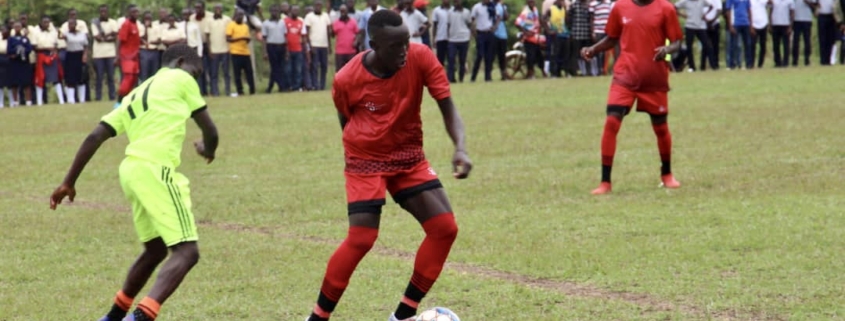
Many parents think of extracurricular activities like organized sports as a simple leisure (or even luxury) activity for their children. In reality, the benefits of sports for youth offer surprisingly varied and far-reaching physical health advantages. Participating in sports not only gets kids moving after sitting in class all day, but can set them up for success for the rest of their lives. Here are just a few examples of the physical benefits of playing sports for kids.

  • Improving physical health and fitness. Easily the clearest advantages to getting children and teens involved in sports are the benefits of exercise. Kids who get regular physical activity enjoy better cardiorespiratory and cardiovascular health, greater bone density, stronger muscles, and a healthier body mass. 
  • Reducing the risks of chronic health problems. Children who are physically active reduce their risk of becoming obese and developing heart disease, stroke, diabetes, and various cancers. As a result, they’re also more likely to enjoy low healthcare costs over the course of their lives.
  • Enjoying a healthier body image and greater self-esteem. Being physically fit can go a long way toward helping kids and teens view themselves as strong, capable individuals. As they get older, fitness can also help teens to feel more confident in both their abilities and their appearance.
  • Improving mind-body coordination. Regular exercise offers almost countless health benefits, but playing sports in particular develops additional abilities that are useful for everyday life and even for survival. For example, kids who play soccer can gain superior balance, aim, and agility, all of which are useful for managing their center of gravity and preventing serious falls and injuries.
  • Reducing the likelihood of risky behaviors. Teens who play team sports are less likely to engage in behaviors that can pose risks to their health and safety, such as smoking, using other drugs, or carrying weapons.

Although participation in extracurricular sports is quite common among middle- and upper-class youth in the US, children who grow up in low-income communities and nations are at risk of missing out on the benefits of playing sports. You can give the potentially life-changing gift of athletic opportunities to children in developing countries like Uganda by donating to nonprofit organizations whose missions support the health and education of young Ugandans.

Give Ugandan Students the Gift of Sports With Simone’s Kids

Simone’s Kids in Nakaseke, Uganda provides high-quality primary and secondary education and meets basic needs for children in order to help them break the cycle of poverty. Your donations help purchase school supplies, textbooks, food, and other necessities for Ugandan students, as well as equipment for after-school team activities and sports like soccer.

You can maximize your impact with recurring donations to Simone’s Kids by joining The Village. The Village is a passionate group of donors committed to bettering the lives of children in Uganda by making monthly donations that help to provide better meals, more teachers, more activities, and even post-graduation services. Give today!
 

May 16, 2023/0 Comments
https://www.simoneskids.org/wp-content/uploads/2023/05/d9549537-9007-4e83-ae44-18e2036d0d94.jpg 720 1080 Ellie Wooldridge https://www.simoneskids.org/wp-content/uploads/2026/01/Simones-Kids-Logo.png Ellie Wooldridge2023-05-16 19:41:342023-05-16 19:41:34The Physical Benefits of Extracurricular Sports for Kids

The Primary School System in Uganda

News

Americans are familiar with a grade school structure consisting of preschool or pre-K education, elementary school, middle or junior high school, and high school. Grade school systems elsewhere in the world may have a similar structure, but different terminology, attendance policies, and examination types. It’s worth understanding how basic education works in other countries, particularly in low-income countries, where grade school educational successes and failures are closely tied to those of the nation as a whole.

Here’s what you should know about the primary education system in Uganda.

What Is Primary School?

In Uganda and elsewhere—particularly in countries that have been colonized by the UK and inherited its systems—primary school is the rough equivalent to elementary school in the US. However, it works much differently. Uganda uses a “7-4-2” education system that has been in place since the early 1960s. In this system, primary school accounts for the “7” (lasts for 7 years). It consists of one lower and one upper level and culminates in the primary leaving examination (PLE). 

Lower Primary School

Ugandan children generally enter lower primary school at the age of 6. The lower primary system consists of grades P1-P3, plus a “transition” year (P4) that helps to prepare students for upper primary school. In 1997, the government introduced the Universal Primary Education (UPE) program, making public primary school attendance mandatory and free of tuition fees for up to 4 children per family. However, many students fare better at private schools, if their families can afford it.

Upper Primary School 

Upper primary school consists of grades 5-7 and is for students aged 11-13. Throughout their grade school education, Ugandan students are taught from a holistic curriculum. Some of the subjects they learn about include:

  • English
  • Integrated science
  • Local language/s
  • Mathematics
  • Religion (Christianity and Islam)
  • Social studies
  • Technology
  • Design
  • Performing arts

Primary Leaving Examinations

At the end of their upper primary school years, students are required to take a national exam called the Primary Leaving Examination. The PLE covers four subjects: English language, mathematics, science, and social studies. 

The scoring system for the exam works a bit like the one for the sport of golf, in which low numbers are desirable: the best possible score is a 4 and the worst is 36. Students who pass the PLE with scores of 4-12 receive a first or “division one” grade. Those who score between 13 and 23 receive a second grade; between 24 and 29, a third grade; and between 30-34, a fourth grade. Students must receive a maximum score of 34 points to pass the PLE and progress to secondary school.

Support Primary Education for Ugandan Children With Simone’s Kids

Simone’s Kids in Nakaseke, Uganda provides high-quality primary and secondary education and meets basic needs—including access to clean water, safety measures, and an on-site medical clinic—for children in order to help them break the cycle of poverty.  We currently have 360 students at our primary school. Your donations help purchase school supplies, textbooks, food, and other necessities for Ugandan students as well as help them to pass their PLEs. You can maximize your impact with recurring donations to Simone’s Kids by joining The Village. The Village is a passionate group of donors committed to bettering the lives of children in Uganda by making monthly donations that help to provide scholarships for our students along with better meals, more teachers, more activities, and even post-graduation services. Give today!

April 4, 2023/0 Comments
https://www.simoneskids.org/wp-content/uploads/2022/11/DSC01919.jpg 0 0 Ellie Wooldridge https://www.simoneskids.org/wp-content/uploads/2026/01/Simones-Kids-Logo.png Ellie Wooldridge2023-04-04 18:18:532023-04-04 18:25:38The Primary School System in Uganda

Key Traits of High-Quality Schools in Uganda

News

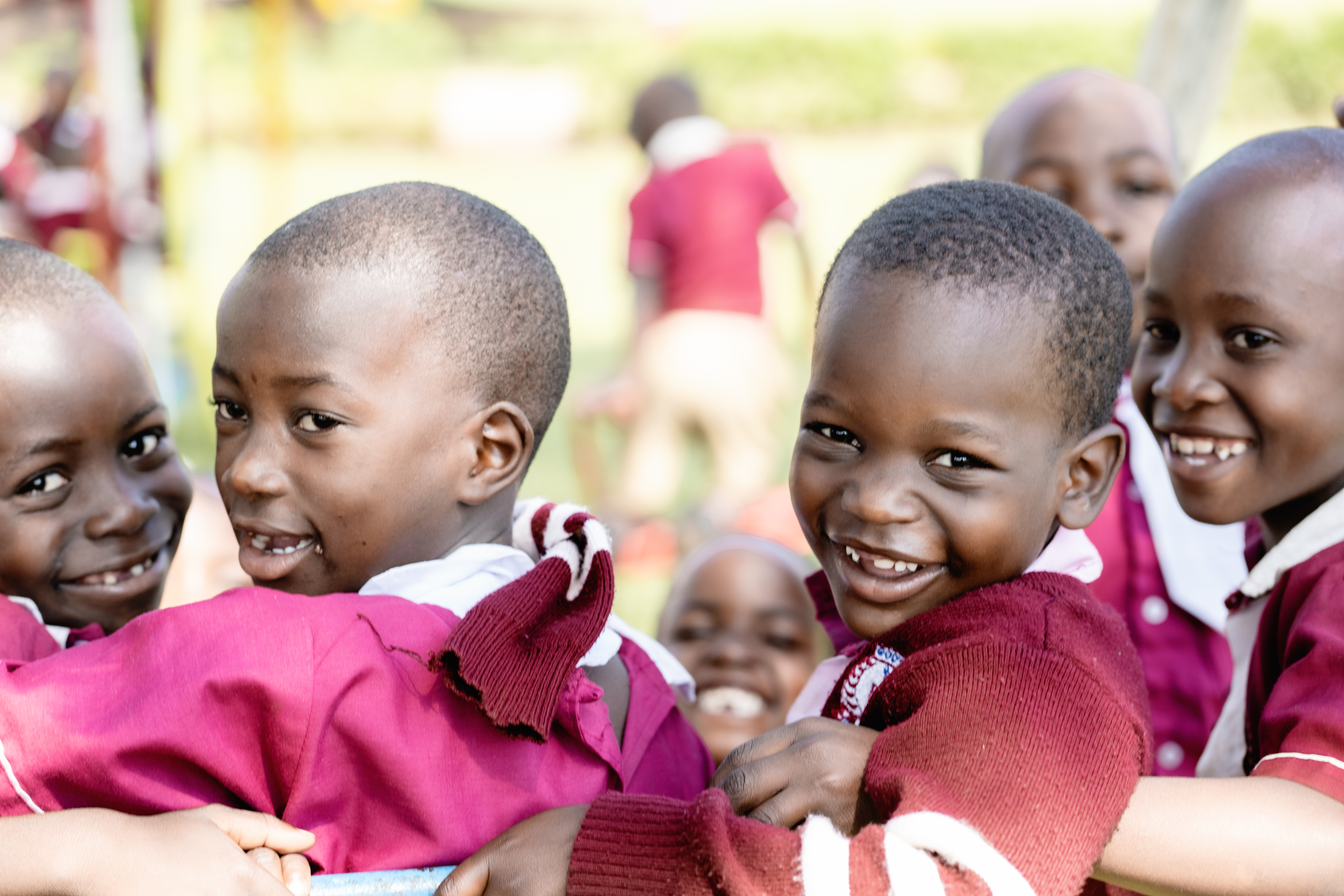
All conscientious parents want their children to attend good schools. When they have the opportunity to choose where their child completes primary or secondary education—as is the case in Uganda—a little parental homework can go a long way toward boosting student success. Here are some key characteristics Ugandan parents should look for in order to be sure their children are attending the best schools Uganda has to offer in their area.

Safety

Schools should have security measures in place to protect children from human traffickers, thieves, and other intruders, as well as to minimize the risk of fire and other environmental hazards. Some important safety features to look for include:

  • Security fences or walls
  • CCTVs and security alarms
  • Security guards
  • “Stranger danger” education for students
  • Close supervision of students by teachers and administrators
  • Portable fire extinguishers, hose reels, and buckets of sand in strategic locations

Teacher Qualifications

In 2017, Uganda’s Education Sector Consultative Commission (ESCC) approved a National Teacher Policy (NTP) to standardize the professional development and management of educators. Parents should verify that a school is accredited (registered with the Ministry of Education) and look for signs of compliance with NTP standards, including:

  • Low student-to-teacher ratios
  • School administrators dedicated to instructional oversight and teacher management
  • Teachers with appropriate qualifications and experience
  • Strong engagement with the surrounding community
  • Well-established, high-quality teaching curricula

Proximity to Home

Particularly if their children will be walking or using unsupervised transportation to school (such as bicycle or motorcycle taxis, which is common throughout Uganda), parents should look for schools located as close to home as possible. This offers the following benefits to students:

  • Helps to keep pedestrian children safer from predators
  • Increases the likelihood that students will be familiar with safe locations and trusted community members along the route to school in case of emergency
  • Maximizes the time children can spend both at home (eating, sleeping, and doing homework) and at school rather than wasting time and energy on the commute
  • Saves money on taxi fares

Reputation and Alumni Success

High tuition and school fees do not indicate the quality of a school. Instead, parents should try to familiarize themselves with the school’s reputation, which is easier to do if the school is located close to home. A high-quality school should track and report the successes of its alumni. If parents are looking at primary schools, they might ask about their graduation and secondary school enrollment rates. With secondary schools, parents should look for graduation rates, career training and college preparation programs, and college enrollment rates.

Improve Education Outcomes for Ugandan Children With Simone’s Kids

Simone’s Kids in Nakaseke, Uganda provides high-quality primary and secondary education and meets basic needs—including access to clean water, safety measures, and an on-site medical clinic—for children in order to help them break the cycle of poverty. Your donations help purchase school supplies, textbooks, food, and other necessities for Ugandan students.

You can maximize your impact with recurring donations to Simone’s Kids by joining The Village. The Village is a passionate group of donors committed to bettering the lives of children in Uganda by making monthly donations that help to provide better meals, more teachers, more activities, and even post-graduation services. Give today!
March 20, 2023/0 Comments
https://www.simoneskids.org/wp-content/uploads/2022/01/DSC00975.jpg 0 0 Ellie Wooldridge https://www.simoneskids.org/wp-content/uploads/2026/01/Simones-Kids-Logo.png Ellie Wooldridge2023-03-20 17:09:252023-03-20 17:09:25Key Traits of High-Quality Schools in Uganda

Things To Know About the Wet Seasons in Uganda

News

Many Americans are accustomed to having four seasons in the year, and plenty of us look forward to spring for relief from harsh winter weather. However, in tropical countries near the equator—like Indonesia, Brazil, and Uganda—there are only wet and dry seasons, and large portions of these countries experience two of each per year. For most of Uganda, there is an initial wet season that occurs from March to May, and another that takes place from September to December. Yet spring in Uganda isn’t all sunflowers and golden dewdrop blooms.

Because it is a developing nation, during the rainy season Uganda experiences not merely flooding and mudslides, but significant additional challenges that threaten public health. Here’s why intensively rainy weather in Uganda poses major health risks—and what you can do about it. 

Health Risks to Ugandans During the Wet Seasons

Bacteria in the water and soil can cause a number of illnesses at any time of year, particularly in Uganda, where water sanitation is not widely available. During periods of heavy rain, however, contaminants in untreated water can spread more easily through flooding, water migration, and soil saturation. Uganda’s biannual rainy seasons intensify during El Niño years, and climate change brings overall increases in extreme weather.   

Waterborne Illnesses

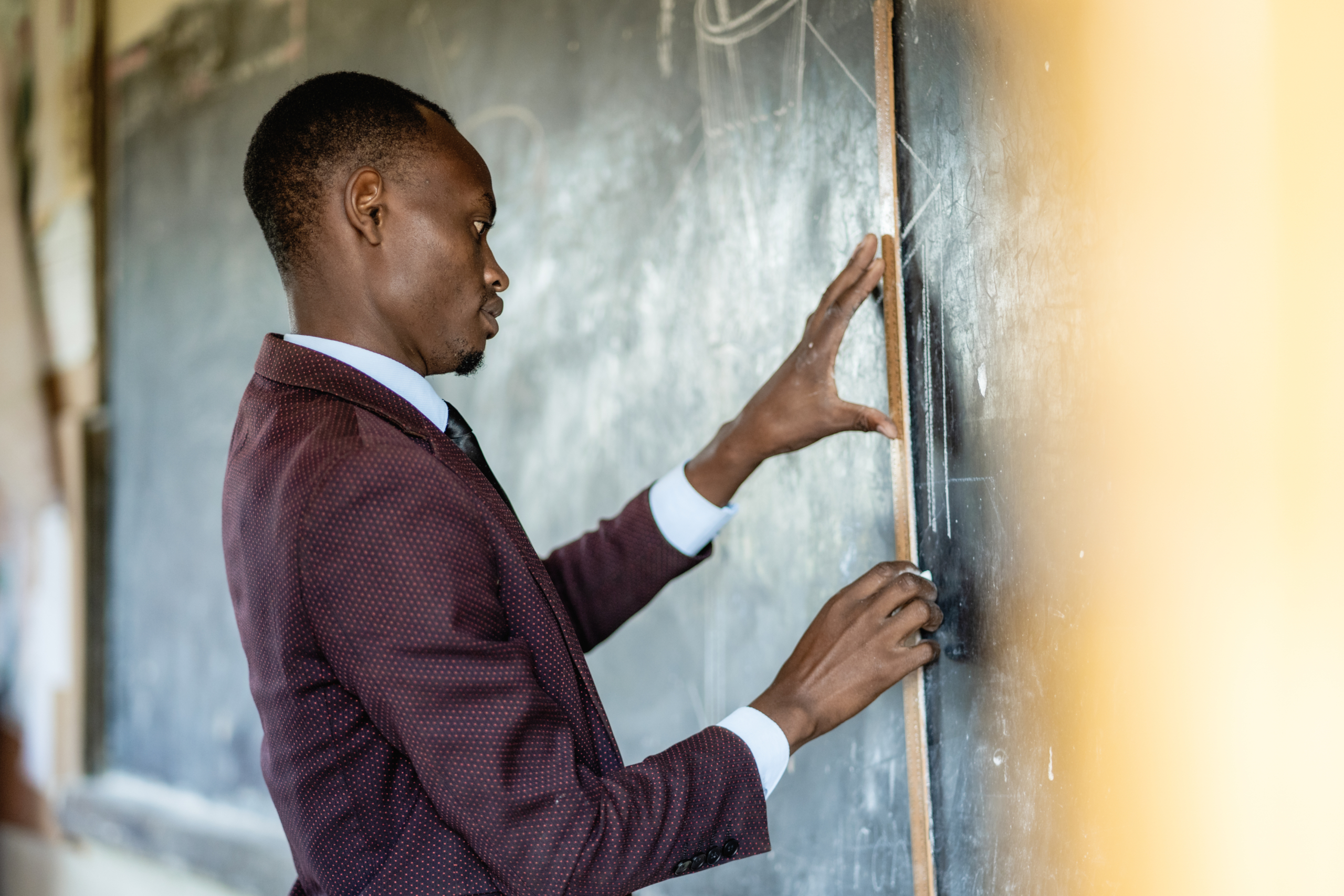
Without access to water sanitation or adequate disease prevention resources, many Ugandans resort to using contaminated water for bathing, drinking, recreation, and household cleaning. Common illnesses caused by doing so include:\

  • Cholera
  • Typhoid fever
  • Dysentery
  • Hepatitis A
  • Polio

Soilborne Illnesses

Besides not having access to water sanitation, many Ugandans don’t own element-resistant shoes, which means that people are often exposed to helminth infections simply by walking around barefoot or by getting dirt in a cut. Helminth infections and schistosomiasis (a parasitic disease) are caused by roundworm, hookworm, and whipworm parasites in the soil. These reproduce in the intestines or bladder and can cause pain, bleeding, gastrointestinal distress, and even organ damage.

Various government and non-government organizations are working to improve water sanitation, clean water access, and health education in Ugandan villages. These are key steps for curbing water- and soilborne illnesses associated with contaminated water and heavy rain. You can change the lives of countless Ugandans by supporting these organizations, particularly those that work to improve health outcomes for children.

Improve Health Outcomes for Ugandan Children With Simone’s Kids

Simone’s Kids in Nakaseke, Uganda provides high-quality primary and secondary education and meets basic needs—including access to clean water and an on-site medical clinic—for children in order to help them break the cycle of poverty. Your donations help purchase school supplies, textbooks, food, and other necessities for Ugandan students.

You can maximize your impact with recurring donations to Simone’s Kids by joining The Village. The Village is a passionate group of donors committed to bettering the lives of children in Uganda by making monthly donations that help to provide better meals, more teachers, more activities, and even post-graduation services. Give today!
 

March 20, 2023/0 Comments
https://www.simoneskids.org/wp-content/uploads/2020/01/Thirst-First-2-scaled.jpg 1707 2560 Ellie Wooldridge https://www.simoneskids.org/wp-content/uploads/2026/01/Simones-Kids-Logo.png Ellie Wooldridge2023-03-20 17:05:462023-03-20 17:05:46Things To Know About the Wet Seasons in Uganda

The Crises That Orphaned Ugandans in the 1980s and 1990s

News

Although many Americans have heard little about it, the 1980s and 1990s in Uganda were devastating periods in the country’s history, which has lasting effects today. They were marked by a combination of crises that left millions of children orphaned, traumatized, and impoverished. Here are some important things to know about these crises.

Crises in Uganda During the 1980s and 1990s

Civil War

In 1980-1986, Uganda was embroiled in violent conflicts between dictators and various national military factions. In 1987, Joseph Kony created a terrorist group called the Lord’s Resistance Army (LRA), which slaughtered elephants for ivory and abducted over 67,000 children for use as slaves and soldiers. Many parents were also killed or abducted by the LRA, leaving their children orphaned. Although the LRA has been virtually eliminated in recent years, those who survived the conflicts are still coping with trauma, mental health disorders, and other difficulties.

The HIV/AIDS Epidemic 

An HIV/AIDS epidemic also took place in Uganda beginning in 1982, killing over 400,000 Ugandans and orphaning ten of thousands of children. Without guardians or breadwinners, many of these children were forced to fend for themselves on the streets, begging or engaging in forms of child labor to survive. This also meant that many were unable to attend school, leaving thousands excluded from high-quality job opportunities and trapped in poverty. Resulting economic losses compounded the already severe psychological damage of war.

Government Camps

The Ugandan government’s policies during this time also contributed to the orphan crisis with the creation of government settlements or “protected villages.” On the surface, their purpose was to stop the LRA from infiltrating remote communities. However, the practice of “villagization” effectively forced people to move from their homes to these settlements under duress, separating many children from their parents, among other human rights abuses. The villages were used until 1999, leaving orphans and fragmented families in their wake.

In order to ensure that future generations of Ugandans have the means to prevent or address health and political crises, it’s essential that governments, non-government organizations (NGOs), and nonprofits work to provide a high-quality education to children. You can support these efforts by donating to related charitable organizations.

Build a Better Future for Ugandan Children With Simone’s Kids

Simone’s Kids in Nakaseke, Uganda provides high-quality primary and secondary education and meets basic needs—including access to clean water—for children in order to help them break the cycle of poverty. Your donations help purchase school supplies, textbooks, food, and other necessities for Ugandan students.

You can maximize your impact with recurring donations to Simone’s Kids by joining The Village. The Village is a passionate group of donors committed to bettering the lives of children in Uganda by making monthly donations that help to provide better meals, more teachers, more activities, and even post-graduation services. Give today!
 

February 28, 2023/0 Comments
https://www.simoneskids.org/wp-content/uploads/2023/02/DSC01792-scaled.jpg 1707 2560 Ellie Wooldridge https://www.simoneskids.org/wp-content/uploads/2026/01/Simones-Kids-Logo.png Ellie Wooldridge2023-02-28 17:54:582023-02-28 17:54:58The Crises That Orphaned Ugandans in the 1980s and 1990s

The Importance of Clean Water Access for Ugandan Children

News

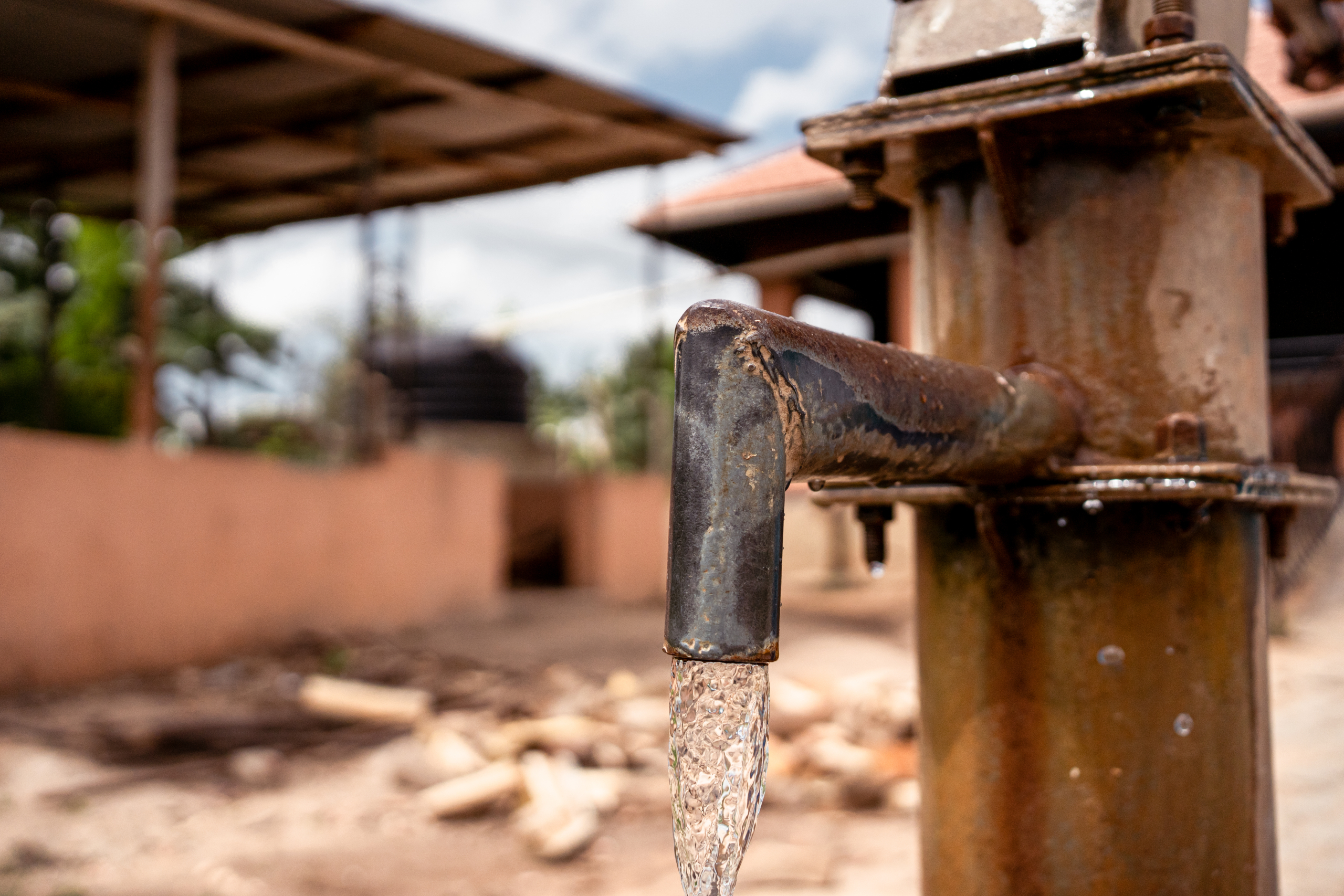
Having readily available clean water for drinking and hygiene is essential for the health and well-being of people in any community. But whereas residents of wealthy nations typically have only to turn on a tap to use this resource, there are major challenges around the lack of clean water in Africa in sub-Saharan countries like Uganda. Many Ugandan schools and villages do not have convenient access to clean water, which causes disease, stunted growth, disrupted education, and reduced economic productivity.

As of 2020, 51% of Ugandans lived without access to safe drinking water, and a further 32% had only limited access (such as from a water source 30 minutes or more away from the home). This is part of a water and sanitation crisis that has serious health consequences for adults, but even more severe implications for children. Here are some of the impacts that the lack of clean water access has on Ugandan children:

  • Waterborne illnesses. Waterborne illnesses like cholera, typhoid fever, and dysentery are leading causes of death in children under the age of 5 in Uganda. They result from communities’ reliance on unsafe surface water from streams, ponds, and homemade wells. These water sources are contaminated not only by natural freshwater bacteria, but by the fact that 64% of Ugandans don’t have hygienic toilets or water sanitation, meaning that rainwater washes unfiltered human waste into surface water sources.
  • Reduced economic productivity. Individuals and communities are often forced to spend a significant amount of time and resources on collecting water, which can lead to missed work and lost income. This constrains families’ ability to provide for their children, including the school fees, uniforms, and supplies children need to attend school. This leaves many children unable to complete essential primary or secondary school education.
  • Absenteeism in schools. Water insecurity often leads to depression in caregivers, obligating children to spend excessive time fetching water rather than attending school. The lack of sanitary facilities on school property routinely forces adolescent girls to stay home. Female students are also asked to fetch water more often than males at school, although collecting water detracts from the learning process in both genders. Time spent being sick with waterborne illnesses also results in further absences from school.

Non-government organizations (NGOs), nonprofits, and the Ugandan government are working to improve clean water access in schools and villages. These efforts include building wells, boreholes, and rainwater harvesting systems, as well as providing education on proper sanitation and hygiene practices. You can change the lives of countless Ugandans by supporting charitable organizations that work to improve health outcomes for children.

Improve Health Outcomes for Ugandan Children With Simone’s Kids

Simone’s Kids in Nakaseke, Uganda provides high-quality primary and secondary education and meets basic needs—including access to clean water—for children in order to help them break the cycle of poverty. Your donations help purchase school supplies, textbooks, food, and other necessities for Ugandan students. 

Currently, Simone’s Kids is looking to replace a bore hole at our primary school and place a new one at our high school, so the girl’s dormitory may get water up to the second floor. If you would like to donate to this specific need – click here to learn more!

You can maximize your impact with recurring donations to Simone’s Kids by joining The Village. The Village is a passionate group of donors committed to bettering the lives of children in Uganda by making monthly donations that help to provide better meals, more teachers, more activities, and even post-graduation services. Give today!

February 23, 2023/0 Comments
https://www.simoneskids.org/wp-content/uploads/2023/02/DSC01021-scaled.jpg 1707 2560 Ellie Wooldridge https://www.simoneskids.org/wp-content/uploads/2026/01/Simones-Kids-Logo.png Ellie Wooldridge2023-02-23 17:37:372023-02-23 17:37:37The Importance of Clean Water Access for Ugandan Children

Things To Know About Accelerated Learning in Uganda

News

In January 2022, Ugandan schools reopened after over a year and a half, the longest lockdown in the entire world. It soon became evident that, as had been the case after lockdowns even in wealthy nations, students had fallen behind in their education. But in Uganda, the pandemic only exacerbated previous interruptions in learning caused by poverty, social marginalization, refugee status, military conflicts, epidemics, and other crises. Girls are at the most risk for truncated learning, but so are child soldiers, child heads of household, and other groups.

To address this complex learning crisis, the Ugandan government and humanitarian nongovernmental organizations (NGOs) are implementing programs to accelerate learning for young people so that they can complete their education and gain essential career and life skills. Here’s how accelerated learning solutions can meet Ugandan students where they are and serve their needs.

What Are Accelerated Education Programs?

Also known as Accelerated Learning Programs (ALPs), Accelerated Education Programs (AEPs) are adaptable, age-appropriate educational plans that help students build learning competencies in key subjects and qualify for grade school certifications. They are specifically formulated for students whose education has been interrupted because of major crises, including students who have aged out of grade school eligibility. 

Although the names, structures, and teaching approaches of these programs vary, AEPs generally reduce the length of learning cycles while focusing on essential competencies like literacy and numeracy. Refugees from neighboring countries may also have the opportunity to learn English, Uganda’s official language, opening paths to further learning and jobs. AEPs can be used as a path to return to formal education and may use the following approaches to get learners back on track:

  • Use simple reading and mathematics tests to assess each student’s learning level
  • Group students based on their learning level, not their exact age or grade (within reason, so that learning remains age-appropriate)
  • Conduct educational activities for a portion of each day or year that have been proven to accelerate learning outcomes
  • Provide a welcoming, inclusive, and engaging environment to help traumatized or anxious students achieve a mental state conducive to learning

You can help make AEPs and other forms of educational programming available to more children by supporting humanitarian or learning-focused nonprofit organizations in Uganda.

Accelerate Learning for Ugandan Children With Simone’s Kids

Simone’s Kids in Nakaseke, Uganda provides high-quality primary and secondary education and meets basic needs for children in order to help them break the cycle of poverty. Your donations help purchase school supplies, textbooks, food, and other necessities for Ugandan students.

You can maximize your impact with recurring donations to Simone’s Kids by joining The Village. The Village is a passionate group of donors committed to bettering the lives of children in Uganda by making monthly donations that help to provide better meals, more teachers, more activities, and even post-graduation services. Give today!
January 31, 2023/0 Comments
https://www.simoneskids.org/wp-content/uploads/2023/01/sk_2019-179.jpg 0 0 Ellie Wooldridge https://www.simoneskids.org/wp-content/uploads/2026/01/Simones-Kids-Logo.png Ellie Wooldridge2023-01-31 16:02:462023-01-31 16:02:46Things To Know About Accelerated Learning in Uganda

STEM Education Measures in Uganda

News

Although you’re doubtless familiar with the new emphasis on science, technology, engineering, and mathematics (STEM) education in US schools and youth programming, you might be wondering how other countries are faring in this regard. Unsurprisingly, the nations that stand to benefit most from robust STEM industries often struggle the most to implement education programs to support them. This is particularly true in the world’s least wealthy countries, such as those in sub-Saharan Africa. Here’s what you should know about STEM learning in Uganda.

Why STEM Education Is Essential for Uganda’s Future

Currently, the youth unemployment rate in Uganda is a staggering 64%-70%, while completion rates for secondary (high school) and tertiary (undergraduate) education are among the lowest in the world. In addition, secondary school and college graduates often don’t receive practical education or training in STEM subjects. As the world becomes increasingly mechanized, digitized, and energy-conscious in the 21st century, STEM subjects are among the most essential for attaining high levels of career and socioeconomic success.

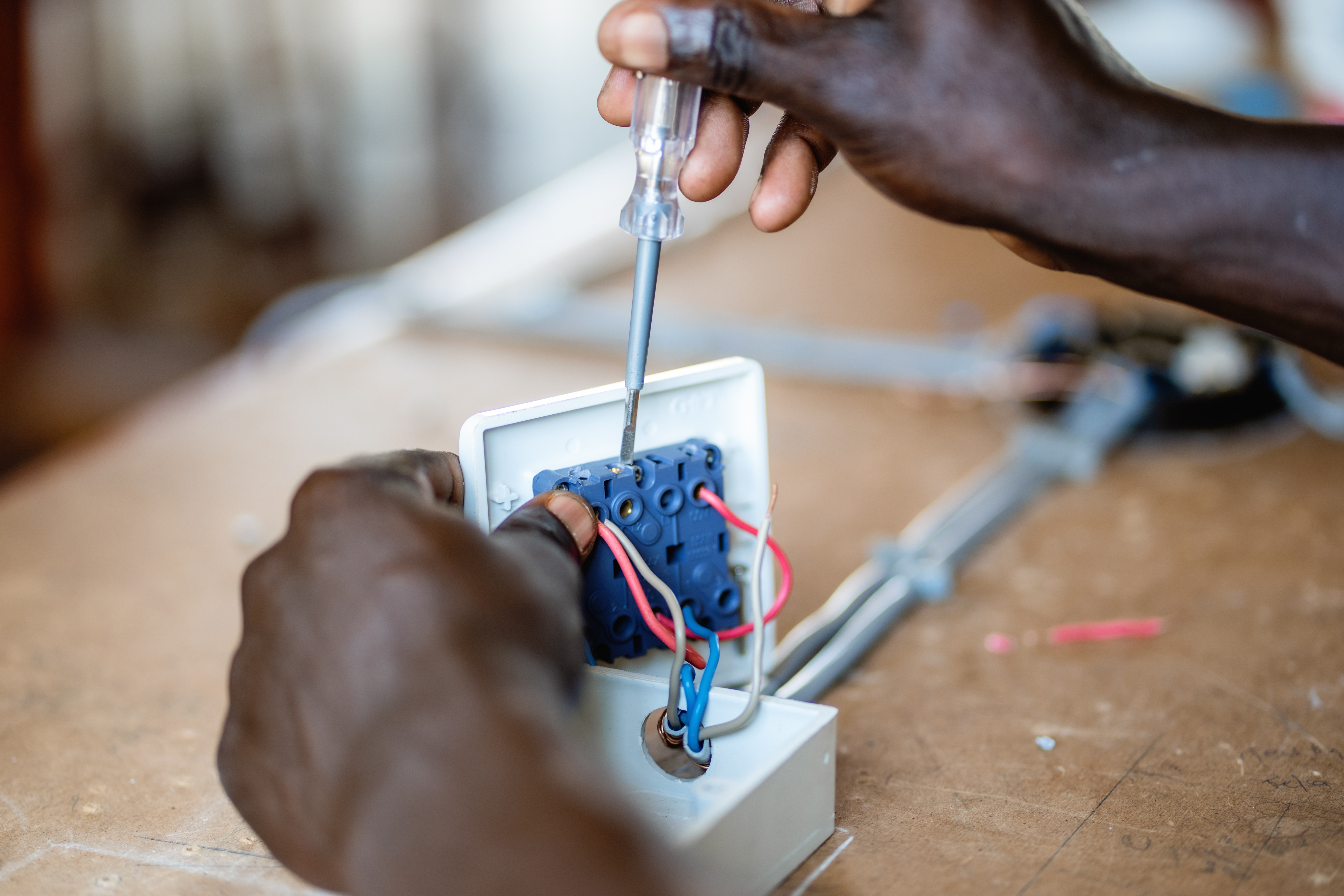
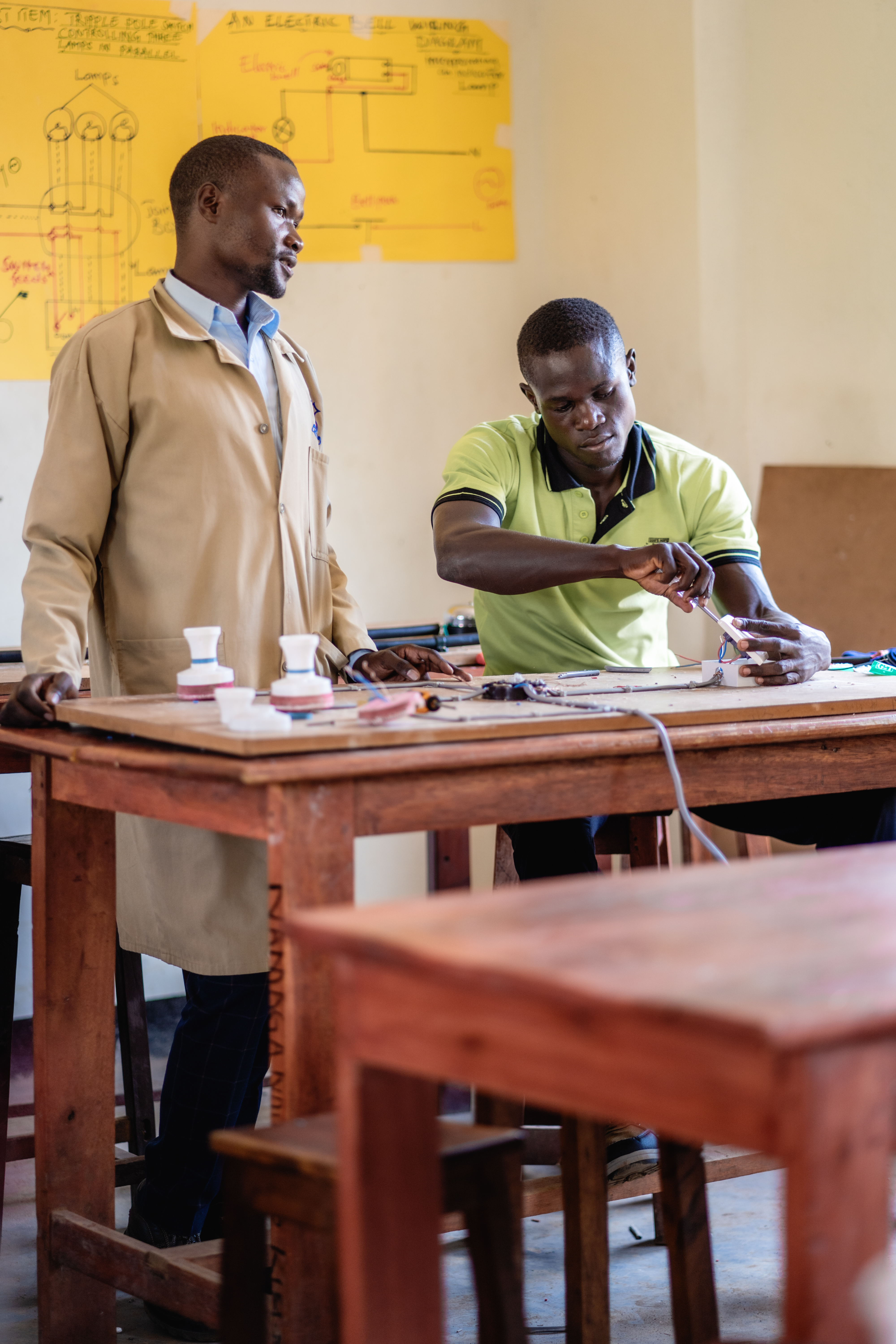
In addition to preparing Uganda’s young people for lucrative jobs that can support them and their families, STEM programs equip future workers and entrepreneurs to improve the quality of life in their communities and beyond. Technological and engineering innovations are needed to resolve national challenges related to human wellness, such as stable roads, water sanitation, disease prevention and treatment, crop optimization, reliable energy infrastructure, and more. In short, improving STEM education is imperative for Uganda’s future.

Why STEM Education Is Essential for Uganda’s Girls and Women

Ugandan girls face the greatest barriers to learning and career success. As a result, less than a third of science researchers in Uganda are women. Girls and women who are unable to complete their education or find a high-quality job are at increased risk of premature marriage, dependence on men for financial support, and inability to keep themselves and their children healthy. Promoting STEM education for girls can not only empower them to make optimal life choices, but increase Uganda’s skilled workforce in key economy-boosting industries. 

You Can Support STEM Education in Uganda

Although the Ugandan government has implemented some measures to improve the quality and prevalence of STEM learning in schools for both genders, the nation relies heavily on humanitarian and education-related nonprofits for assistance with STEM programming. You can contribute to STEM training success in Uganda by supporting these kinds of nonprofits.

The Gift of Education for Ugandan Children Lasts a Lifetime

Simone’s Kids in Nakaseke, Uganda provides high-quality primary and secondary education and meets basic needs for children in order to help them break the cycle of poverty. Your donations help purchase school supplies, textbooks, food, and other necessities for Ugandan students.

You can maximize your impact with recurring donations to Simone’s Kids by joining The Village. The Village is a passionate group of donors committed to bettering the lives of children in Uganda by making monthly donations that help to provide better meals, more teachers, more activities, and even post-graduation services. Give today!
January 10, 2023/0 Comments
https://www.simoneskids.org/wp-content/uploads/2023/01/DSC02072.jpg 0 0 Ellie Wooldridge https://www.simoneskids.org/wp-content/uploads/2026/01/Simones-Kids-Logo.png Ellie Wooldridge2023-01-10 17:38:142023-01-10 17:38:14STEM Education Measures in Uganda

Why Education Lights the Way for Brighter Ugandan Futures

News

In the Christmas Nativity story, some distinguished men—likely astrologists or astronomers—traveled for miles using the light of a “star” (later known as the Star of Bethlehem or the Christmas star) to locate the infant savior Jesus and bring him gifts. Although the actual source of the light is unknown, some astronomers believe it may have been a rare conjunction of Jupiter and Saturn in the year 7 B.C. This beacon is a powerful symbol of hope among Christians, including in predominantly Christian Uganda.

For decades, Uganda has faced scores of challenges that threaten its future: poverty, overpopulation, a refugee crisis, multiple epidemics, and authoritarian political conflicts, to name a few. It will require the alignment of powerful humanitarian forces to help the nation reach its full potential. The journey begins with education, the brightest guiding light toward a better future for Uganda, for the following reasons:  

  • Provides tools for helping communities to thrive. Education can provide a path out of poverty for Ugandans. Diligent students can gain a valuable understanding of disease prevention, good nutrition, ways to grow produce, and safer sources of water and fuel, among many other life-changing benefits. Secondary school and college graduates are then equipped to help their communities become safer, cleaner, and more prosperous.
  • Changes harmful attitudes toward gender roles and reduces domestic abuse. Boys who complete secondary education or college are more likely to value girls and women as potential earners, leaders, and companions rather than as mere property or child care providers. Female graduates, in turn, tend to better advocate for themselves as equals to men. Both of these factors help to reduce domestic abuse as well.
  • Offers girls meaningful life and career choices. Girls whose families don’t prioritize their education are at risk of leaving school to marry or care for unplanned children at a young age. Educated girls are qualified for higher education and more career opportunities and are better informed on essential nutrition and healthcare principles. All of these qualities help them to better support themselves, their future families, and their communities.
  • Prepares students for higher education and higher-quality jobs. Students who graduate from secondary education can choose to attend college or enter the workforce. Secondary education graduates can earn 16.7% more than those who don’t finish school, and college graduates can earn a further 23.4% more beyond that. This is significant for breaking the cycle of poverty in both the near and distant future.

Support Education and Brighter Futures for Ugandans

Simone’s Kids in Nakaseke, Uganda provides education and meets basic needs for children in order to help them break the cycle of poverty. Your donations help purchase nutritious food, school supplies, textbooks, and other necessities for Ugandan students.

It’s time for our annual Classroom for Christmas drive! Join us in giving back this holiday season with gifts that provide hope to our students in Uganda. Make a difference by shopping at the Simone’s Kids Store or donating to Simone’s Kids today!

December 12, 2022/0 Comments
https://www.simoneskids.org/wp-content/uploads/2022/02/50976923_10157069742209444_1151638121134161920_n.jpg 1920 1920 Ellie Wooldridge https://www.simoneskids.org/wp-content/uploads/2026/01/Simones-Kids-Logo.png Ellie Wooldridge2022-12-12 16:49:572022-12-12 16:49:57Why Education Lights the Way for Brighter Ugandan Futures

Why Supporting Ugandan Schools Is the Best Holiday Deal

News

Each winter, Americans search for the best holiday deals on Christmas gifts like tech toys, appliances, and household goods. Yet education is the best gift you can give in Uganda, whose rates of secondary school completion were just 62% in 2018 and have likely worsened after the world’s longest pandemic lockdown. Currently, the government is making investments in education. However, Uganda is among the poorest nations in the world, and it’s also home to the largest refugee population in Africa. More funding for schools is urgently needed. 

Here’s what your gift can accomplish in strengthening school resources and, by extension, attendance and graduation rates:

  • Safer school buildings. All buildings require routine maintenance as they age, but Uganda’s two annual rainy seasons often hasten damage to school buildings. Common problems include leaky roofs, foundations weakened by water runoff, and more. Runoff and bacterial problems are also worsened by Uganda’s predominantly dirt roads. In addition, schools need fences and other security equipment to protect students from child traffickers and other criminal interlopers.
  • Teacher training and salaries. There is currently a teacher shortage in Uganda. Teachers were forced to find other work during the long pandemic lockdowns, and many found better-paying jobs in a wide variety of fields that left them little reason to return. Private schools have been even more funding-challenged than public ones, with 85% not able to pay full teacher salaries. With so many teachers leaving the profession, robust salaries and training programs will be needed to recruit new ones.
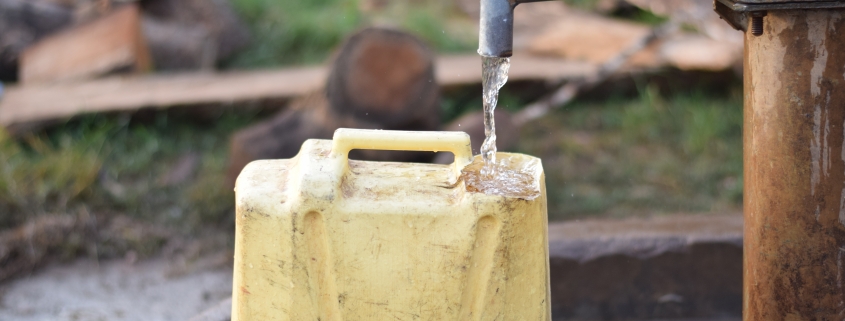
  • Essential classroom and building supplies. Many schools are in need of essential classroom, restroom, and other facility supplies in order to provide an efficient and high-quality learning environment. These can include desks, projectors, chalkboards, lab equipment, beds for live-in staff members, and much more.
  • Clean water access and sanitation. In Uganda, access to clean, safe water is hard to come by. School staff and students often have to fetch it from nearby bodies of fresh water, which frequently contain harmful infection-causing bacteria. Funding for water sanitation is essential for addressing one of the most basic of human needs.
  • Essential educational programming. In order to qualify for skilled jobs that offer reasonable job security, students need access to training in lucrative fields. They will need to be especially proficient in STEM and language arts subjects as well as vocational training.

The Gift of Education for Ugandan Children Lasts a Lifetime

Simone’s Kids in Nakaseke, Uganda provides education and meets basic needs for children in order to help them break the cycle of poverty. Your donations help purchase nutritious food, school supplies, textbooks, and other necessities for Ugandan students.

It’s time for our annual Classroom for Christmas drive! Join us in giving back this holiday season with gifts that provide hope to our students in Uganda. Make a difference by shopping at the Simone’s Kids Store or donating to Simone’s Kids today!

December 12, 2022/0 Comments
https://www.simoneskids.org/wp-content/uploads/2022/11/DSC02379-scaled.jpg 1707 2560 Ellie Wooldridge https://www.simoneskids.org/wp-content/uploads/2026/01/Simones-Kids-Logo.png Ellie Wooldridge2022-12-12 16:34:272022-12-12 16:35:28Why Supporting Ugandan Schools Is the Best Holiday Deal

Give the Gift of School Supplies to Ugandan Students

News

Giving Tuesday was created in 2012 to offer philanthropic balance to the consumerist American tradition of Black Friday, which kicks off the holiday shopping season. If you participate in this tradition of giving, congratulations: you are making the holidays more meaningful for yourself and the communities you support. Still, it can be challenging to decide which causes to support each year. 

If that’s the case, it may help to know that the gift of education really does keep on giving, and donating funds for school supplies can put the students who need them most on a life-changing path to success. Here’s why you should consider giving the gift of school supplies to Ugandan students this year:

  • Relieve the cost burden of education. Low-income families frequently find the cost of education for their children prohibitive, even in tuition-free schools. That’s because the cost of school supplies (uniforms, books, writing tools, paper, and more) adds up quickly, particularly in large families with several children. Relieving this cost helps families to give their children a better start in life. 
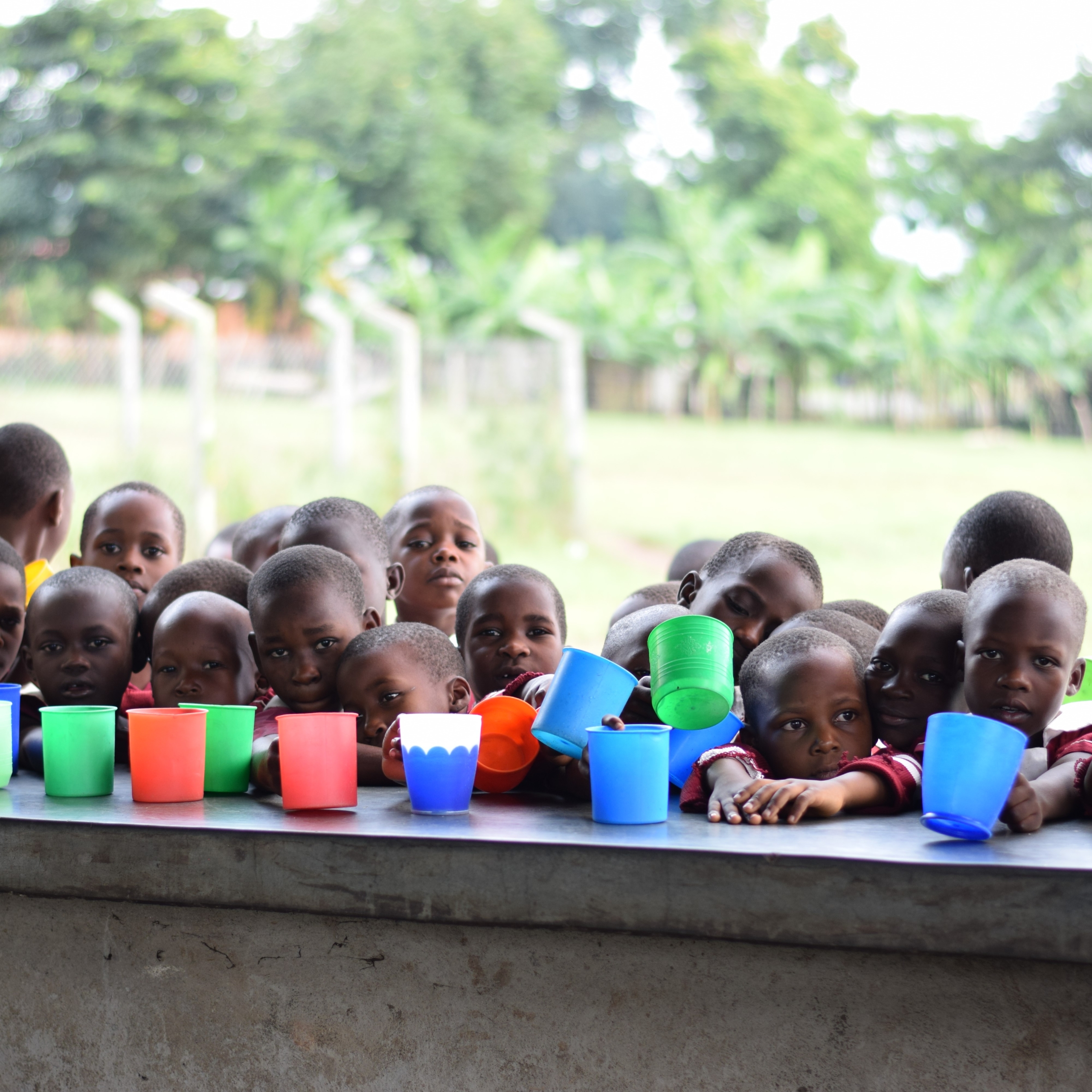
  • Reduce high dropout rates. Many Ugandan students drop out of school before they have even completed their primary education (for ages 6-13), or during secondary school (for ages 13-19). There are many reasons for this, but financial concerns are a major contributor. This means that donations to school supply funds can help significantly in increasing the likelihood that children will stay in school.
  • Help to break the cycle of poverty. Because completing a formal education is key to qualifying for high-quality jobs and escaping poverty, Ugandan students who are forced to drop out—through no fault of their own—frequently become trapped in low-income occupations. If they cannot afford to send their own children to school, the cycle begins again. Helping to keep children in school gives them a better chance to break this cycle and live healthier, more productive lives.
  • Give girls more life choices. Uganda has one of the highest teenage pregnancy rates in the world. Helping girls stay in school significantly reduces their risk of unintended pregnancy and premature marriage, which in turn reduces their dependence on men for income. Completing their education allows girls to delay marriage, have careers, and gain more control over their lives and health. Donated school supplies can go a long way toward helping them achieve this.

The Gift of Education for Ugandan Children Lasts a Lifetime

Simone’s Kids in Nakaseke, Uganda provides education and meets basic needs for children in order to help them break the cycle of poverty. Your donations help purchase nutritious food, school supplies, textbooks, and other necessities for Ugandan students.

It’s time for our annual Classroom for Christmas drive! Join us in giving back this holiday season with gifts that provide hope to our students in Uganda. Make a difference by shopping at the Simone’s Kids Store or donating to Simone’s Kids today!

November 7, 2022/0 Comments
https://www.simoneskids.org/wp-content/uploads/2022/11/118475929_10158646559389444_4693649672683024296_n.jpg 960 1440 Ellie Wooldridge https://www.simoneskids.org/wp-content/uploads/2026/01/Simones-Kids-Logo.png Ellie Wooldridge2022-11-07 18:54:592022-11-07 18:54:59Give the Gift of School Supplies to Ugandan Students

Share Your Feast with Ugandans This Thanksgiving

News

Every year, on the fourth Thursday in November, Americans everywhere gather to share plentiful and even extravagant feasts with friends and family. Afterward, people loosen their belts and resolve to undo the damage of saturated fats, sugars, and over-processed carbohydrates with more exercise and healthier foods. That’s because despite being among the most obese populations in the world, many Americans have abundant food choices and easy access to information about good nutrition.

Yet in sub-Saharan African countries like Uganda, there is often little opportunity for either gluttonous feasting or well-informed choices where essential nutrients are concerned. Here are some things to know about malnutrition in Uganda and how you can help children there to build healthier lives and brighter futures.

Malnutrition in Uganda

One of the biggest threats to children in Uganda today is the cycle of malnutrition and infection. Of children who are under 5 years of age, 53% have anemia, 29% have stunted growth, and 11% have abnormally low weight. Of girls and women who can become pregnant, 32% have anemia and 9% are underweight. These groups are at risk of having babies with low birth weight, which predisposes their children to malnutrition as well. When underweight babies and children develop infections, their risk of stunted growth increases even further.

As of 2015, about half of all child deaths in Uganda were caused by malnutrition and stunting. This stems in part from food insecurity and disease as well as barriers to clean water and sanitation. However, inadequate access to education—including an understanding of basic nutrition—are also major contributors. In fact, data shows that the more education a mother attains, the less likely her child is to suffer from malnutrition and stunting. 

Removing barriers to education can not only help to keep children and mothers healthier, but give Ugandans the means to escape poverty and build healthier, more productive communities.

You Can Help To End Malnutrition in Uganda This Thanksgiving

You can help to improve nutrition and overall quality of life for Ugandans by supporting schools and education programs, which provide children with the tools they need to build a more promising future. This Thanksgiving, consider donating to nonprofit organizations that work to keep Ugandan children in school while meeting their essential nutritional and health needs. Many organizations have simple, user-friendly online donation platforms. As you’re recovering from your Thanksgiving feast, grab a mobile device and share your bounty with Ugandans.

Prevent Malnutrition for Ugandans With Simone’s Kids

Simone’s Kids in Nakaseke, Uganda provides education and meets basic needs for children in order to help them break the cycle of poverty. Your donations help purchase nutritious food, school supplies, textbooks, and other necessities for Ugandan students.

It’s time for our annual Classroom for Christmas drive! Join us in giving back this holiday season with gifts that provide hope to our students in Uganda. Make a difference by shopping at the Simone’s Kids Store or donating to Simone’s Kids today!

November 7, 2022/0 Comments
https://www.simoneskids.org/wp-content/uploads/2021/12/DSC_0603-scaled.jpg 2560 2560 Ellie Wooldridge https://www.simoneskids.org/wp-content/uploads/2026/01/Simones-Kids-Logo.png Ellie Wooldridge2022-11-07 18:19:162022-11-07 18:19:16Share Your Feast with Ugandans This Thanksgiving

The Muslim-Christian Conflict in Uganda

News

In many countries, religious conflicts are almost inseparable from complex political ones; religious conflict in Africa is no exception, and Uganda is a major example of this. Christianity is the dominant religion in Uganda, with 82% of citizens identifying as Roman Catholic, Anglican, or Pentecostal Christian. About 14% of the population is Muslim; most are Sunni, but there is a small number of Shia Muslims in Kampala and eastern Uganda. Here are some important things to be aware of regarding Muslim-Christian animosity in Uganda.

The Islamic State and Alliance of Democratic Forces vs. Christian Uganda

Since the late 1990s, a number of Muslim extremists have been kidnapping and killing Christian groups in Uganda and the Democratic Republic of the Congo (DRC) as part of an effort to amass more Islamic converts and gain political power. Many are part of the Alliance of Democratic Forces (ADF), a transnational insurgent group that declared allegiance to the Islamic State (IS) in 2019. The ADF seeks to establish Sharia law and overthrow the Ugandan government, which itself has strong ties to the Anglican Church (Church of Uganda).

The Impact of Conflicts on Ugandan Christians and Children

Recently, there have been attacks on Christians during evangelical gatherings, leading Christians in eastern Uganda to plead for governmental protection. The Ugandan population as a whole has also suffered from other historic and current violent political conflicts, epidemics, and a weakened economy. 

Combined with the global pandemic, these factors threaten the health and futures of Uganda’s children, leaving them vulnerable to poverty and violence. Keeping Ugandan students in school is key to keeping them safe and offering hope for a better future.

The Gift of Education for Ugandan Children Lasts a Lifetime

You can help improve the quality of life for Ugandans by supporting schools and education programs, which provide children with the tools they need to build a more promising future. Simone’s Kids in Nakaseke, Uganda provides education and meets basic needs for children in order to help them break the cycle of poverty. Your donations help purchase school supplies, textbooks, food, and other necessities for Ugandan students.

It’s time for our annual Classroom for Christmas drive! Join us in giving back this holiday season with gifts that provide hope to our students in Uganda. Make a difference by shopping at the Simone’s Kids Store or donating to Simone’s Kids today!

November 4, 2022/0 Comments
https://www.simoneskids.org/wp-content/uploads/2022/11/87038671_10158066919934444_1332767255762567168_o.jpg 1080 1351 Ellie Wooldridge https://www.simoneskids.org/wp-content/uploads/2026/01/Simones-Kids-Logo.png Ellie Wooldridge2022-11-04 15:34:092022-11-04 15:34:09The Muslim-Christian Conflict in Uganda

Mental Health in Ugandan Civil War Survivors

News

The nation of Uganda has endured various violent political conflicts since it became independent from the UK in 1962. The longest of these was the Ugandan Bush War in Northern Uganda, also called the Ugandan Civil War and the Luwero War. Today, survivors of this decades-long war are still battling mental health disorders related to this and other sources of national trauma. Here are some important facts about mental health challenges for survivors of the Ugandan Bush war.

The Ugandan Bush War

The Ugandan Bush War began in 1980 with former general Idi Amin’s rise to power as a military dictator. His regime was swiftly overthrown by the Ugandan National Liberation Front (UNLF). Groups of Ugandans loyal to Amin massacred much of the UNLF army, and the rest of it became divided by internal conflict. 

When previous Ugandan prime minister Apollo Milton Obote regained power in 1981, more rebel armies emerged, several of which combined to form the Uganda Popular Front. Violent clashes against Obote’s rule continued until Yoweri Museveni and his National Resistance Army/Movement (NRA/M) seized power in 1986; Museveni remains in office as prime minister today. Approximately 1 million Ugandans died in the war; countless villages were destroyed, and 1.6 million people were displaced into poorly-equipped protective government camps.

Implications for Ugandans’ Mental Health

Needless to say, there have been grave mental health repercussions for survivors of the Ugandan Bush War and subsequent violent conflicts. As of 2006, 52% of war-affected Ugandans suffered from depression, 39.9% had PTSD, and 22.7% exhibited suicidal behavior. In addition, 60% of war-affected Ugandans experienced chronic anxiety, and 72.2% were diagnosed with somatic symptom disorder. Today, depression, anxiety disorders, chronic stress, and substance use disorders remain prevalent in the wake of multiple wars and the COVID-19 pandemic.

Currently, mental healthcare is largely unavailable in Uganda. However, in addition to increased public healthcare funding in the short term, education may be the best long-term key to national recovery. Education can help to prepare more Ugandans for careers as mental healthcare professionals and provide a better understanding of psychological health in general. 

The Gift of Education for Ugandan Children Lasts a Lifetime

You can help improve the quality of life for Ugandans by supporting schools and education programs, which provide children with the tools they need to build a more promising future. Simone’s Kids in Nakaseke, Uganda provides education and meets basic needs for children in order to help them break the cycle of poverty. Your donations help purchase school supplies, textbooks, food, and other necessities for Ugandan students.

It’s time for our annual Classroom for Christmas drive! Join us in giving back this holiday season with gifts that provide hope to our students in Uganda. Make a difference by shopping at the Simone’s Kids Store or donating to Simone’s Kids today!

October 5, 2022/0 Comments
https://www.simoneskids.org/wp-content/uploads/2022/04/sk_2019-15.jpg 0 0 Ellie Wooldridge https://www.simoneskids.org/wp-content/uploads/2026/01/Simones-Kids-Logo.png Ellie Wooldridge2022-10-05 18:49:262022-10-05 18:49:26Mental Health in Ugandan Civil War Survivors

Satterfields Return to Uganda

News

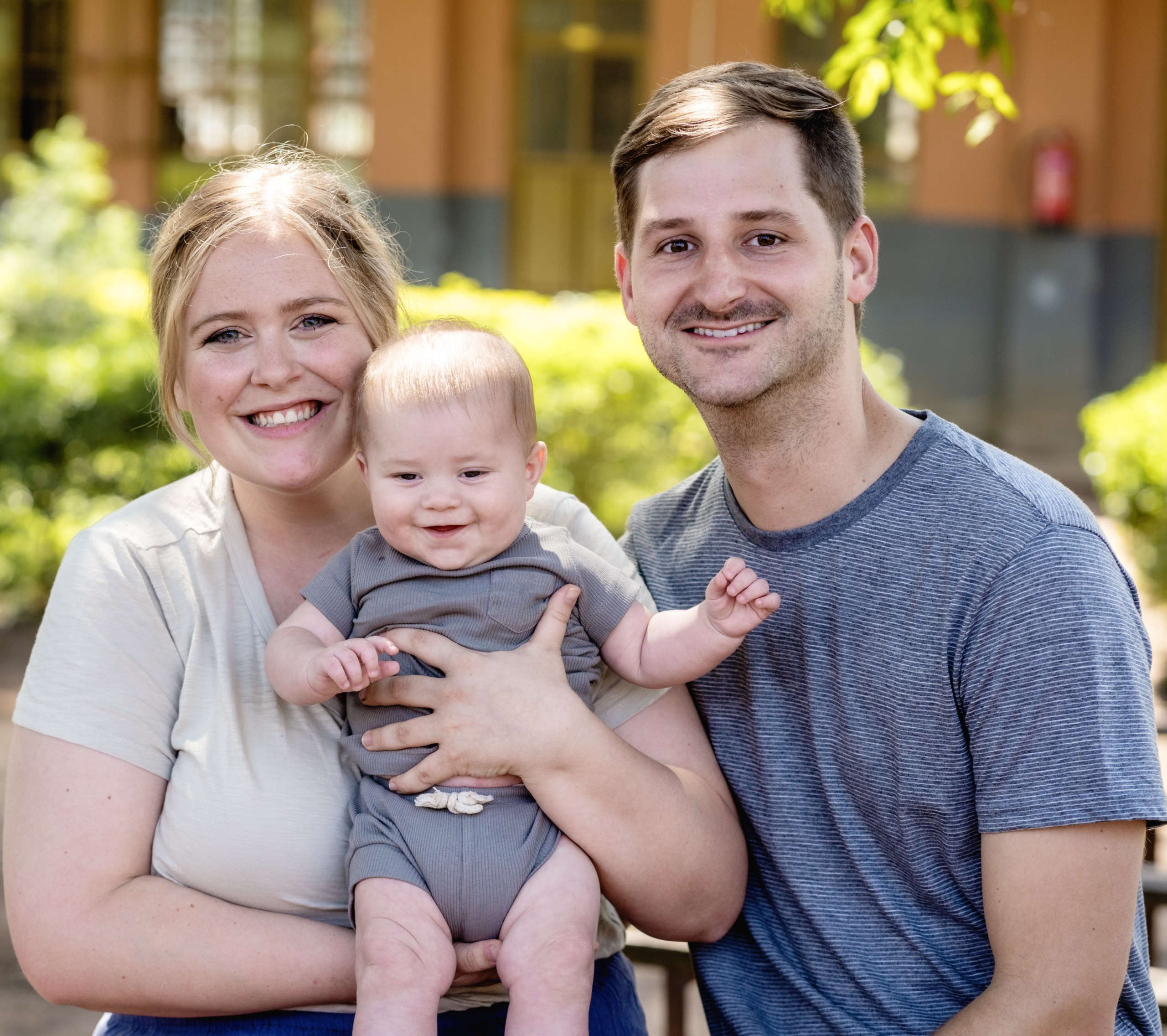
Mason and Morgan Satterfield are heading back to Uganda! After taking some time in the states to welcome their baby, Zeke, they are officially transitioning back to the place their hearts call home. For those who do not know, Mason has served with Simone’s Kids since 2012 and Morgan since 2014. They are so excited to continue investing in the community of Nakaseke. The Satterfields have significantly impacted Simone’s Kids’ growth over the years and proven to be a constant positive influence on the students in both primary and secondary. Our organization cannot wait to see how the Lord will continue to use them in this ministry!

As they return, Mason will take over a new position: Child Scholarship and Business Manager. The Scholarship Manager is responsible for ensuring the successful implementation and maintenance of Simone’s Kids Scholarship Program.  Mason will be directly working with students and their families to help aid the vision and mission of Simone’s Kids in the Nakaseke community. Over the years, Mason has built deep relationships with the students and the local community; therefore, we believe he will be a great asset to our scholarship program and ensure it continues running effectively.

The Satterfields are set to be onsite by the end of September. Their move back to Uganda means we will have four missionaries serving together in the Nakaseke community. As an organization, we are thankful that we get to send faithful stewards to serve and make an eternal impact in God’s Kingdom. Join us in praying for the Satterfields as they travel and settle in as a family of 3 in Nakaseke, Uganda!


September 19, 2022/0 Comments
https://www.simoneskids.org/wp-content/uploads/2022/09/Satterfield-headshot-2-scaled.jpg 2272 2560 Ellie Wooldridge https://www.simoneskids.org/wp-content/uploads/2026/01/Simones-Kids-Logo.png Ellie Wooldridge2022-09-19 15:00:482022-09-19 15:04:05Satterfields Return to Uganda
Page 4 of 8«‹23456›»

Pages

  • 2023 Report
  • About Simone’s Kids
  • Address
  • Afterschool
  • Celebrate
  • Classroom for Christmas
  • Contact
  • Current Projects
  • Donate Stocks
  • Donation Details
  • Double the Donation
  • Event Sponsorship
  • General Contact form
  • Highschool
  • Home
  • Home for the Holidays 24
  • Job Opportunities
  • Links
  • Lunchline
  • News
  • Not Back to School Campaign
  • Not Back to School Resources
  • Primary School
  • Privacy Policy
  • Programs
  • quiz
  • Sponsor A Child with Simone’s Kids
  • Terms & Conditions
  • Thank You
  • Trips
  • Village
  • Village Lunch RSVP
  • Vocational School
  • Vocational School
  • World Malaria Day
  • World Malaria Day

Categories

  • News

Archive

  • June 2025
  • May 2025
  • April 2025
  • March 2025
  • February 2025
  • January 2025
  • November 2024
  • October 2024
  • September 2024
  • August 2024
  • July 2024
  • June 2024
  • May 2024
  • April 2024
  • March 2024
  • February 2024
  • January 2024
  • December 2023
  • November 2023
  • October 2023
  • August 2023
  • July 2023
  • June 2023
  • May 2023
  • April 2023
  • March 2023
  • February 2023
  • January 2023
  • December 2022
  • November 2022
  • October 2022
  • September 2022
  • August 2022
  • July 2022
  • May 2022
  • April 2022
  • March 2022
  • February 2022
  • January 2022
  • December 2021
  • November 2021
  • August 2021
  • February 2021
  • January 2021
  • July 2020
  • May 2020
  • March 2020
  • May 2019
  • February 2019
  • December 2018
  • November 2018
  • August 2018
  • June 2018
  • May 2018
  • March 2018
  • January 2018
  • November 2017
  • August 2017
  • July 2017
  • June 2017
  • May 2017
  • April 2017
  • January 2017
  • June 2016
  • October 2015
  • September 2015

Get to know us

  • About Us
  • Our Team
  • Finances
  • Youtube

Connect

  • Contact us
  • Donate
  • Blog
  • Job Opportunities

Get Involved

    • Join the Village
    • Sponsor a Child
    • Travel to Uganda
    • Shop Our Store

Registered 501(c)(3). EIN: 27-2202937

© Copyright - Simone's Kids 2026 | 200 West Main Street, Cartersville GA 30120
  • Link to Facebook
  • Link to Youtube
  • Link to Instagram
  • Donation Details
  • Privacy Policy
  • Terms & Conditions
Scroll to top Scroll to top Scroll to top

This site uses cookies. By continuing to browse the site, you are agreeing to our use of cookies.

Accept settingsHide notification onlySettings

Cookie and Privacy Settings


How we use cookies

We may request cookies to be set on your device. We use cookies to let us know when you visit our websites, how you interact with us, to enrich your user experience, and to customize your relationship with our website.

Click on the different category headings to find out more. You can also change some of your preferences. Note that blocking some types of cookies may impact your experience on our websites and the services we are able to offer.

Essential Website Cookies

These cookies are strictly necessary to provide you with services available through our website and to use some of its features.

Because these cookies are strictly necessary to deliver the website, refusing them will have impact how our site functions. You always can block or delete cookies by changing your browser settings and force blocking all cookies on this website. But this will always prompt you to accept/refuse cookies when revisiting our site.

We fully respect if you want to refuse cookies but to avoid asking you again and again kindly allow us to store a cookie for that. You are free to opt out any time or opt in for other cookies to get a better experience. If you refuse cookies we will remove all set cookies in our domain.

We provide you with a list of stored cookies on your computer in our domain so you can check what we stored. Due to security reasons we are not able to show or modify cookies from other domains. You can check these in your browser security settings.

Other external services

We also use different external services like Google Webfonts, Google Maps, and external Video providers. Since these providers may collect personal data like your IP address we allow you to block them here. Please be aware that this might heavily reduce the functionality and appearance of our site. Changes will take effect once you reload the page.

Google Webfont Settings:

Google Map Settings:

Google reCaptcha Settings:

Vimeo and Youtube video embeds:

Privacy Policy

You can read about our cookies and privacy settings in detail on our Privacy Policy Page.

Privacy Policy
Accept settingsHide notification only