Get to know us
Connect
Get Involved
Registered 501(c)(3). EIN: 27-2202937


Vocational training is becoming an increasingly important career pathway for Ugandan students, especially as the demand for skilled tradespeople is driving jobs in Uganda. Here are just a few of the benefits of skilled trades education for Ugandans.
Unlike traditional academic education, vocational programs cater to the needs of hands-on learners. Institutions that offer this training foster a more inclusive education system that meets the diverse learning styles of Uganda’s youth.
Beyond technical expertise, vocational training in Uganda helps students develop essential soft skills that are critical in any workplace, such as:
As a result, skilled trades training prepares students not only for specific jobs but also for the interpersonal dynamics of the workplace, making them well-rounded and effective professionals.
In Uganda, where unemployment remains a pressing issue, vocational training offers students a pathway to immediate employment or entrepreneurship. Because skilled trades are in high demand, vocational program graduates can find job placements quickly. Additionally, this training equips students to start their own businesses, contributing to the country’s economic growth and reducing poverty.
Vocational training plays a crucial role in creating a more inclusive workforce in Uganda. It opens up opportunities for students from vulnerable and marginalized groups, including:
By providing marketable skills, vocational education ensures that more Ugandans can contribute meaningfully to the economy, fostering social equity and reducing disparities.
Lastly, vocational training promotes a culture of lifelong learning and personal growth among Ugandan students. The focus on continuous skill development encourages students to keep up with new technologies and methods in their chosen fields. This mindset not only benefits their careers but their cognitive health, and it also enhances personal achievement and resilience.
Simone’s Kids in Nakaseke, Uganda provides high-quality primary and secondary education and meets basic needs for children to help them break the cycle of poverty. Besides academic learning, our schools offer access to healthy foods, clean water, safety measures, after-school sports and other activities, and an on-site medical clinic.
Our God’s Hope School also offers valuable vocational training in tailoring, hairdressing, welding, construction, mechanics, and electrical work. These programs play a crucial role in providing students with practical skills that are essential for the workforce, reducing unemployment and fostering self-sufficiency.
We are aiming to raise $60,000 for our vocational program, and we’re offering the chance to sponsor and support one of the six trade classes for the upcoming 2025 school year. The highest bidder will be awarded a plaque for the chosen class, a classroom sign, and a class picture. Make a bid or general donation today.

In Uganda, vocational training is increasingly recognized as a crucial pathway to financial stability, job creation, and economic growth. Several types of tradespeople have become particularly sought-after in the country. There are currently lucrative jobs in Uganda for applicants with the following in-demand trade skills:
Here’s how vocational training can benefit Ugandans:
Simone’s Kids in Nakaseke, Uganda, provides high-quality primary and secondary education and meets basic needs for children in order to help them break the cycle of poverty. Besides academic learning, our schools offer access to healthy foods, clean water, safety measures, after-school sports and other activities, and an on-site medical clinic.
Our God’s Hope School also offers valuable vocational training in tailoring, hairdressing, welding, construction, mechanics, and electrical work. These programs play a crucial role in providing students with practical skills that are essential for the workforce, reducing unemployment and fostering self-sufficiency.
We’re aiming to raise $60,000 for our vocational program, and hosting an online auction starting September 15th. We’re offering the chance to sponsor and support one of the six trade classes for the upcoming 2025 school year. The highest bidder will be awarded a plaque for their chosen class, a classroom sign, and a class picture. Make a bid or general donation today!

Uganda, known as the “Pearl of Africa,” offers diverse wildlife, stunning landscapes, and rich cultural experiences. Depending on exactly what you want to be able to do there, timing can be everything. Here’s a guide to help you determine the ideal months for tourism in Uganda.
Gorilla-trekking permits are limited and in high demand, especially during the dry seasons. Obtain your permit well in advance to secure your spot. If your travel dates are flexible, consider visiting Uganda between the peak and off seasons (March and November). These periods offer a balance between favorable weather conditions and fewer crowds.
Simone’s Kids in Nakaseke, Uganda, provides high-quality Christian education and meets the basic needs of children to help them break the cycle of poverty. Besides learning, our schools offer a nurturing environment with access to clean water, safety measures, school sports, vocational training, and an on-site medical clinic. This prepares students for a brighter future. Contact us to learn more!
You can maximize your impact with recurring donations to Simone’s Kids by joining The Village. The Village is a passionate group of donors committed to bettering the lives of children in Uganda by making monthly donations that help to provide better meals, more teachers, more activities, and even post-graduation services. You can even choose which level of education you’d most like to support (or support them all). Give today!

Uganda is considered the “Pearl of Africa” for good reason: It’s a country of incredible natural beauty, diverse wildlife, and cultural treasures. From stunning national parks to vibrant urban hubs, Uganda tourism offers a variety of attractions that cater to all kinds of travelers. Here’s what should be on your list of Uganda places to visit.
Simone’s Kids in Nakaseke, Uganda, provides high-quality Christian education and meets the basic needs of children to help them break the cycle of poverty. Besides learning, our schools offer a nurturing environment with access to clean water, safety measures, school sports, vocational training, and an on-site medical clinic. This prepares students for a brighter future. Contact us to learn more!
You can maximize your impact with recurring donations to Simone’s Kids by joining The Village. The Village is a passionate group of donors committed to bettering the lives of children in Uganda by making monthly donations that help to provide better meals, more teachers, more activities, and even post-graduation services. You can even choose which level of education you’d most like to support (or support them all). Give today!

When Americans who have (or are planning to have) children plan a move, they often try to find a home in a good public school district or send their children to a reputable private school. That’s because the quality of the grade school children attend can have a powerful impact on their developmental, academic, social, and professional outcomes.
In low-income countries like Uganda, however, choosing primary and secondary institutions with stellar school rankings plays a still more critical role in student success. Here’s how high-ranking schools make a big difference in the lives of Ugandan students.
The best schools Uganda boasts are known for their rigorous and well-structured curricula. They offer both academic and vocational training that serve diverse student interests and talents. High-quality schools focus not just on literacy and numeracy but also on building critical thinking and problem-solving skills. This ensures students are prepared for higher education, high-paying jobs, and higher-quality lives, all of which are essential for breaking the cycle of poverty and building healthier communities.
Top-tier schools in Uganda provide students with access to essential resources and facilities that safeguard or enhance their ability to learn. These include resources such as well-equipped libraries, science laboratories, and technology centers, but also basic health and safety features such as secure fences, running water, medical clinics, meals, and private, sanitary restrooms for both genders. These resources keep students safe and minimize practical obstacles to learning.
The success of high-ranking schools is also driven by their well-qualified, well-supported, and fairly paid teachers. These educators are empowered and motivated to foster a positive, effective learning environment. This is especially important in the wake of record pandemic-related school lockdowns, as many schools are having to implement accelerated learning modules to correct widespread learning loss among Ugandans.
A supportive learning environment is essential for student success. High-ranking schools in Uganda prioritize creating safe and inclusive spaces where students can learn and grow without fear of discrimination or violence. This environment encourages students to express themselves, participate actively in class, and build strong relationships with peers and teachers. All of these are important for good cognitive and mental development, particularly in times of political and health crises.
High-ranking schools focus on the holistic development of students, going beyond academics to include character building, leadership skills, and emotional intelligence. Extracurricular activities such as sports, music, and community service are integral parts of top school programs, enriching students’ physical and mental health beyond the classroom. This well-rounded education prepares students to become responsible and active members of society.
Simone’s Kids in Nakaseke, Uganda, provides high-quality Christian education and meets basic needs for children in order to help them break the cycle of poverty. Our primary school is ranked second among 520 schools in the district, and it serves close to 400 students; our high school is ranked fifth and serves over 500 students. Both ensure that a significant number of young Ugandans benefit from a top-notch education.
Besides learning, our schools offer a nurturing environment with access to clean water, safety measures, school sports, vocational training, and an on-site medical clinic. This prepares students for a brighter future. Contact us to learn more!
You can maximize your impact with recurring donations to Simone’s Kids by joining The Village. The Village is a passionate group of donors committed to bettering the lives of children in Uganda by making monthly donations that help provide better meals, more teachers, more activities, and even post-graduation services. You can even choose which level of education you’d most like to support (or support them all!). Give today!

Early childhood education (ECE) is a cornerstone of development for children in any nation. In Uganda, the impact of accessible high-quality pre-kindergarten schools cannot be overstated. These programs provide a critical foundation not just for lifelong learning and social integration but for economic development as well. Here’s why early childhood education is important, especially in countries like Uganda.
High-quality ECE programs foster cognitive and social development, critical thinking, problem-solving abilities, and emotional intelligence. Children who attend these programs exhibit improved language, math, and social skills, which are essential for academic success in later years.
ECE also plays a vital role in promoting learning equity. Access to quality preschool programs helps bridge educational gaps among different socioeconomic groups, ensuring that all children have the opportunity to succeed.
ECE reduces dropout rates and increases the likelihood of completing a grade school education. Early exposure to structured learning environments instills a love of learning and builds a solid educational foundation.
In Uganda, only about 10% of young children are enrolled in preprimary education, compared to nearly 42% in the US. Yet, investing in early childcare programs can help reduce the mortality rate for children under age five, boost children’s performance in primary and secondary school, and, ultimately, give young Ugandans a better chance to break the cycle of poverty.
The Ugandan government, along with various non-governmental organizations, is working to enhance pre-kindergarten education. Initiatives include training teachers, constructing ECE centers, and developing curriculum standards to improve the quality and accessibility of ECE. However, more support is needed for existing schools that offer pre-kindergarten programs.
Participation in existing nursery schools and other ECE programs has already been shown to offer benefits such as:
ECE is essential for the cognitive, social, and academic development of children in Uganda — and for their future socioeconomic prospects. You can help ensure a brighter future for Uganda’s youngest citizens by supporting a nonprofit organization that works in service of Ugandan children and education.
Simone’s Kids in Nakaseke, Uganda, provides high-quality Christian education and meets basic needs for children in order to help them break the cycle of poverty. Our primary school is ranked second among 520 schools in the district, and it serves close to 400 students.
The nursery section serves students who are three years old. Each year we welcome 30 new children to our school, catering specifically to the needs of the most vulnerable families or orphans. After two years in our nursery school, each child is automatically enrolled in our primary school, which helps ensure essential continuity of learning for the best start in life.
Besides learning, our schools offer a nurturing environment with access to clean water, safety measures, school sports, vocational training, and an on-site medical clinic. This prepares students for a brighter future. Contact us to learn more!
You can maximize your impact with recurring donations to Simone’s Kids by joining The Village. The Village is a passionate group of donors committed to bettering the lives of children in Uganda by making monthly donations that help provide better meals, more teachers, more activities, and even post-graduation services. You can even choose which level of education you’d most like to support (or support them all!). Give today!

In the digital age, access to the internet is crucial for educational advancement. In Uganda, where internet infrastructure and Wi-Fi connectivity are severely limited, increasing the percentage of schools with internet access could bridge significant educational gaps. Improving connectivity enables students to access a wealth of online resources, participate in global learning communities, and develop essential digital skills. This is not just a matter of convenience; it’s a transformative step toward educational equity and empowerment.
Uganda internet access has been steadily increasing, but significant challenges remain. As of 2023, only about 24% of Ugandans had access to the internet. The majority of these users are concentrated in urban areas, leaving rural regions — where most of Uganda’s population resides and where many schools are located — with little to no connectivity. This disparity significantly affects access to information and educational opportunities.
Simone’s Kids in Nakaseke, Uganda, provides high-quality Christian education and meets basic needs for children in order to help them break the cycle of poverty. Besides learning, these include a nurturing environment with access to clean water, safety measures, school sports, vocational training, and an on-site medical clinic. We’re also currently working to refurbish our library, upgrade our computer lab, and create a new research center to support essential internet connectivity and technology education for our students. You can help!
Your donations help pay for these projects, as well as monthly tuition, school supplies, textbooks, food, and other necessities for Ugandan students. You can donate money, stocks, and cryptocurrency, and you can see if your employer participates in a matching donation program that will double your gift.
You can maximize your impact with recurring donations to Simone’s Kids by joining The Village. The Village is a passionate group of donors committed to bettering the lives of children in Uganda by making monthly donations that help to provide better meals, more teachers, more activities, and even post-graduation services. Give today!

In an increasingly digital world, technology education has become essential for children everywhere. This is particularly true for primary and secondary students in low-income countries such as Uganda. Integrating technology into education can bridge the gap between underprivileged students and their peers in more developed regions and nations, providing them with critical skills for the future.
Technology significantly enhances access to information and educational resources. In low-income countries, integrating information and communication technology (ICT) in schools can revolutionize teaching methods and learning experiences, improving the overall quality of education.
In Uganda, the gap between urban and rural education quality is often stark. Using ICT in education, schools can help bridge this divide by providing equal learning opportunities to all students, even those in the most remote areas.
Educational technology fosters an interactive and engaging learning environment. Incorporating technology into classrooms helps make learning more dynamic and enjoyable for students. Interactive tools such as educational games, simulations, and multimedia presentations can make complex subjects more engaging and easier to understand for young learners. This is especially important given the impact that education has on overall student wellness.
Technology also supports teachers by providing them with innovative teaching tools and resources. Teachers who use technology in their classrooms are better equipped to deliver effective instruction and manage their teaching tasks more efficiently. This support can lead to improved educational outcomes for students.
ICT in education enhances critical thinking and problem-solving skills. Technology-enabled learning environments encourage students to engage in research, analyze information, and develop solutions to problems. This kind of learning fosters a deeper understanding of subjects and cultivates critical thinking abilities, which are crucial for success in life as well as any profession.
Teaching children to use technology from an early age equips them with essential digital literacy skills needed for higher-quality jobs in today’s job market, including Uganda’s. Proficiency in digital tools and platforms helps to qualify young people for lucrative jobs in the nation’s fastest-growing industries, including (technology-assisted) agriculture, horticulture, energy, and ICT infrastructure. This last sector is experiencing high demand for data services and security as well as complementary technologies (internet-connected devices and services).
All of this means that students who are able to qualify for these jobs will be more empowered to lift themselves and their families out of poverty and into prosperity. This, in turn, increases the likelihood that their children will receive a high-quality education, perpetuating greater successes for families and communities.
Simone’s Kids in Nakaseke, Uganda, provides high-quality Christian education and meets basic needs for children in order to help them break the cycle of poverty. Besides learning, these include a nurturing environment with access to clean water, safety measures, school sports, vocational training, and an on-site medical clinic. We’re also currently working to refurbish our library, upgrade our computer lab, and create a new research center to support essential technology skills in our students. You can help!
Your donations help pay for these projects, as well as monthly tuition, school supplies, textbooks, food, and other necessities for Ugandan students. You can donate money, stocks, and cryptocurrency, and you can see if your employer participates in a matching donation program that will double your gift.
You can maximize your impact with recurring donations to Simone’s Kids by joining The Village. The Village is a passionate group of donors committed to bettering the lives of children in Uganda by making monthly donations that help to provide better meals, more teachers, more activities, and even post-graduation services. Give today!

In the digital age, where the quality and credibility of online information sources can be shockingly dubious and excessive screen time can drive everything from isolation to the spread of extremism, equipping young students with essential research and collaboration skills is more critical than ever. Both of these skill sets allow children to practice self-directed learning, either individually or in groups, that builds essential analytical and problem-solving abilities while also nurturing social connections.
In sub-Saharan African countries like Uganda, research and collaborative skills — as well as other forms of foundational education — can be incredibly impactful in individual and collective success. Here’s why teaching sound collaborative and research skills at an early age in Uganda and elsewhere serves children well throughout their lives.
The digital age has transformed the way information is accessed and consumed, making it crucial for students to develop strong research skills early in their educational journey. Introducing these in elementary school helps students become more effective and independent learners who understand how to gather, analyze, and interpret information, be it analog or digital. This not only supports academic success, but encourages a lifelong curiosity and love for learning.
The ability to conduct research additionally fosters critical thinking and problem-solving skills. Students learn to question the reliability of their sources, compare information, and make informed judgments, which are vital skills in an age of rampant misinformation.
Collaboration isn’t just about working together; it’s about building a set of interpersonal skills that include communication, conflict resolution, and the sharing of responsibility. These skills are essential for success in both academic and workplace settings. Collaborative learning enhances critical thinking and can result in higher achievement and increased retention rates. It can also enhance emotional intelligence, promote higher self-esteem, and develop leadership skills among students.
The ability to do group projects effectively is especially crucial because it’s how professional work is conducted in the modern world; being able to work effectively in teams is a critical professional skill. Working together early in school helps children grow into adults who can contribute positively to any team environment, fostering environments where ideas and strategies can freely evolve.
Want to help Ugandan students become more effective, empowered learners and workers? Consider supporting a humanitarian nonprofit organization that teaches young Ugandans how to navigate life and learning.
Simone’s Kids in Nakaseke, Uganda, provides high-quality Christian education and meets basic needs for children in order to help them break the cycle of poverty. Besides learning, these include a nurturing environment with access to clean water, safety measures, school sports, vocational training, and an on-site medical clinic. We’re also currently working to refurbish our library, upgrade our computer lab, and create a new research center to support key research and collaborative skills in our students. You can help!
Your donations help pay for this as well as monthly tuition, school supplies, textbooks, food, and other necessities for Ugandan students. You can donate money, stocks, and cryptocurrency, and you can see if your employer participates in a matching donation program that will double your gift.
You can maximize your impact with recurring donations to Simone’s Kids by joining The Village. The Village is a passionate group of donors committed to bettering the lives of children in Uganda by making monthly donations that help to provide better meals, more teachers, more activities, and even post-graduation services. Give today!
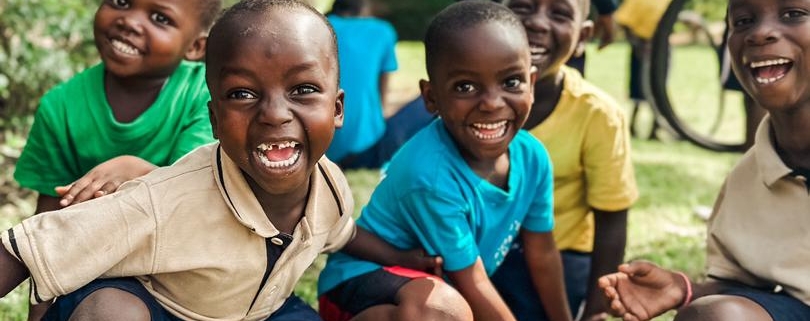
In Uganda, a country rich in diversity and culture, children and young people face numerous threats to their mental health. Challenges such as poverty, family instability, chronic health problems, and exposure to domestic and political violence can severely impact young Ugandans’ well-being, and these problems have been compounded by school closures and other factors during the pandemic. Amid these adversities, getting a high-quality education offers not just job and life skills, but a sturdy foundation for mental health.
Here’s how — and how you can lend support.
Clearly, education in Uganda offers not just better socioeconomic prospects for the future, but essential mental health support for generations of young people. Yet education funding still falls woefully short of international standards, endangering these key benefits for students. You can help by supporting humanitarian educational nonprofits — and there have never been more ways to do so.
Simone’s Kids in Nakaseke, Uganda, provides high-quality Christian education and meets basic needs for children in order to help them break the cycle of poverty. Besides learning, these include a nurturing environment with access to clean water, safety measures, school sports, vocational training, and an on-site medical clinic. This not only prepares students for a brighter future, but works to strengthen their mental health in the process. Contact us to learn more!
You can maximize your impact with recurring donations to Simone’s Kids by joining The Village. The Village is a passionate group of donors committed to bettering the lives of children in Uganda by making monthly donations that help to provide better meals, more teachers, more activities, and even post-graduation services. You can even choose which level of education you’d most like to support (or support them all)! Give today!
If you’re like countless people looking for ways to give back to your community, but are looking for meaningful and budget-friendly forms of giving, there’s good news: there are plenty of options that go beyond the typical one-time donation of money. The popularity of making a positive difference in the world in recent years, combined with new technological capabilities, has given rise to a wealth of creative giving options, allowing individuals to contribute in ways that align with their lifestyles and values. Here are some ways you can do this.
Here are just a few ways to support nonprofit organizations for free.
In the age of connectivity, your voice carries more power than you might realize. Raising awareness about a nonprofit within your social circles and across social media platforms can significantly amplify its reach and impact. Encourage friends and followers to donate, volunteer, or simply spread the word. If you have ties to an influential figure who can help, consider reaching out to them and the organization to make introductions.
Donating goods or assets — such as stocks, unused vehicles, or everyday supplies — can provide crucial support to nonprofits. This form of donation not only aids the organization directly, but can also offer you tax benefits. Check your nonprofit’s giving options and “wish list” to see if you own something that would be useful.
Donating your time and skills through volunteering remains one of the most impactful ways to support nonprofits. Volunteering allows you to witness firsthand the organization’s work, contributing to its success while gaining a deeper understanding and connection to the cause.
If you’re able to give money, here are some fun and meaningful ways to do it.
The rise of digital currencies has introduced a fresh avenue for philanthropy. Donating cryptocurrency to nonprofits that accept it is not only tax-efficient, but also extends your contribution’s reach, especially in global initiatives.
Humanitarian nonprofits often offer child sponsorship programs. These offer a personal touch to giving, allowing donors to directly support the education, health, and overall well-being of a child in need. You’ll receive regular updates on the child’s progress and how your contributions are making a tangible difference.
Signing up for recurring donations provides a reliable stream of support that organizations can count on. They also increase your impact, as giving even a small amount typically adds up to more than the average one-time donation over time. Because they’re automatic, you can give each month without lifting a finger.
There are many ways you can enlist your company to support a nonprofit. For example, you can ask about donation matching, in which your employer gives as much as you do. If your company has a corporate social responsibility (CSR) department, it can offer support in many more ways.
Planned giving, or making a bequest in your will, represents a profound way to leave a lasting legacy that transcends your lifetime.
Simone’s Kids in Nakaseke, Uganda, provides high-quality education and meets basic needs for children in order to help them break the cycle of poverty. Besides learning, these include access to clean water, safety measures, school sports, and an on-site medical clinic.
Your donations help pay for monthly tuition and purchase school supplies, textbooks, food, and other necessities for Ugandan students. You can donate money, stocks, and cryptocurrency, and you can see if your employer participates in a matching donation program that will double your gift. You can also support us by following us on Facebook, YouTube, or Instagram and using your social media influence to raise awareness around our projects and impact.
You can maximize your impact with recurring donations to Simone’s Kids by joining The Village. The Village is a passionate group of donors committed to bettering the lives of children in Uganda by making monthly donations that help to provide better meals, more teachers, more activities, and even post-graduation services. You can even choose which level of education you’d most like to support (or support them all)! Give today!
Meaningful Ways to Celebrate Easter This Year
For Christians, Easter celebrates the resurrection of Jesus Christ, the forgiveness of sins, the ability to be “reborn” in faith, and the opportunity to spend one’s afterlife in Heaven. For non-Christians, parallel seasonal themes apply: the quintessential spring holiday represents rebirth, new life, and hope. No matter what your Easter celebration traditions are, it’s both possible and worthwhile to make this time more meaningful for you and those around you. Here are some ways to enhance the meaning of Easter this year.
Gratitude is the act of acknowledging and appreciating all that is good in our lives, and it can significantly enhance mental and emotional well-being. It’s not just a trite sentiment; taking time to cherish people, pets, assets, and positive outcomes can actually:
To get these benefits, consider regularly documenting everything you’re thankful for. If you’re having trouble accessing this mindset, consider the struggles that the residents of war-torn and low-income nations cope with on a daily basis. It may help in magnifying the value of your own quality of life, making Easter a true time of joy.
Empathy is one of the most basic, yet most important, forms of human connection. If you learn that someone is going through a difficult time, take a moment to consider how you’d feel (or have felt) in their position. This could be someone you know or love, a stranger in a public space, or entire communities you hear about in the news, such as the people of Ukraine, Palestine, Israel, or sub-Saharan nations in Africa.
Although you may not be able to solve their problems, offering your support with kind words, a gesture, or a resource of some kind can go a long way toward providing hope and renewal for the people who need it most.
Volunteering your time and skills with a humanitarian nonprofit is a powerful way to embody the Easter ethos — and it’s also an effective way to maximize the number of people you can positively impact. These organizations work to address global human needs of every kind, from nutrition and healthcare to education and job skills. Engaging in volunteer work not only aids those in need, but will also enrich your life with fresh purpose and perspective.
Making a financial contribution to a humanitarian nonprofit is a powerful way to amplify their impact, particularly if you don’t have time to volunteer. Donations support the vital services these organizations provide and can enable nonprofits to expand their programming. You don’t have to be wealthy to support a nonprofit, either: options like employer donation-matching, cryptocurrency, and recurring donations offer affordable and impactful alternatives to one-time gifts.
This Easter, don’t just go through the usual holiday motions: explore ways to rejuvenate your worldview and provide people in need with the springtime gift of compassion, hope, and new life.
Simone’s Kids in Nakaseke, Uganda, provides high-quality primary and secondary education and meets basic needs for children in order to help them break the cycle of poverty. Besides learning, these include access to clean water, safety measures, school sports, and an on-site medical clinic.
Your donations help pay for monthly tuition and purchase school supplies, textbooks, food, and other necessities for Ugandan students. You can donate money, stocks, and cryptocurrency, and you can see if your employer participates in a matching donation program that will double your gift.
You can maximize your impact with recurring donations to Simone’s Kids by joining The Village. The Village is a passionate group of donors committed to bettering the lives of children in Uganda by making monthly donations that help to provide better meals, more teachers, more activities, and even post-graduation services. You can even choose which level of education you’d most like to support (or support them all)! Give today!
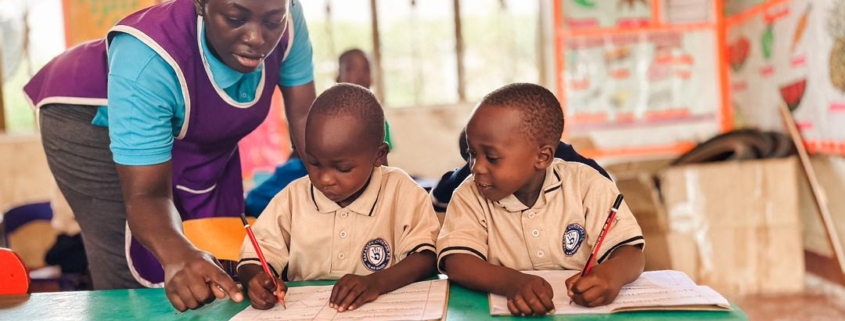
Christian education plays a pivotal role in developing the minds of new generations, especially within low-income, resource-constrained countries. It not only imparts academic knowledge, but also values and ethics foundational to developing responsible citizens and leaders. By integrating faith with learning, Christian education in developing countries offers a holistic approach that nurtures the moral, spiritual, and intellectual facets of students.
Here’s how.
Christian education emphasizes moral integrity and ethical leadership, principles that are crucial in the politics and socioeconomic development of low-income countries. This is especially important in nations where violence, greed, and corruption go hand in hand with poverty. By instilling values such as honesty, justice, and compassion, faith-based education prepares students to navigate complex ethical dilemmas, promoting transparent governance and moral policies as Christian leaders.
A core tenet of Christianity is the commitment to service and social engagement. This approach encourages students to contribute positively to their communities, fostering a sense of empathy and responsibility. Through this lens and hands-on learning done through various school projects, such as creating and maintaining community gardens, students learn the importance of civic participation, directly contributing to the social and economic improvement of their communities.
Christian education in low-income countries can also lead to improved learning outcomes. Students from Christian schools frequently outperform their public school peers in academic achievement. This can be at least partly attributed to supportive learning environments, high expectations, and an emphasis on self-discipline and personal growth within Christian educational institutions.
In today’s interconnected world, fostering global citizenship is paramount. Christianity’s emphasis on universal values and ethics can prepare students to engage with diverse cultures and perspectives more respectfully and thoughtfully. By teaching students to appreciate the interconnectedness of the global community, Christian education lays the foundation for informed and compassionate global citizenship.
Simone’s Kids in Nakaseke, Uganda, provides high-quality Christian education and meets basic needs for children in order to help them break the cycle of poverty. Besides learning, these include access to clean water, safety measures, school sports, and an on-site medical clinic.
Your donations help pay for monthly tuition and purchase school supplies, textbooks, food, and other necessities for Ugandan students. You can donate money, stocks, and cryptocurrency, and you can see if your employer participates in a matching donation program that will double your gift.
You can maximize your impact with recurring donations to Simone’s Kids by joining The Village. The Village is a passionate group of donors committed to bettering the lives of children in Uganda by making monthly donations that help to provide better meals, more teachers, more activities, and even post-graduation services. You can even choose which level of education you’d most like to support (or support them all)! Give today!
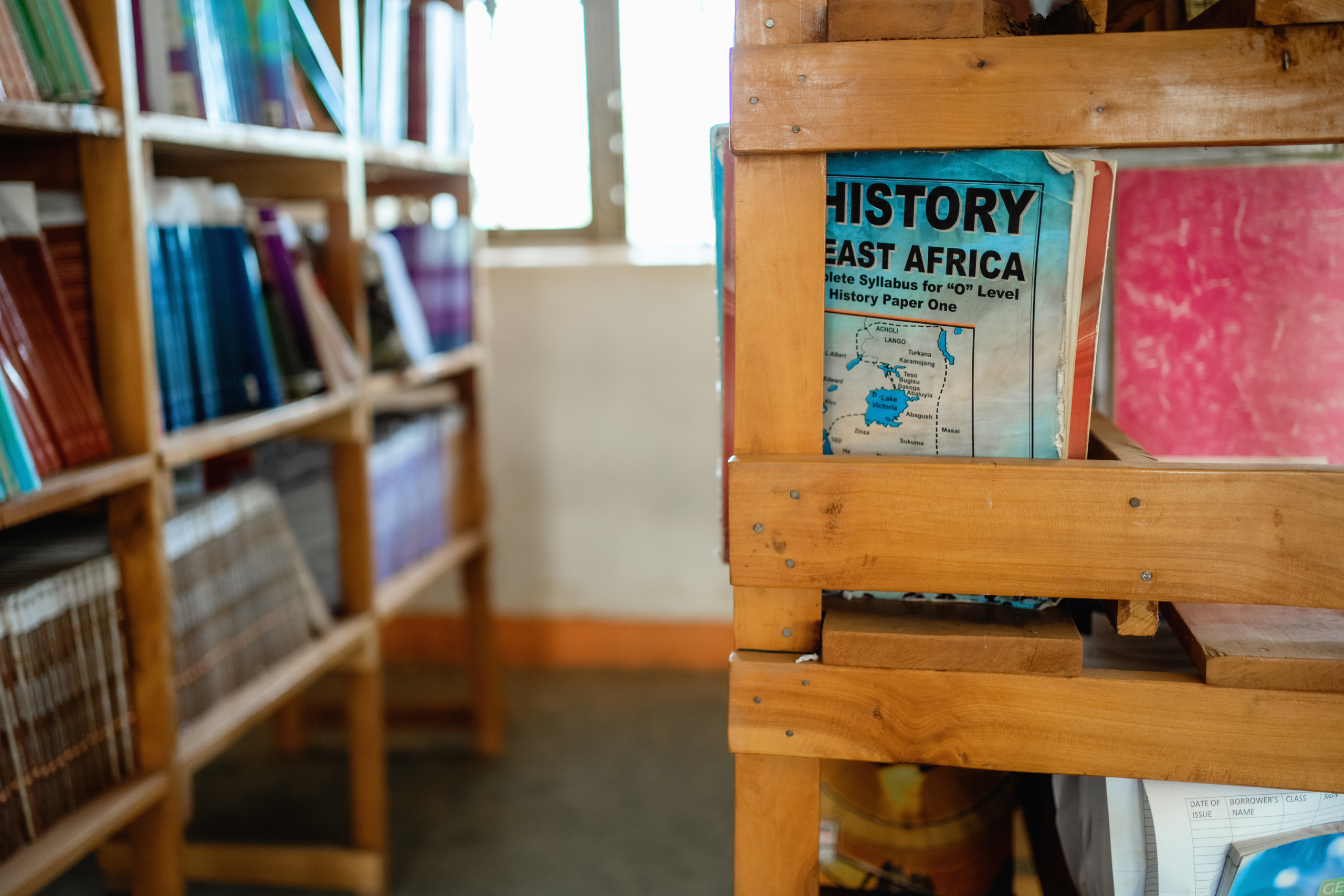
World Book Day, observed annually on April 23, stands as a global celebration of books and reading. Initiated by UNESCO in 1995, this day underscores the joy of reading and the enduring power of literature in shaping societies. It also marks the birth and death anniversaries of prominent authors, including William Shakespeare and Miguel de Cervantes, weaving a tapestry of cultural and literary significance.
The day is celebrated in over 100 countries, each bringing a unique flavor to the festivities. From book-reading events to storytelling sessions, World Book Day fosters a love for reading, particularly among young minds. It’s a day where books become bridges, connecting diverse cultures and experiences, and promoting understanding and empathy across borders.
In Uganda, a country with a burgeoning young population, literacy is more than just the ability to read and write; it’s a vehicle for socio-economic development. As of 2022, the youth literacy rate in Uganda stood at approximately 81%. However, challenges such as limited access to educational resources, poverty, and regional disparities continue to hinder literacy growth.
Literacy in Uganda is critical for several reasons. It empowers individuals, enabling them to navigate the world more effectively and to make informed decisions about their lives and communities. Moreover, literacy is closely linked with improved health outcomes, increased economic opportunities, and stronger democratic participation, particularly for girls and women. For Uganda, investing in literacy is not just an educational priority, but a pivotal step towards sustainable development and poverty reduction.
World Book Day offers a unique opportunity to address literacy challenges in Uganda and elsewhere. Here are some ways to leverage this day for maximum impact:
Simone’s Kids is currently in the process of renovating the campus library. We are dedicated to enhancing the campus and providing students with the latest and best resources. We hope to improve THREE areas:
The new Ugandan curriculum stresses the significance of research. Our plan includes setting up a space with three new computers, improved tables, and desks to facilitate group work on upcoming research projects. Simone’s Kids wants to give students a safe and inviting environment to read, study, and collaborate in group settings.
This project requires a $15,000 budget, and we invite you to join us in our fundraising campaign over the next few weeks to renovate the library!
CLICK HERE to GIVE today!