Simone
  • About Us
    • News
    • Donation Details
  • Programs
    • Primary School
    • Highschool
    • Vocational School
  • Ways to Give
    • Sponsor A Child with Simone’s Kids
    • Village (Monthly Giving)
    • Specific Projects
    • Stocks & More
  • Contact
  • Get Involved
    • Trips
  • DONATE
  • FUNDRAISE
  • Click to open the search input field Click to open the search input field Search
  • Menu Menu

School Attendance in Uganda vs. the World

News

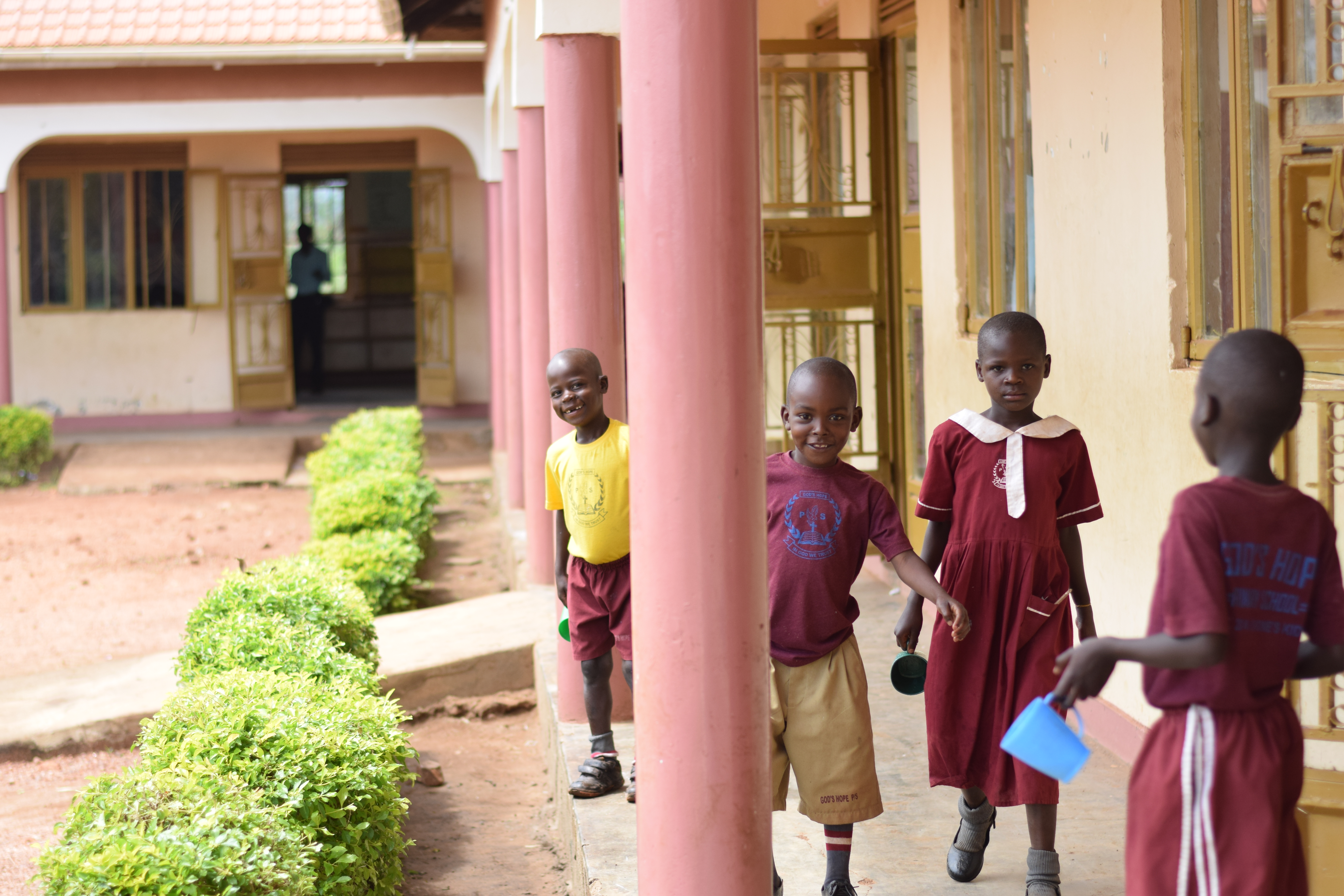
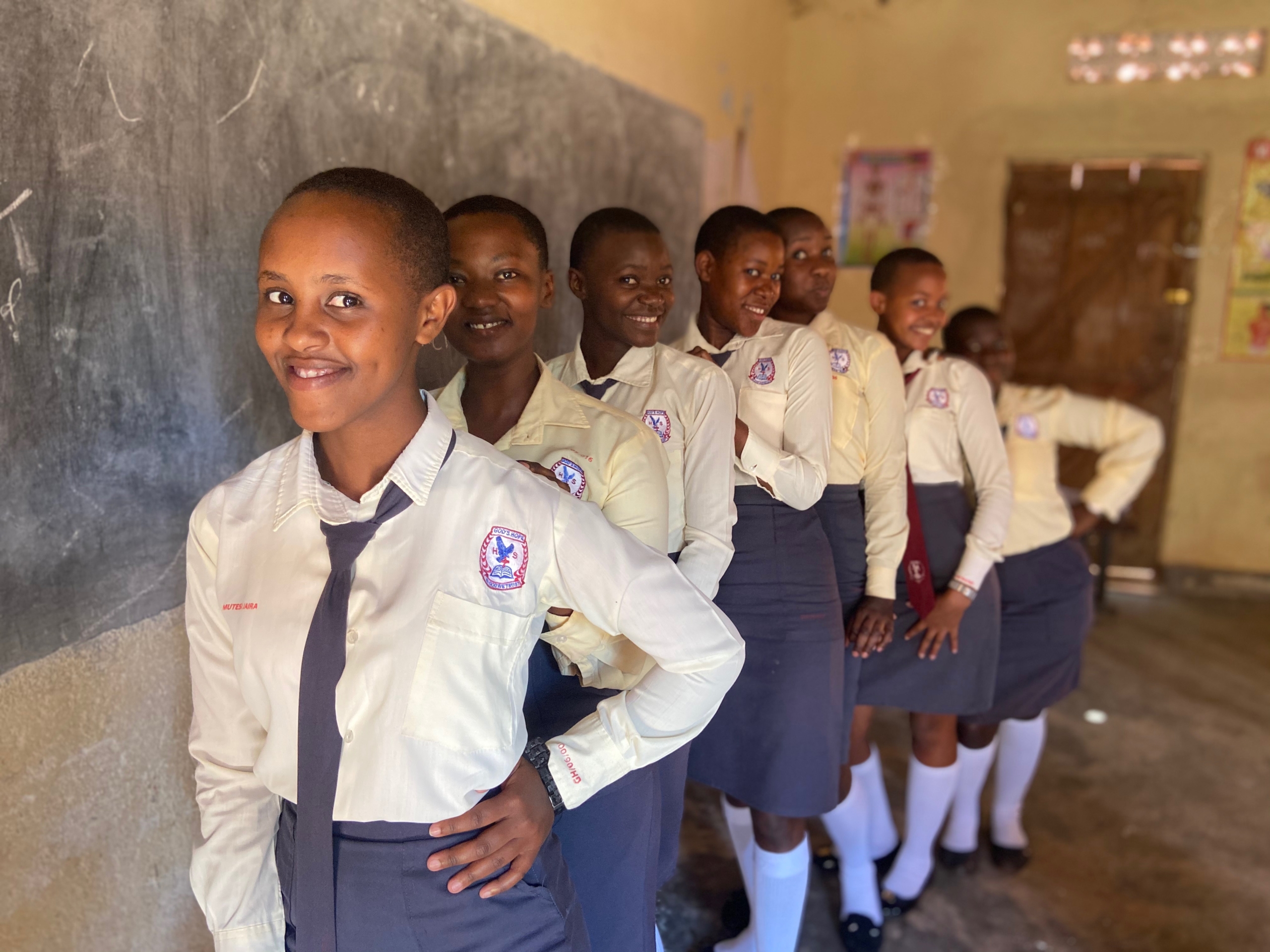
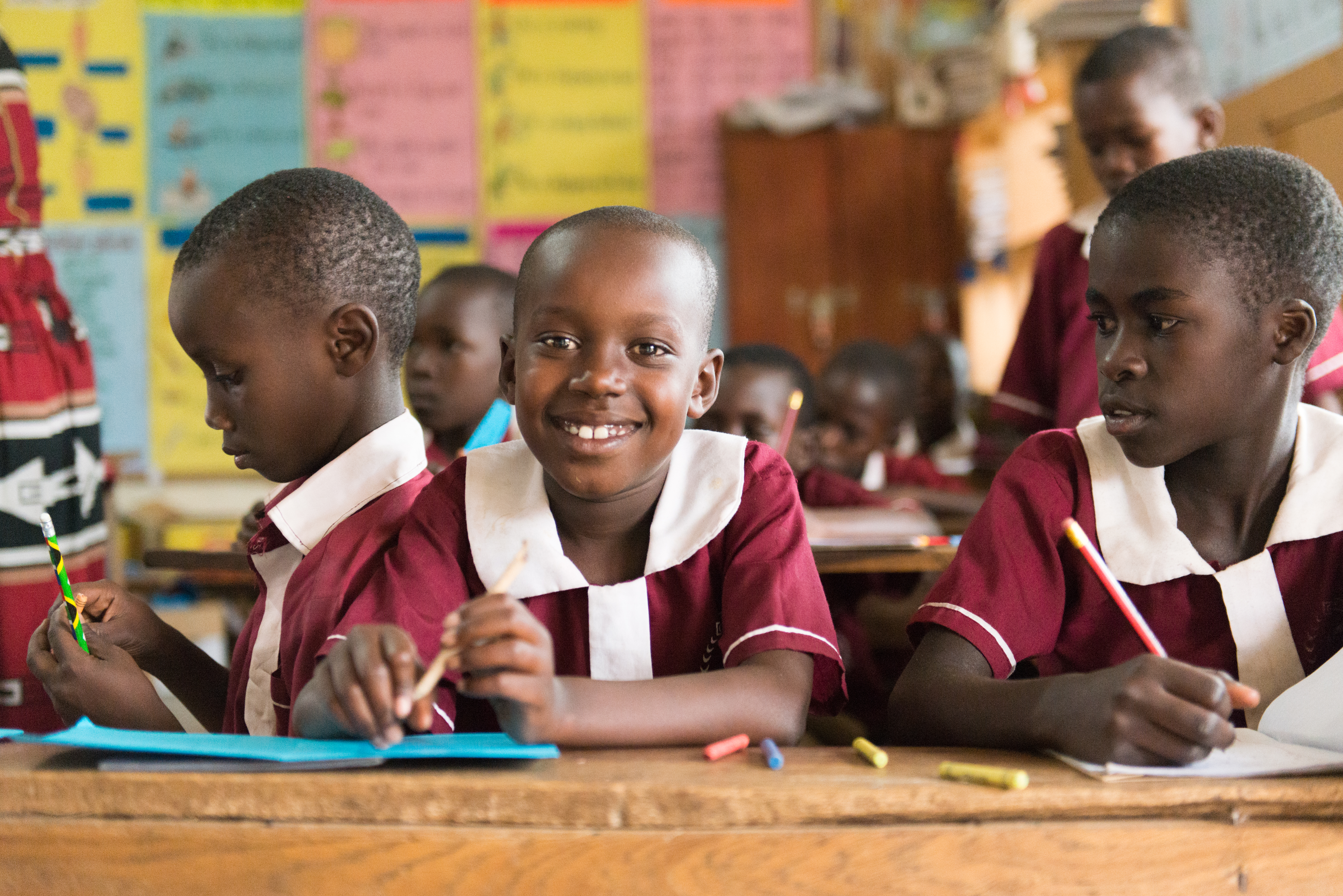
In the US, Europe, and other high-income parts of the world, students are returning to school as a predictable matter of course. Yet in many low-income countries, and particularly in sub-Saharan African countries like Uganda, going back to school is far from a given for millions of primary and secondary school students. Here’s a look at how Ugandan school attendance rates compare to global ones. 

Uganda’s School Attendance Rates

Even before the pandemic, Uganda had some of the lowest school attendance rates in the world. When its schools opened after the world’s longest pandemic lockdown—1 year and 7 months—attendance worsened significantly due to events that had befallen students in the meantime. Here are some helpful things to know about school attendance in Uganda:

  • Although pre-pandemic primary school attendance was fairly high (95% as 2013), secondary school attendance was lower, at only 34% in the same year. 
  • During school closures, up to a third of students got jobs or became pregnant and are now unlikely to complete their secondary school education. 
  • As of June 2022, secondary school attendance rates were only at 25%
Global School Attendance Rates
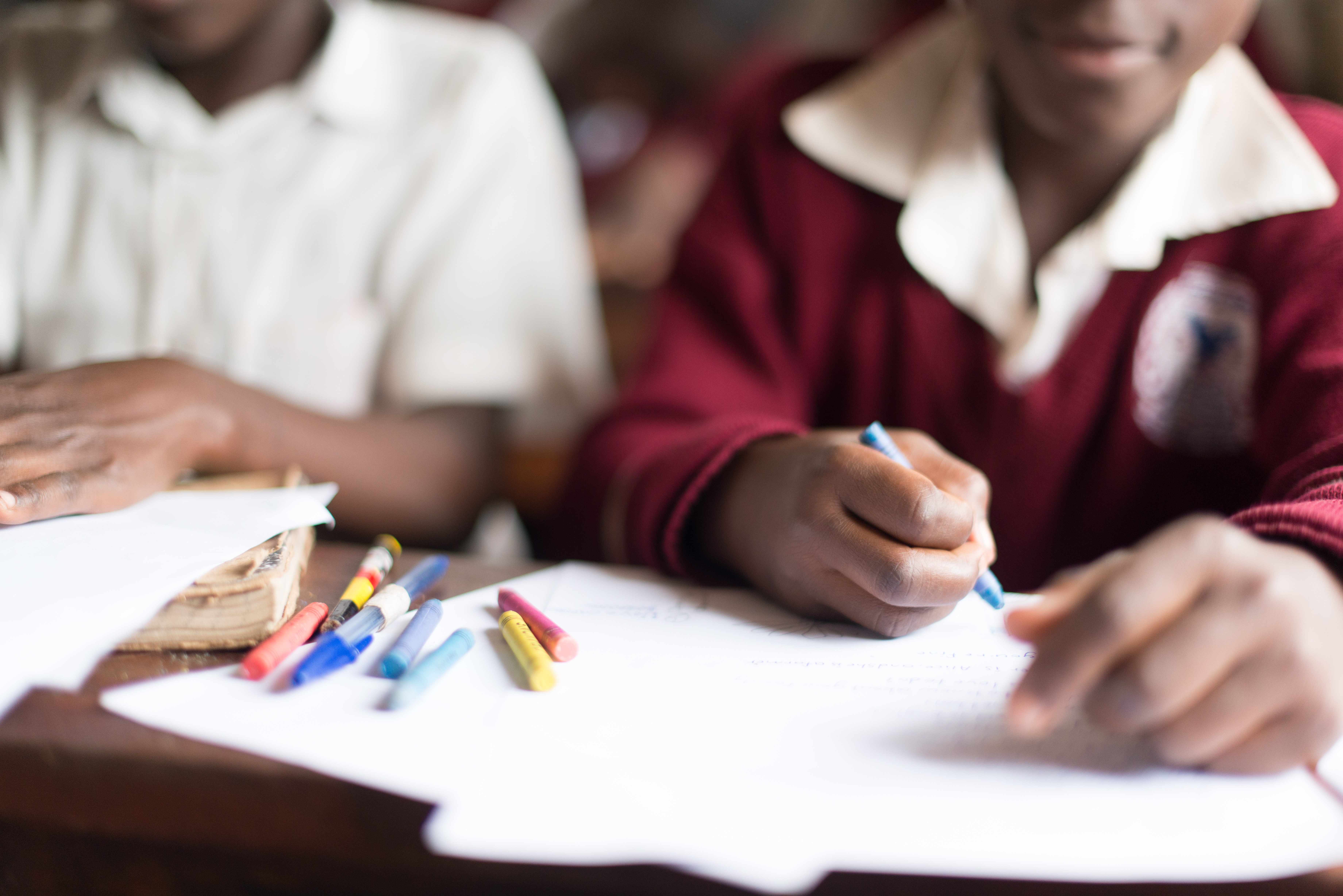
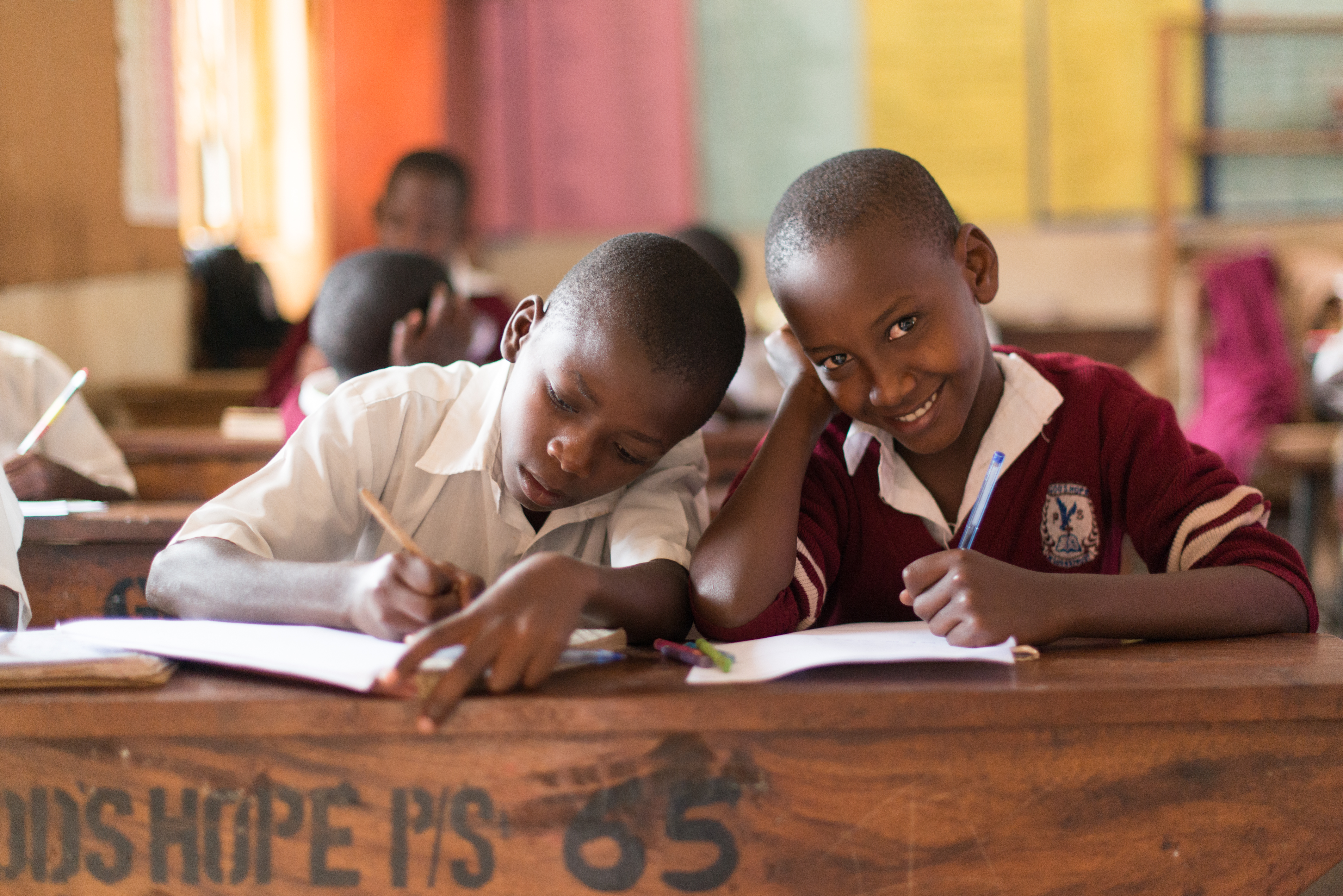
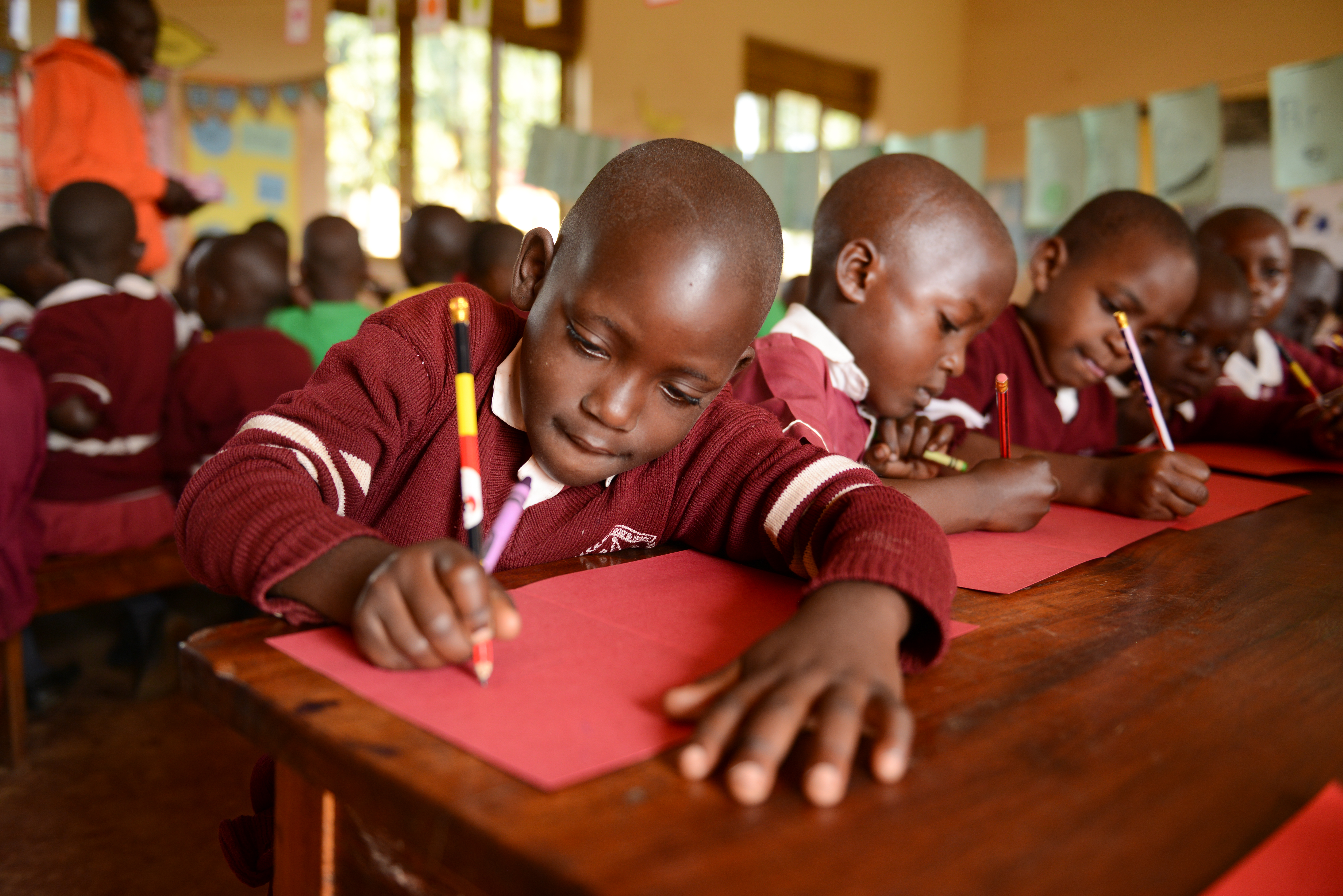
Here are some facts about global school attendance to compare with Uganda’s:

  • Before the pandemic (as of 2018), the average global primary school attendance rate was 89%, and the secondary school attendance rate was 66.27%. 
  • As of 2019, more than half of primary school-aged children who dropped out of school lived in sub-Saharan Africa.
  • In 2021, only about 67% of lower secondary school students (aged 12-16) in the world were attending school, and only 50% of upper secondary school students (aged 16-19) attended school or college.
  • At the height of pandemic-related global school closures, 1.6 billion students were out of school. Of those, half (810 million) lived in low-income countries.
  • As of 2022, over 888 million children worldwide are still facing disruptions in their education due to full and partial school lockdowns. 

Support Ugandan Students With Simone’s Kids

You can help improve school attendance rates for Ugandans by supporting schools and education programs, which provide children with the tools they need to build a more promising future. Simone’s Kids in Nakaseke, Uganda provides education and meets basic needs for children in order to help them break the cycle of poverty.

You can maximize your impact with recurring donations to Simone’s Kids by joining The Village. The Village is a passionate group of donors committed to bettering the lives of children in Uganda by making monthly donations that help to provide better meals, more teachers, more activities, and even post-graduation services.

You can also make a difference by shopping at the Simone’s Kids Store or donating to Simone’s Kids. Your gifts help purchase school supplies, textbooks, food, and other necessities for Ugandan students. Consider doubling your contribution by asking if your employer participates in a donation match. Give today!
September 6, 2022/0 Comments
https://www.simoneskids.org/wp-content/uploads/2020/01/A-Classroom-for-Christmas-Giving-Catalog-2018-1.jpg 1040 1560 Ellie Wooldridge https://www.simoneskids.org/wp-content/uploads/2026/01/Simones-Kids-Logo.png Ellie Wooldridge2022-09-06 17:45:482022-09-06 17:45:48School Attendance in Uganda vs. the World

Attending School Keeps Ugandan Girls Safer

News

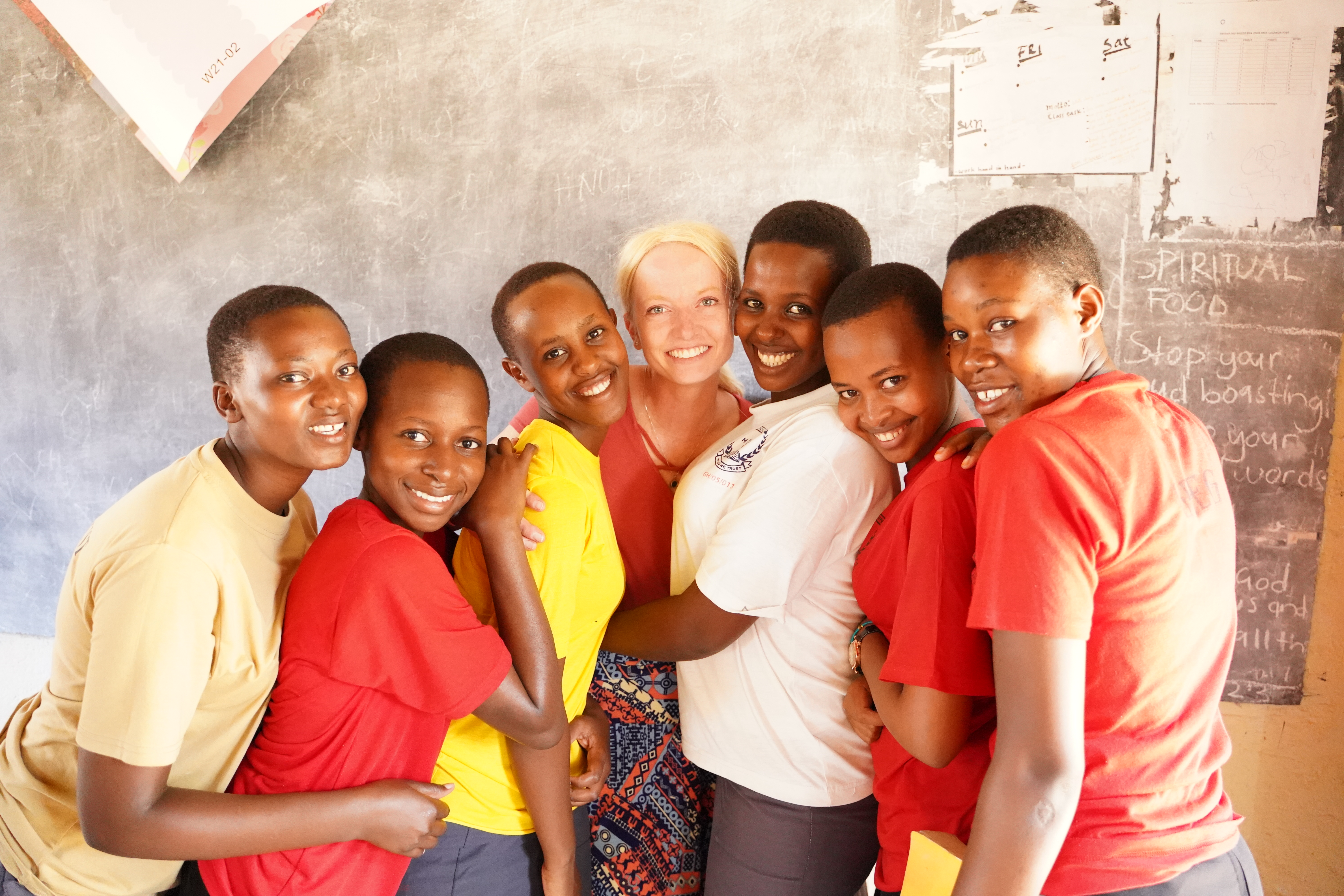
Ugandan girls are far likelier than boys to drop out of school for many reasons, such as poverty (elevating the need to work or marry for money), domestic labor burdens, and lack of access to girls-only restrooms and hygienic supplies. Girls in rural areas are even more likely to leave school early. Yet staying in school can help female students avoid a host of dangerous outcomes: illiteracy, unplanned pregnancy and single motherhood, unemployment, lack of access to school-sponsored health services, and child trafficking.

How School Attendance Helps Keep Ugandan Girls From Being Trafficked

As of 2018, over 2 million Ugandan children were involved in child labor, often as the result of human trafficking in Uganda. Child labor rates increased during pandemic school lockdowns, including the number of girls trafficked for commercial sexual exploitation.

However, keeping girls in school and providing the support they need to stay there can keep them safe from human traffickers and other dangers because of the following factors:

  • Girls in school are watched over by teachers and school administrators rather than being alone out in their communities, where they are more vulnerable
  • They are located in a space exclusively for children and teachers, where human traffickers cannot easily follow them
  • Greater levels of education help girls to make informed decisions about their lives and bodies
  • The more education girls attain, the more earning potential they have (10–25% more for each year of school), which can motivate them to stay in school and focus on a career rather than dropping out and becoming vulnerable to exploitation 

In addition, educating families and children about the dangers of human trafficking can help keep students in school and make them less likely to be lured or coerced into this industry. 

Help Protect Female Ugandan Students With Simone’s Kids

You can help improve school attendance rates for Ugandans—especially for girls—by supporting schools and education programs, which provide children with the tools they need to build a more promising future. Simone’s Kids in Nakaseke, Uganda provides education and meets basic needs for children in order to help them break the cycle of poverty.

You can maximize your impact with recurring donations to Simone’s Kids by joining The Village. The Village is a passionate group of donors committed to bettering the lives of children in Uganda by making monthly donations that help to provide better meals, more teachers, more activities, and even post-graduation services.

You can also make a difference by shopping at the Simone’s Kids Store or donating to Simone’s Kids. Your gifts help purchase school supplies, textbooks, food, and other necessities for Ugandan students. Consider doubling your contribution by asking if your employer participates in a donation match. Give today!
September 6, 2022/0 Comments
https://www.simoneskids.org/wp-content/uploads/2021/08/IMG-3367-scaled.jpeg 1920 2560 Ellie Wooldridge https://www.simoneskids.org/wp-content/uploads/2026/01/Simones-Kids-Logo.png Ellie Wooldridge2022-09-06 17:17:112022-09-06 17:21:21Attending School Keeps Ugandan Girls Safer

Job Opportunities for Educated Ugandans

News

Uganda’s population growth rate currently exceeds the number of job openings, and even college graduates face stiff labor market competition. However, as private firms begin to invest in labor industries, they also expand the formal job market for young Ugandans who graduate from secondary school and college. Here are the sectors expected to grow the fastest and offer the best job opportunities in Uganda if this trend continues:

  • Information and Communications Technology (ICT). The Ugandan ICT market includes technology around cell phone, internet, computer, and social media usage as well as broadcasting services. Uganda’s ICT market is growing by more than 25% annually, and job candidates will need education in website and software development and other IT skills to succeed in this field.
  • Tourism. Tourism has become an increasingly important industry for Uganda in the last decade. The documented need for improvements in local transport and visitor information indicates that Ugandans who can speak multiple languages and are knowledgeable in history and geography may be able to capitalize on it.
  • Agro-Processing. Agro-processing transforms agricultural, fishery, and forestry resources into usable food and industrial products. Jobs in this industry don’t necessarily require high skill levels, but do offer better pay than agriculture jobs. Ugandans with engineering and technology training can increase agro-processing revenue by reducing waste, improving productivity, and diversifying product uses. 
  • Horticulture. Uganda has an excellent climate for growing flowers and produce, and horticulture is an important means for small-scale farmers to escape poverty. Floriculture is the fastest-growing subsector. Although many floriculture workers are unskilled, there are increasing medium-skill job opportunities for Ugandans with training in biology and cultivation management.

Young Ugandans who want to avoid unemployment and underemployment as adults will need to complete secondary and post-secondary education. Yet many children—especially girls—face significant barriers to a high-quality education in Uganda. Female graduates stand to gain not only safer and better jobs, but more personal and cultural empowerment as well.

Support Ugandan Students With Simone’s Kids

You can help improve job prospects for Ugandans by supporting schools and education programs, which provide children with the tools they need to build a more promising future. Simone’s Kids in Nakaseke, Uganda provides education and meets basic needs for children in order to help them break the cycle of poverty. 

You can maximize your impact with recurring donations to Simone’s Kids by joining The Village. The Village is a passionate group of donors committed to bettering the lives of children in Uganda by making monthly donations that help to provide better meals, more teachers, more activities, and even post-graduation services. 

You can also make a difference by shopping at the Simone’s Kids Store or donating to Simone’s Kids. Your gifts help purchase school supplies, textbooks, food, and other necessities for Ugandan students. Consider doubling your contribution by asking if your employer participates in a donation match. Give today!

August 15, 2022/0 Comments
https://www.simoneskids.org/wp-content/uploads/2022/08/DSC02026.jpg 0 0 Ellie Wooldridge https://www.simoneskids.org/wp-content/uploads/2026/01/Simones-Kids-Logo.png Ellie Wooldridge2022-08-15 18:04:462022-08-15 18:04:46Job Opportunities for Educated Ugandans

Traditional Education vs. Vocational Training in Uganda

News

Formal Education in Uganda

Traditional education in Uganda starts with 7 years of primary school that begin at age 6. Afterward, students must pass an exam to receive a Primary Leaving Certificate (PLC). Next, students complete 4 years of lower secondary education, which culminates in exams for the Uganda Certificate of Education (UCE). 

UCE recipients have 3 options: continue to 2 years of upper secondary school, enroll in vocational school or a teacher training program, or enter the workforce. Upper secondary education culminates in examinations for the Uganda Advanced Certificate of Education (UACE), and graduates can enter the workforce or proceed to higher education.

The Benefits of Formal Education in Uganda

From the national education structure alone, it’s clear that achieving a UACE allows students the greatest number of options for their futures. The more formal education they receive, the more doors young Ugandans can keep open for themselves. In 2018, high-skilled workers made roughly double the wages of low-skilled workers; in 2019, 20.3% of Ugandans lived in poverty; and in 2020, only 1 in 5 had paid work. This means that earning at least a UCE or UACE is essential for avoiding poverty, and a college degree can lead to the highest-paying jobs. 

Vocational Training in Uganda

However, there are significant barriers to attaining even the UCE in Uganda, and higher education is largely unaffordable. Fortunately, vocational training programs are now available for both PLC and UCE holders, and they can be completed in 1-2 years. These programs are even designed to allow students to complete them concurrently with their secondary education.

The Benefits of Vocational Training in Uganda

Vocational education gives UCE graduates the skills needed to enter a variety of industries with medium-skilled jobs: catering, hotel management, metalworking, auto repair, tailoring, electrical wiring, and hairdressing. These skills have been proven to offer Ugandans better earnings and job mobility over time than employment without vocational training. Given that even college graduates face steep competition in the job market, vocational education is currently a reliable path to gainful employment, if not necessarily the highest-paid employment possible.

Support Ugandan Students with Simone’s Kids

You can help improve job prospects for Ugandans by supporting schools and education programs, which provide children with the tools they need to build a more promising future. Simone’s Kids in Nakaseke, Uganda provides education and meets basic needs for children in order to help them break the cycle of poverty. Learn more about our Vocational Program and how we are helping set our students up for a successful future!

You can maximize your impact with recurring donations to Simone’s Kids by joining The Village. The Village is a passionate group of donors committed to bettering the lives of children in Uganda by making monthly donations that help to provide better meals, more teachers, more activities, and even post-graduation services. 

You can also make a difference by shopping at the Simone’s Kids Store or donating to Simone’s Kids. Your gifts help purchase school supplies, textbooks, food, and other necessities for Ugandan students. Consider doubling your contribution by asking if your employer participates in a donation match. Give today!

August 11, 2022/0 Comments
https://www.simoneskids.org/wp-content/uploads/2022/08/DSC02084.jpg 0 0 Ellie Wooldridge https://www.simoneskids.org/wp-content/uploads/2026/01/Simones-Kids-Logo.png Ellie Wooldridge2022-08-11 16:51:302022-08-11 16:51:30Traditional Education vs. Vocational Training in Uganda

The Need for Foot Protection in Africa and Uganda

News

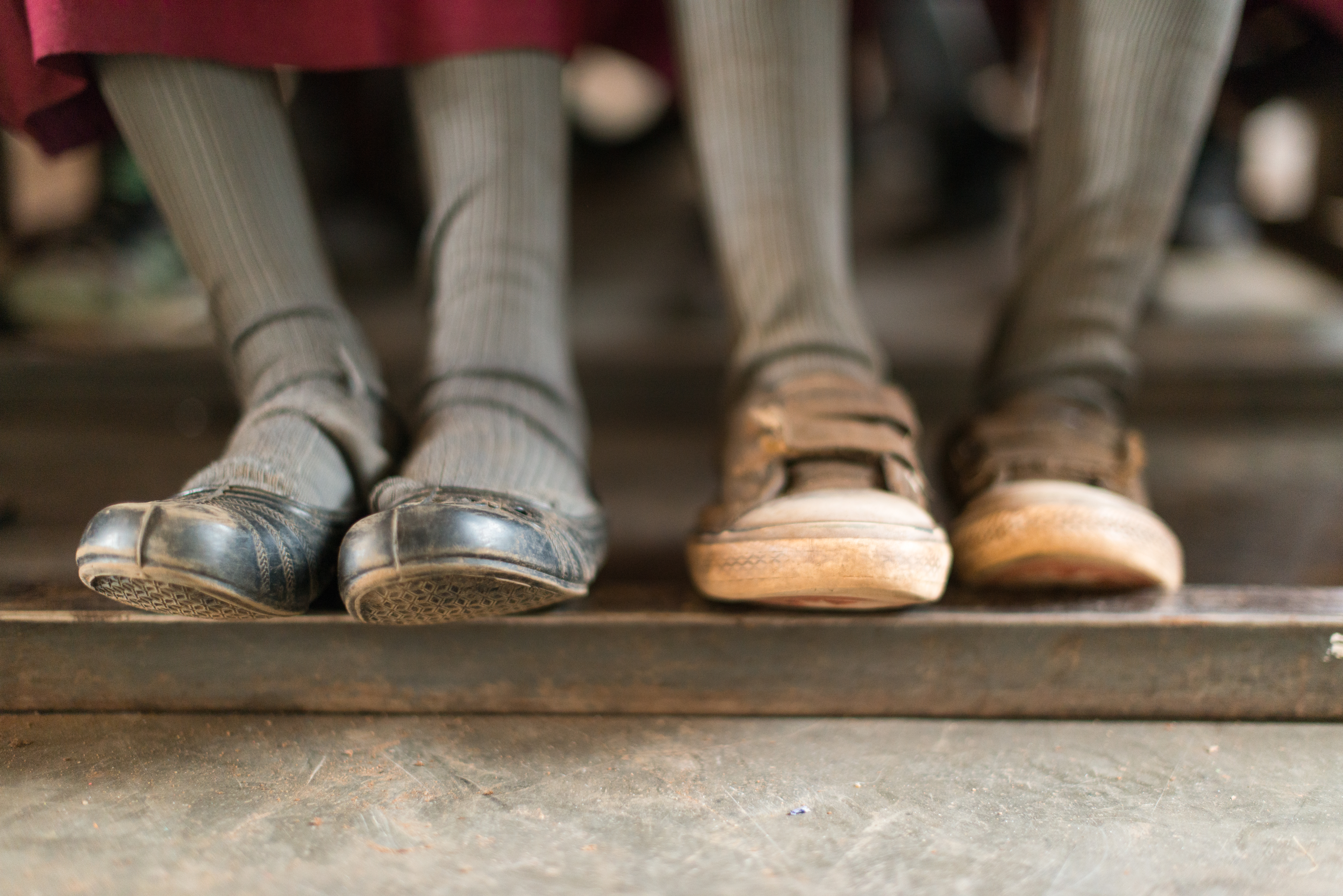
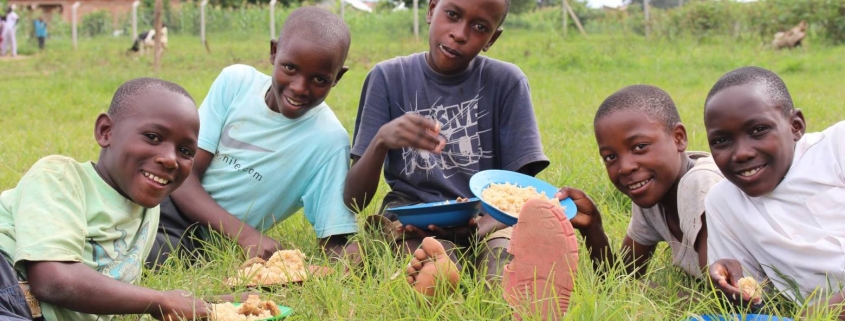
Although many people look primarily for performance, style, and comfort in our shoes, our footwear also serves important protective purposes. Not wearing shoes leaves children and adults in various parts of Africa—including Uganda—vulnerable to some debilitating diseases and infections. 

Podoconiosis 

Podoconiosis is a disease that develops through walking barefoot on volcanic soil for years at a time. It causes the legs, feet, and toes to swell and can leave sufferers unable to walk. It also causes the skin to thicken and split, which leads to ulcers and infections. This disease is as stigmatized as it is prevalent in African societies; it also interferes with the ability of children to go to school and with the ability of adults to go to work.

Podoconiosis can be prevented by washing soil off of the feet or by wearing shoes. However, it’s difficult to reach clean water sources for washing in some communities, and shoes may be unaffordable for many. As is the case with public health issues anywhere, education on the contraction and spread of common diseases is necessary in Uganda and other affected African communities. Public education will improve efforts toward disease prevention, treatment, and destigmatization. 

Helminth Infections: Definition and Cause

Helminth infections are soil-transmitted parasitic worm infections. They are one of the most common global infections, and they impact low-income communities the hardest. In areas where there is inadequate sanitation and footwear available, these parasites are transmitted through contaminated soil. There are three main types of parasites that cause these infections: the roundworm, hookworm, and whipworm.

Like podoconiosis, helminth infections can be prevented by wearing closed-toe shoes. However, as one Ugandan farmer explains, many people either don’t possess element-resistant shoes, or only own one pair that they don’t want to get dirty. In addition, many communities are located far from health centers, which makes it difficult for people to get treatment for helminth and other infection types.

In conjunction with increasing the number of clean water sources and making medical treatment more readily available in African communities, the best way to help prevent common infections and diseases is to improve health education. This is especially true in the case of young children, who are most vulnerable to health-related hardships.

Support Ugandan Students With Recurring Donations
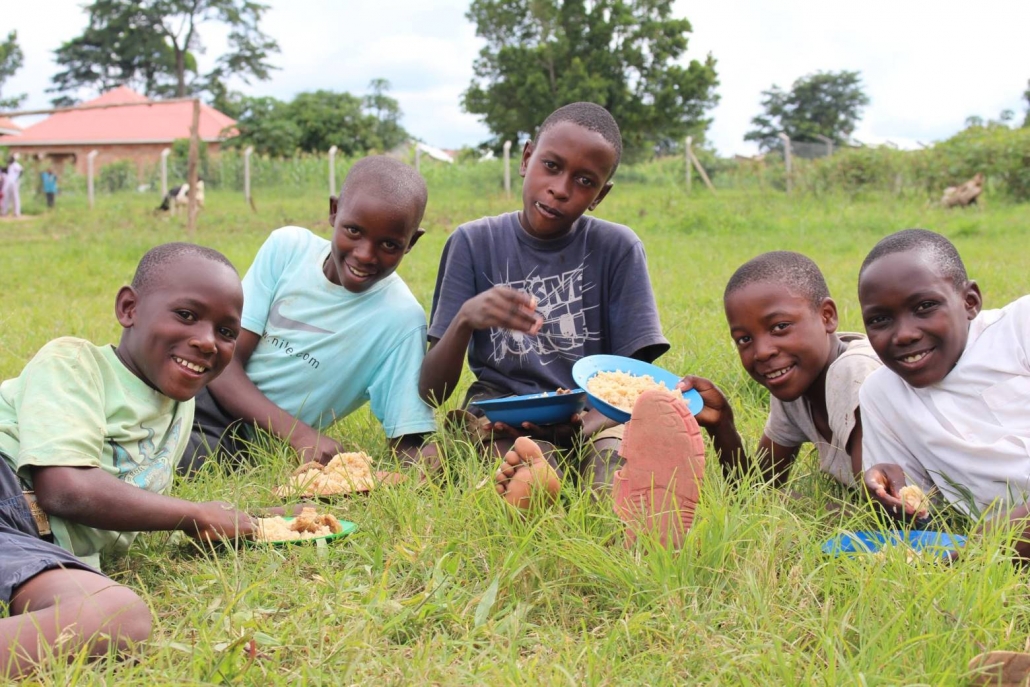
You can help improve the quality of life for Ugandans by supporting schools and education programs, which provide children with the tools they need to build a more promising future. Simone’s Kids in Nakaseke, Uganda provides education and meets basic needs for children in order to help them break the cycle of poverty. 

You can maximize your impact with recurring donations to Simone’s Kids by joining The Village. The Village is a passionate group of donors committed to bettering the lives of children in Uganda by making monthly donations that help to provide better meals, more teachers, more activities, and even post-graduation services. 

You can also make a difference by shopping at the Simone’s Kids Store or donating to Simone’s Kids. Your gifts help purchase school supplies, textbooks, food, and other necessities for Ugandan students. Consider doubling your contribution by asking if your employer participates in a donation match. Give today!

July 20, 2022/0 Comments
https://www.simoneskids.org/wp-content/uploads/2022/07/sk_2019-172.jpg 0 0 Ellie Wooldridge https://www.simoneskids.org/wp-content/uploads/2026/01/Simones-Kids-Logo.png Ellie Wooldridge2022-07-20 17:09:282022-08-11 16:31:28The Need for Foot Protection in Africa and Uganda

WORLD MALARIA DAY

News

We are hoping to raise $5,000 dollars to help continuously fight malaria by replenishing the medical supplies at our school clinic!

AMOUNT RAISED:
DONATE HERE


The Causes and Prevention of Malaria

The Causes and Prevention of Malaria

Uganda has the 3rd highest prevalence of malaria in the entire world, with over 90% of its population considered at risk for the disease. Here are some key things to know about malaria in Uganda.

Malaria is transmitted to humans when they are bitten by an infected female Anopheles mosquito. Cases of malaria naturally increase during Uganda’s rainy seasons, which occur between March and May and from September to November. The three most effective ways to prevent this disease are vector control (preventing human-mosquito contact), preventive chemotherapy, and vaccines:

  • Vector control. Vector control is accomplished by killing mosquitoes and protecting humans from mosquito bites. The most effective and economical strategies are using insecticide-treated nets (ITN) and indoor residual sprays (IRS).
  • Preventive chemotherapy. Preventive chemotherapy refers to the use of one or more medicines to prevent malaria infections and symptoms. These are safe and cost-effective, and are intended to be used in conjunction with vector control methods.
  • Vaccines. There is also an effective vaccine available called the RTS,S/AS01. The World Health Organization (WHO) recommends that it be administered to children who live in regions with moderate to high infection rates. 

The Costs of Malaria

Malaria has a crippling effect on Ugandan lives, medical centers, and economies. It is the leading cause of death in the nation, particularly among children. In 2020 alone, the WHO reported about 20.4 million cases of malaria in Uganda and over 30,900 related deaths. The disease accounts for 30%-50% of outpatient cases and 15%-20% of all hospital admissions. Cases and deaths cause over $500 million in economic losses each year.

Malaria symptoms include fever and other flu-like complaints as well as anemia and jaundice. Severe cases can result in kidney failure, seizures, coma, and death.

In conjunction with making prevention and medical treatment more readily available in Uganda, the best way to help prevent common infections and diseases is to improve health education. This is especially true in the case of young children, who are most vulnerable to health-related hardships.

Support Ugandan Students With Recurring Donations
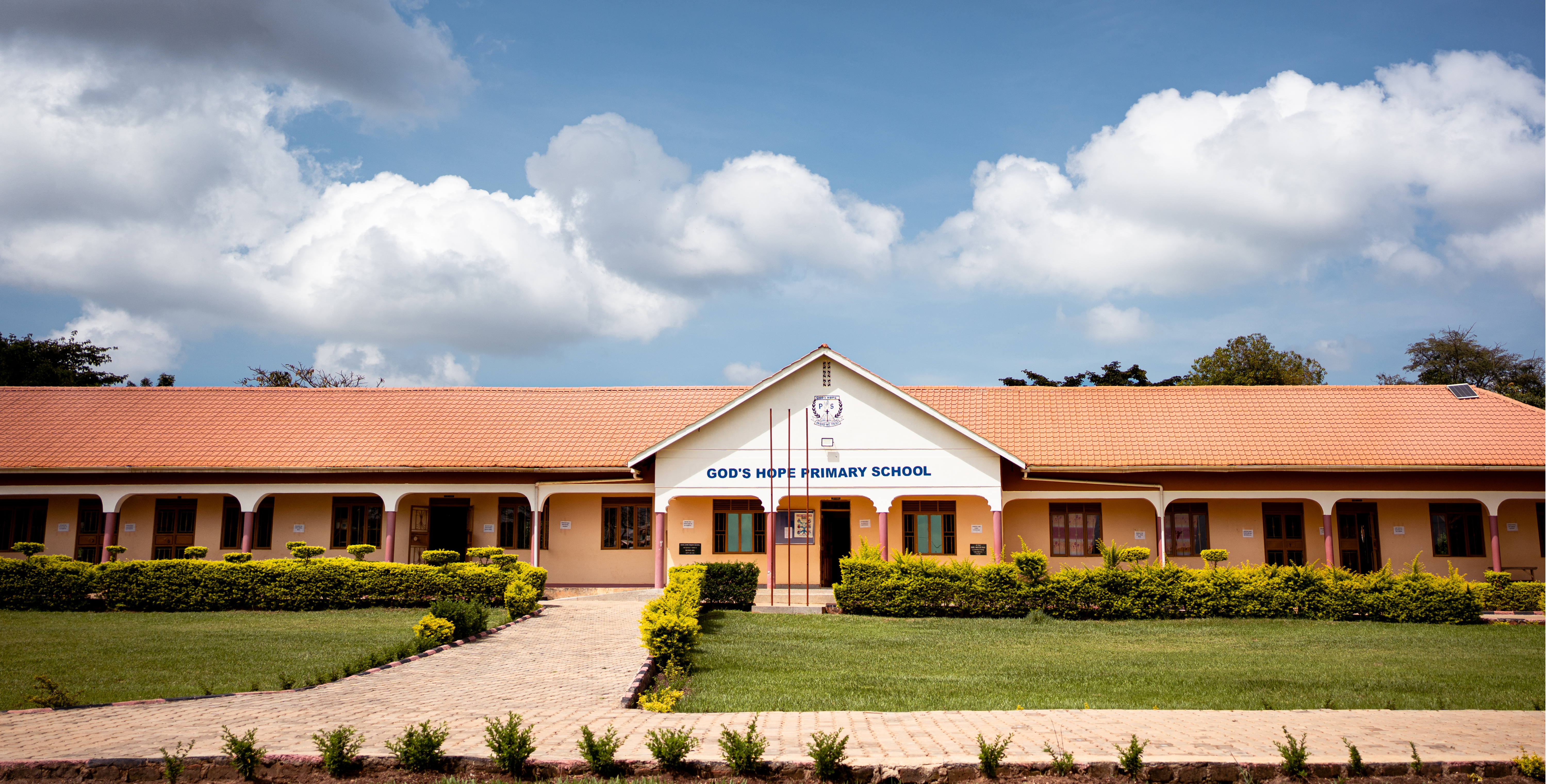
In the past year, Simone’s Kids treated roughly 800 cases of malaria on campus. You can help improve the quality of life for Ugandans by supporting schools and education programs, which provide children with the tools they need to build a more promising future. Simone’s Kids in Nakaseke, Uganda provides education and meets basic needs for children in order to help them break the cycle of poverty. Make a donation today!

You can maximize your impact with recurring donations to Simone’s Kids by joining The Village. The Village is a passionate group of donors committed to bettering the lives of children in Uganda by making monthly donations that help to provide better meals, more teachers, more activities, and even post-graduation services. 

July 20, 2022/0 Comments
https://www.simoneskids.org/wp-content/uploads/2022/07/Uganda_2016-178-1024x683-1.jpg 683 1024 Ellie Wooldridge https://www.simoneskids.org/wp-content/uploads/2026/01/Simones-Kids-Logo.png Ellie Wooldridge2022-07-20 16:56:522023-04-19 18:10:30WORLD MALARIA DAY

The Impact of Nonprofits in Uganda

News

The Impact of Nonprofits in Uganda

Uganda is currently experiencing a number of crises related to water and sanitation, the environment, human health, and human rights. Fortunately, there are currently over 2,000 Ugandan charity organizations working hard to make the nation a stronger, healthier place to live. Among the most pressing concerns are gender inequality and education in Uganda. Non-governmental organizations (NGOs) and nonprofit organizations with missions in these areas are essential for helping future generations of Ugandans attain a higher quality of life. 

Here are just a few examples of the positive impacts education and equity-related nonprofits have had over the last several decades: 

  • Maintaining sponsorship programs for the 270,000 orphaned children in the nation and supporting their primary and secondary education
  • Meeting the basic needs of students as they complete their education and preparing them for a future in which they can break the cycle of generational poverty
  • Operating programs that offer general educational support to children, students, and communities
  • Providing targeted agricultural and business education programs that help students overcome food insecurity and qualify for high-quality jobs
  • Championing girls’ education and working to change sexist attitudes toward women as domestic caregivers, which helps girls and women financially support themselves and their families
  • Developing programs to educate and empower adult women in low-income families and reduce gender-based violence, as well as train women for leadership roles.
  • Sponsoring students’ education, with a focus on empowering girls and women, and providing mentorship programs that train students in business skills, financial literacy, health, and sustainable agricultural methods
  • Creating and funding college scholarships for undergraduate and graduate students, particularly those who want to dedicate their lives to helping Uganda thrive

Support Ugandan Students With Recurring Donations
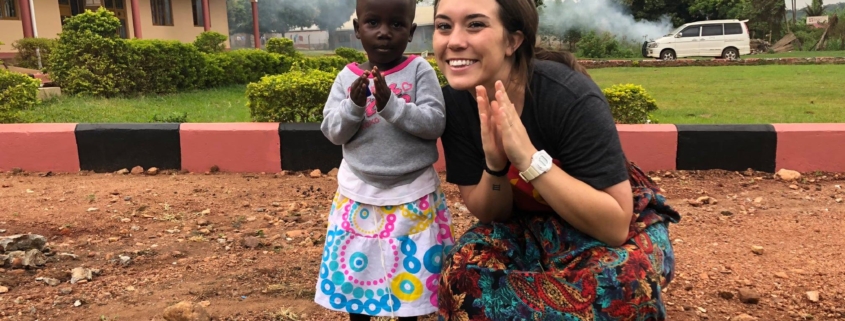
You can help nonprofits accomplish great things in Uganda by supporting its schools and education programs, which provide boys and girls alike with the tools they need to build a more promising future. Simone’s Kids in Nakaseke, Uganda provides education and meets basic needs for children in order to help them break the cycle of poverty. 

You can maximize your impact with recurring donations to Simone’s Kids by joining The Village. The Village is a passionate group of donors committed to bettering the lives of children in Uganda by making monthly donations that help to provide better meals, more teachers, more activities, and even post-graduation services. 

You can also make a difference by shopping at the Simone’s Kids Store or donating to Simone’s Kids. Your gifts help purchase school supplies, textbooks, food, and other necessities for Ugandan students. Consider doubling your contribution by asking if your employer participates in a donation match. Give today!

July 11, 2022/0 Comments
https://www.simoneskids.org/wp-content/uploads/2020/05/92589833_10158225207619444_5708471905338523648_o.jpg 720 960 Ellie Wooldridge https://www.simoneskids.org/wp-content/uploads/2026/01/Simones-Kids-Logo.png Ellie Wooldridge2022-07-11 15:20:122022-07-11 15:20:12The Impact of Nonprofits in Uganda

Facts About Quality of Life in Uganda and Africa

News

There are many ways to assess the quality of life in any country, but two major measurements include the poverty rate and expected lifespan for its population. Here’s how Uganda compares to the rest of Africa where these statistics are concerned.

How Ugandan Lifespan Compares to Those in Other African Nations

As of 2000, the average Ugandan had a life expectancy of only 47 years. Thanks to improvements in the amount of time students spend in school and in the gross national income (GNI), by 2016, Ugandans could expect to reach 60-65 years of age.

By comparison, the average person in Sub-Saharan Africa in 2000 had a lifespan of 50 years; as of 2016, this increased to 60 years, making Uganda roughly on par with most of the continent for life expectancy.

However, the average lifespan in Africa for northern countries was 70 years in 2000, and 74 years in 2016. This means Uganda has plenty of room for improvement, which can be accomplished by strengthening the national healthcare system. Although the country has had major successes in addressing the HIV/AIDs epidemic, some major current healthcare challenges include further addressing HIV and other communicable diseases like malaria and lower respiratory infections.

How Poverty in Uganda Compares With Other African Nations

Poverty in Africa is worst in Sub-Saharan countries, where in 1990, 56% of the population lived below the poverty line. As of 2018, this rate was reduced to 40%, but is currently not falling fast enough to keep up with population growth. 

By comparison, northern Africa has much lower poverty statistics, where data is available. Yet the extreme poverty rate has nearly doubled in the last decade, and as of 2017, at least 25% of children in the Middle East and North Africa (MENA) lived in poverty.

Uganda is one of the poorest nations globally. In 1993, 56.4% of the nation lived below the national poverty line, although by 2013, only 19.7% of the population did. Unfortunately, poverty rose from 27.5% to 32.7% after pandemic-related lockdowns began in 2020.

Support Ugandan Students With Recurring Donations
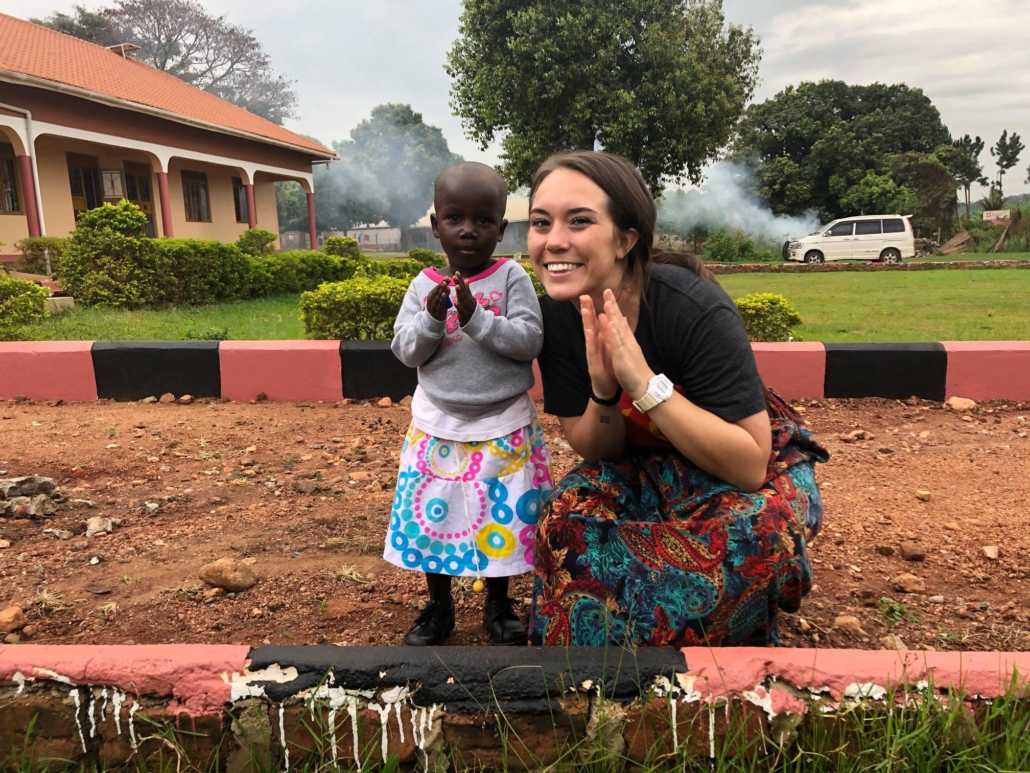
You can help improve the quality of life for Ugandans by supporting schools and education programs, which provide children with the tools they need to build a more promising future. Simone’s Kids in Nakaseke, Uganda provides education and meets basic needs for children in order to help them break the cycle of poverty. 

You can maximize your impact with recurring donations to Simone’s Kids by joining The Village. The Village is a passionate group of donors committed to bettering the lives of children in Uganda by making monthly donations that help to provide better meals, more teachers, more activities, and even post-graduation services. 

You can also make a difference by shopping at the Simone’s Kids Store or donating to Simone’s Kids. Your gifts help purchase school supplies, textbooks, food, and other necessities for Ugandan students. Consider doubling your contribution by asking if your employer participates in a donation match. Give today!

July 11, 2022/0 Comments
https://www.simoneskids.org/wp-content/uploads/2020/01/lunchline.jpg 1041 1560 Ellie Wooldridge https://www.simoneskids.org/wp-content/uploads/2026/01/Simones-Kids-Logo.png Ellie Wooldridge2022-07-11 15:12:102022-07-11 15:12:10Facts About Quality of Life in Uganda and Africa

How Uganda Became an Independent Nation

News

The modern history of Uganda is a complex one that arose from the desire of powerful European countries to seize African territories as part of their industrial empires. It took many decades for Uganda to attain independence after it was colonized by the United Kingdom. Here’s a brief historical timeline of how the country of Uganda came to be formed and established as a sovereign nation.

  • 1884: Berlin Conference. On November 15, 1884, the Berlin conference took place. This was the high point of European competition for African lands. During the meeting, the United Kingdom (UK), France, Germany, Portugal, and Belgium negotiated for territories and agreed on free trade between their colonies. No African leaders were consulted on the meeting or its outcomes. The conference paved the way for further European colonization; by 1900, Europe had claimed almost 90% of Africa.
  • 1888-1894: Buganda falls under British control. In 1888, the kingdom of Buganda (part of current-day Uganda) fell under the charter of the British East Africa Company. From 1894 onward, the UK controlled Buganda as a protectorate.
  • 1900-1914: Buganda gains autonomy. In 1900, the UK granted Buganda autonomy (not independence), transforming it into a constitutional monarchy. The UK added further territories until the geographical region now known as Uganda was established in 1914.
  • 1921: Uganda is granted a legislative council. The legislative council was allowed to pass its own laws, although no Africans were allowed to be members of it until 1945.
  • 1958-1961: Uganda is granted internal self-government. In 1958, Colonial Administrative secretary J.V. Wild chaired a committee to set up structures for elections as part of the path to Uganda’s independence. Two political parties emerged: the Democratic Party (DP) and the Uganda People’s Conference (UPC). In 1961, Uganda’s first election was held, although Buganda boycotted the proceedings. The DP won and formed Uganda’s first internal government.
  • 1962: Uganda becomes independent. On October 9, 1962, Uganda achieved independence from the UK. Another election was held in which Buganda was represented in the manner it desired. UPC won and allied itself with Buganda; a federal constitution was adopted in April. Milton Obote became Uganda’s prime minister, and Edward Frederick Mutesa II, the king of Buganda, was elected president in October of 1963. October 9 has been the Ugandan Independence Day ever since.

Unfortunately, Uganda has been troubled by violent political conflicts and health crises almost since its inception as an independent nation. An excellent way to help the Ugandan people today is to support African schools, which provide children with the tools they need to build a more promising future. 

Help Provide Educational Support and Essential Supplies for Children in Uganda

Simone’s Kids in Nakaseke, Uganda provides education and meets basic needs for children in order to help them break the cycle of poverty. Your donations help purchase school supplies, textbooks, food, and other necessities for all Ugandan students in our care.

Join us in giving back this year with gifts that provide hope to our students in Uganda. Make a difference by shopping at the Simone’s Kids Store or donating to Simone’s Kids today!

May 16, 2022/0 Comments
https://www.simoneskids.org/wp-content/uploads/2022/01/THE-3.png 3041 6000 Ellie Wooldridge https://www.simoneskids.org/wp-content/uploads/2026/01/Simones-Kids-Logo.png Ellie Wooldridge2022-05-16 16:19:262022-05-16 16:19:26How Uganda Became an Independent Nation

The Benefits of Recurring Donations for Donors

News

If you enjoy supporting good causes, but are looking for a more efficient, streamlined way to do so, consider enrolling in a charitable organization’s monthly donation program. The most common recurring donation amounts are around $52 per month, but you can choose the amount that works best for your budget.

The importance of recurring donations for nonprofits really can’t be overstated, as they provide organizations with plentiful and predictable funding—but these have quite a few benefits for donors as well. Here are some excellent reasons to give recurring donations to your most beloved organizations.

  • The empowerment of making a lasting impact. You can help your nonprofit of choice accomplish much more with monthly donations than with the one-off kind. In an increasingly chaotic and crisis-filled world, this can feel all the more empowering, which is good for your overall mental health. You may be able to sleep easier knowing that you’re standing with your favorite nonprofit and its cause all year long.
  • Convenience. Recurring donations are like autopay for your monthly bills: giving gets done without the need for to-do lists, checkbooks, stamps, or even the lift of a finger. You’ll also have peace of mind knowing that even when your life gets busy or stressful, you’ll never forget to give to the nonprofits and charities you love.
  • Avoids holiday budget conflicts. The difficulty with the tradition of charitable giving around the winter holidays is that donors are also having to do increased spending elsewhere (and are busier, with higher stress levels). With recurring donations, you’ll give the same amount all year long, and you’ll actually be giving more overall—all without breaking your holiday budget.
  • Insider perks. Many nonprofits offer small fringe benefits to their most loyal donors, such as invitations to exclusive events, forms of recognition, personalized correspondence, discounts on products or services, or even free prizes or merchandise. Insider perks shouldn’t be the main reason you donate. However, they can make for a great mood booster, open new doors, add fun to your life, and even work as a handy talking point whenever you’re asked about your interests.

Make Recurring Donations That Support Ugandan Children

You can maximize your impact in the world as a donor by supporting Ugandan schools, which provide children with the tools they need to build a more promising future. Simone’s Kids in Nakaseke, Uganda provides education and meets basic needs for children in order to help them break the cycle of poverty. 

You can make recurring donations to Simone’s Kids by joining The Village. The Village is a passionate group of donors committed to bettering the lives of children in Uganda by making monthly donations that help to provide better meals, more teachers, more activities, and even post-graduation services. 

You can also make a difference by shopping at the Simone’s Kids Store or donating to Simone’s Kids. Your gifts help purchase school supplies, textbooks, food, and other necessities for Ugandan students. Consider doubling your contribution by asking if your employer participates in a donation match. Give today!

May 16, 2022/0 Comments
https://www.simoneskids.org/wp-content/uploads/2022/05/123215929_3760966857249698_924076820416150133_n.jpg 1512 2016 Ellie Wooldridge https://www.simoneskids.org/wp-content/uploads/2026/01/Simones-Kids-Logo.png Ellie Wooldridge2022-05-16 16:05:442022-05-16 16:05:44The Benefits of Recurring Donations for Donors

The Benefits of Recurring Donations for Nonprofits

News

You’ve seen the commercials: a large nonprofit showcases all that can be accomplished with even a small monthly donation. Smaller nonprofits send emails, newsletters, and other materials to encourage recurring donations. Here’s how a well-executed nonprofit recurring donation program helps the organizations behind good causes reach their funding goals—and why you should participate.

  • Offers more predictable revenue. Knowing how much funding to expect each month makes budget planning much easier for nonprofits. By donating on time each month, you’re offering loyal support that your favorite nonprofit can count on. Over time, organizations can use the number of current recurring donors to set goals and estimate future donor acquisition rates. 
  • Improves cash flow. Rather than having to rely on annual or semi-annual fundraisers to keep budgets “in the black,” nonprofits with a strong recurring donation program will have more money to work with during slower periods of the year. Monthly donations can also provide emergency funding as needed, which means donors can really save the day for a worthy organization during tough times.
  • Is an efficient, inexpensive way to raise funds. Nonprofits that use the right tech tools can get donations processed and receipts sent automatically, allowing employees to spend their time and energy on other tasks. As a donor, you’ll be relieved to know your donations aren’t causing extra work for the organization.
  • Provides greater value over time. The math isn’t difficult: donors who give on a monthly basis ultimately provide nonprofits with more funding than one-time donors do. They also offer charitable organizations a greater return on the time and effort they spend soliciting donations. The less time employees have to spend fundraising, the more time they have to accomplish their goals and do great things in the world. 
  • Helps to increase donor retention. Statistically, donors who give on a monthly basis are more likely to continue giving year after year. This provides more funding for nonprofits over time, but it also gives them opportunities to engage donors with special events, help them feel part of the organization, and allow them to see the progress that’s being made with their donations. This can be an immensely satisfying experience for donors who want to be more involved with a cause.

Make Recurring Donations That Support Ugandan Children


You can maximize your impact in the world as a donor by supporting Ugandan schools, which provide children with the tools they need to build a more promising future. Simone’s Kids in Nakaseke, Uganda provides education and meets basic needs for children in order to help them break the cycle of poverty. 

You can make recurring donations to Simone’s Kids by joining The Village. Th

e Village is a passionate group of donors committed to bettering the lives of children in Uganda by making monthly donations that help to provide better meals, more teachers, more activities, and even post-graduation services.

You can also make a difference by shopping at the Simone’s Kids Store or donating to Simone’s Kids. Your gifts help purchase school supplies, textbooks, food, and other necessities for Ugandan students. Consider doubling your contribution by asking if your employer participates in a donation match. Give today!

April 13, 2022/0 Comments
https://www.simoneskids.org/wp-content/uploads/2022/01/THE-7.png 3041 6000 Ellie Wooldridge https://www.simoneskids.org/wp-content/uploads/2026/01/Simones-Kids-Logo.png Ellie Wooldridge2022-04-13 16:27:542022-04-13 16:29:33The Benefits of Recurring Donations for Nonprofits

Easter in Uganda

News

Making Easter Brighter for Ugandan Children

Have you ever wondered how people celebrate Easter in Uganda? You may be surprised to learn that many African Easter traditions are fairly similar to those in the US and Europe. Because Uganda is a predominantly Catholic and Christian nation, Good Friday and Easter Monday are public holidays. This means that after the forty days of Lent, Ugandans are able to celebrate the Resurrection of Christ over a four-day weekend.

Holy Week and Easter in Uganda

As most Catholics do elsewhere in the world, Ugandans celebrate Holy Week, which celebrates Palm Sunday as well as the death and resurrection of Christ. On Palm Sunday, people buy or pick palm branches to bring with them to church. On Good Friday, Holy Saturday, and Easter Sunday, churches hold additional special services. Many people also attend Easter plays and concerts, both outside of church and as part of holiday worship.

Popular Easter Activities in Uganda

In addition to religious observances, Ugandans also celebrate the Easter holiday weekend in other festive ways:

  • Traveling to see family members. Just as they do over the Christmas holiday, Ugandans often travel over the Easter holiday weekend to spend time with their families.
  • Picnicking by Lake Victoria. Another popular Ugandan Easter activity is taking part in picnics along the shores of beautiful Lake Victoria. Many Ugandans also play beach soccer or volleyball and go swimming.
  • Throwing Easter parties. Those who aren’t traveling for Easter may choose to host large, colorful Easter parties at their homes. People wear bright, new clothes, exchange gifts, and enjoy a holiday feast full of local delicacies.
  • Enjoying Easter safaris. Tourists in Uganda can spend Easter celebrating new life by booking a safari in a national park. It’s a great way to see chimpanzees, gorillas, rhinoceroses, and many other wild species as well as visit some of Uganda’s beautiful landmarks.

Although Easter is a time for joyful celebration in Uganda, it’s important to remember that about 41% of its residents live in poverty. The COVID-19 pandemic has worsened the national economic outlook as well as the already low quality of education. You can make Easter brighter for adults and children by donating to humanitarian nonprofits that serve the Ugandan population. 

Maximize your impact by supporting Ugandan schools, which provide children with the tools they need to build a more promising future. Simone’s Kids in Nakaseke, Uganda provides education and meets basic needs for children in order to help them break the cycle of poverty. Your donations help purchase school supplies, textbooks, food, and other necessities for Ugandan students.

Consider making recurring donations to Simone’s Kids by joining The Village. The Village is a passionate group of donors committed to bettering the lives of children in Uganda by making monthly donations that help to provide better meals, more teachers, more activities, and even post-graduation services. You can also make a difference by shopping at the Simone’s Kids Store or donating to Simone’s Kids. Your gifts help purchase school supplies, textbooks, food, and other necessities for Ugandan students. Consider doubling your contribution by asking if your employer participates in a donation match. Give today!

April 13, 2022/0 Comments
https://www.simoneskids.org/wp-content/uploads/2022/04/Uganda_2016-65-1024x683-1.jpg 683 1024 Ellie Wooldridge https://www.simoneskids.org/wp-content/uploads/2026/01/Simones-Kids-Logo.png Ellie Wooldridge2022-04-13 15:28:422022-04-13 15:28:42Easter in Uganda

Benefits of Working for Christian Nonprofit Organizations

News

Working for a nonprofit can provide immense job satisfaction and improved mental health, which is what draws so many people to seek out nonprofit jobs. For Christians, working for a faith-based organization (FBO) offers significant spiritual and personal benefits as well. Here are some of the greatest benefits of working in the nonprofit sector in general and for Christian nonprofits in particular.


  • Doing work you are passionate about. For many people, jobs at for-profit companies are just a way to pay the bills—and they can be soul-numbingly boring. At a nonprofit, all the work you do every day supports a mission you genuinely care about, which inspires motivation and pride in even the smallest tasks. Nonprofit work at a Christian FBO provides all this while also allowing you to share your passion for Christ with others.


  • Working with passionate, caring people. Working alongside people who share your love for good causes is also gratifying. Coworkers with shared interests are more likely to like, respect, and care about each other, which can greatly enhance company culture and your employee experience. Nonprofit Christian work can additionally provide a close-knit “spiritual family” and offer opportunities to meet even more people who share your faith.


  • Opportunities to practice and deepen your faith. Rather than having to hide it or feel ostracized by it, you can let your faith shine and flourish when you work at a Christian nonprofit. Because your coworkers will largely share your values, you can comfortably support each other, pray for each other, and offer spiritual insight during challenging times.


  • The satisfaction of making a difference. Many people feel that their for-profit jobs lack meaning because they don’t feel their work has much impact in their company or community. Working with an FBO not only gives you the satisfaction of seeing the fruits of your work every day, but the fulfillment of leading by example as a Christian. You’ll feel that impact every time you provide someone with material goods, services, or ministry.


  • Relaxed dress codes. Although dress codes vary among organizations, secular and Christian nonprofits alike often have more relaxed dress codes than for-profit and corporate companies do. These can range from business casual to modesty-focused to no dress code at all. This lets you be more comfortable and feel more like yourself, and it can even boost morale and productivity as well.

Apply for a Position with a Christian Nonprofit Serving Ugandan Children

An excellent way to find meaningful work with a Christian nonprofit organization is to apply for a position with Simone’s Kids. Simone’s Kids in Nakaseke, Uganda provides education and meets basic needs for children in order to help them break the cycle of poverty. Simone’s Kids currently has multiple job opportunities. You can give hope to our students in Uganda by joining our ministry as a Simone’s Kids employee. 

March 28, 2022/0 Comments
https://www.simoneskids.org/wp-content/uploads/2022/03/71016310_10157627548674444_8343183085847707648_n.jpg 1080 1618 Ellie Wooldridge https://www.simoneskids.org/wp-content/uploads/2026/01/Simones-Kids-Logo.png Ellie Wooldridge2022-03-28 17:15:322022-03-28 17:17:02Benefits of Working for Christian Nonprofit Organizations

Why Fundraisers Are So Vital to Nonprofit Success

News

If you’ve ever been involved with a school, church, or charitable organization, you’ve definitely seen a variety of fundraisers, from bake sales to dunk tanks. These donation drivers do so much more than raise money for good causes: they bring communities together over a common  need, and they’re fun. Here’s why you should reach for your wallet, checkbook or cryptocurrency account the next time there’s a fundraiser near you.

  • Nonprofits rely on donations and fundraising as an essential part of their funding. Nonprofits rely on a mixture of funding sources, many of which are labor-intensive to acquire. These typically include grants, fees for goods and services, corporate contributions, bequests, loans, and memberships dues and fees. However, no nonprofit can survive without fundraising. When you give to a cause-driven organization, you are helping them operate and grow in real and necessary ways.
  • Fundraising raises awareness for worthwhile local causes. Nonprofit missions are always aligned with a significant need in their communities. When they fundraise, they alert community members and the wider world to important problems they might not otherwise be aware of. Anyone who wants a community to thrive—whether it’s close to home or in another country—can learn a lot about how to make this happen from a well-publicized fundraiser.
  • Fundraising helps nonprofits connect with current and future donors. Many people, wealthy and otherwise, are strongly inclined to give to communities they care about in specific ways, and fundraisers connect them with ways to serve their most-beloved causes. Building and maintaining these relationships can help nonprofits protect and grow an important source of revenue, but they also help community members feel connected and valued.

Because Americans live in a wealthy nation with a strong currency, US donations can be especially impactful for nonprofits serving communities in low-income countries. This is particularly the case in Sub-Saharan African countries, where people are in need of not only essential goods for daily survival, but also tools to help their communities prosper in the future.

You Can Help Fund Nonprofits that Support Ugandan Children

An excellent way to maximize the impact of your contribution to nonprofit funding is to support Ugandan schools, which provide children with the tools they need to build a more promising future. Simone’s Kids in Nakaseke, Uganda provides education and meets basic needs for children in order to help them break the cycle of poverty.

You have the opportunity to join our monthly giving program, The Village. For $25 a month you can be a part of an amazing community that continuously gives to the mission of Simone’s Kids. The Village ensures our students receive high quality resources through education, healthcare, and the gospel.

Check our website and social media for upcoming events and fundraisers. You can even start your own fundraiser as part of a social event or important occasion. 

You can also make a difference by shopping at the Simone’s Kids Store or donating to Simone’s Kids. Your gifts help purchase school supplies, textbooks, food, and other necessities for Ugandan students. Consider doubling your contribution by asking if your employer participates in a donation match. Give today!

March 18, 2022/0 Comments
https://www.simoneskids.org/wp-content/uploads/2022/03/70374936_10157598850609444_3431242633970712576_n.jpg 1282 1920 Ellie Wooldridge https://www.simoneskids.org/wp-content/uploads/2026/01/Simones-Kids-Logo.png Ellie Wooldridge2022-03-18 15:04:272022-03-18 15:06:27Why Fundraisers Are So Vital to Nonprofit Success

Making a Commitment

News

Oxford Languages defines a commitment by the state or quality of being dedicated to a cause or activity. We see the synonyms for commitment being adhesion, attachment, faithfulness, steadfastness, dedication. In scripture, God speaks a lot of our commitment to him, so much so it is part of the ten commandments that he gave Moses and the Israelites. The commandment is to have no idols, no false gods, no one before God himself.

We have so many kings and false gods in our society today—that are completely hidden. We place a great importance on material items, social status, our image, comfort, food, relationships and even our families can become idols of importance. An idol can be anything that you place the importance of over God. 

One way we can look at our commitments is to see what has our most attention, our most concern and worry. Are we placing our attention on Christ or on our personal success in our job? Are we focused on what God is doing through us or on how we can make our lives the most comfortable? Are we focused on serving others or getting our “me time”?

A commitment is a serious machine that will drive our lives in a specific direction. What direction are your commitments driving you towards?

Do you have commitments to give? One-time gifts are a great way to support a ministry, like Simone’s Kids, that help support many one-time needs. A commitment to join a recurring giving program, like The Village, allows you to say to yourself and the organization, this is something that I don’t want to do just one time, but something I believe in and a direction I want my life to go towards. I want to be a giver into the kingdom of God, not just today—but for the next month and the next month and the next! A commitment to Simone’s Kids, allows us to plan for recurring costs, like those little hungry bellies that want three meals a day—EVERY DAY—can you believe that?!

In March, we have a goal to find 30 new Village members. If you are a current member, could you take this opportunity to share your experience with someone else? If you are not a current member, you can join for as low as $25 per month and you can know that you have committed yourself to a good path – a good ministry. 

Join The Village

March 16, 2022/0 Comments
https://www.simoneskids.org/wp-content/uploads/2022/01/THE-4-1.png 3041 6000 Ellie Wooldridge https://www.simoneskids.org/wp-content/uploads/2026/01/Simones-Kids-Logo.png Ellie Wooldridge2022-03-16 14:35:372022-03-16 14:39:38Making a Commitment
Page 5 of 8«‹34567›»

Pages

  • 2023 Report
  • About Simone’s Kids
  • Address
  • Afterschool
  • Celebrate
  • Classroom for Christmas
  • Contact
  • Current Projects
  • Donate Stocks
  • Donation Details
  • Double the Donation
  • Event Sponsorship
  • General Contact form
  • Highschool
  • Home
  • Home for the Holidays 24
  • Job Opportunities
  • Links
  • Lunchline
  • News
  • Not Back to School Campaign
  • Not Back to School Resources
  • Primary School
  • Privacy Policy
  • Programs
  • quiz
  • Sponsor A Child with Simone’s Kids
  • Terms & Conditions
  • Thank You
  • Trips
  • Village
  • Village Lunch RSVP
  • Vocational School
  • Vocational School
  • World Malaria Day
  • World Malaria Day

Categories

  • News

Archive

  • June 2025
  • May 2025
  • April 2025
  • March 2025
  • February 2025
  • January 2025
  • November 2024
  • October 2024
  • September 2024
  • August 2024
  • July 2024
  • June 2024
  • May 2024
  • April 2024
  • March 2024
  • February 2024
  • January 2024
  • December 2023
  • November 2023
  • October 2023
  • August 2023
  • July 2023
  • June 2023
  • May 2023
  • April 2023
  • March 2023
  • February 2023
  • January 2023
  • December 2022
  • November 2022
  • October 2022
  • September 2022
  • August 2022
  • July 2022
  • May 2022
  • April 2022
  • March 2022
  • February 2022
  • January 2022
  • December 2021
  • November 2021
  • August 2021
  • February 2021
  • January 2021
  • July 2020
  • May 2020
  • March 2020
  • May 2019
  • February 2019
  • December 2018
  • November 2018
  • August 2018
  • June 2018
  • May 2018
  • March 2018
  • January 2018
  • November 2017
  • August 2017
  • July 2017
  • June 2017
  • May 2017
  • April 2017
  • January 2017
  • June 2016
  • October 2015
  • September 2015

Get to know us

  • About Us
  • Our Team
  • Finances
  • Youtube

Connect

  • Contact us
  • Donate
  • Blog
  • Job Opportunities

Get Involved

    • Join the Village
    • Sponsor a Child
    • Travel to Uganda
    • Shop Our Store

Registered 501(c)(3). EIN: 27-2202937

© Copyright - Simone's Kids 2026 | 200 West Main Street, Cartersville GA 30120
  • Link to Facebook
  • Link to Youtube
  • Link to Instagram
  • Donation Details
  • Privacy Policy
  • Terms & Conditions
Scroll to top Scroll to top Scroll to top

This site uses cookies. By continuing to browse the site, you are agreeing to our use of cookies.

Accept settingsHide notification onlySettings

Cookie and Privacy Settings


How we use cookies

We may request cookies to be set on your device. We use cookies to let us know when you visit our websites, how you interact with us, to enrich your user experience, and to customize your relationship with our website.

Click on the different category headings to find out more. You can also change some of your preferences. Note that blocking some types of cookies may impact your experience on our websites and the services we are able to offer.

Essential Website Cookies

These cookies are strictly necessary to provide you with services available through our website and to use some of its features.

Because these cookies are strictly necessary to deliver the website, refusing them will have impact how our site functions. You always can block or delete cookies by changing your browser settings and force blocking all cookies on this website. But this will always prompt you to accept/refuse cookies when revisiting our site.

We fully respect if you want to refuse cookies but to avoid asking you again and again kindly allow us to store a cookie for that. You are free to opt out any time or opt in for other cookies to get a better experience. If you refuse cookies we will remove all set cookies in our domain.

We provide you with a list of stored cookies on your computer in our domain so you can check what we stored. Due to security reasons we are not able to show or modify cookies from other domains. You can check these in your browser security settings.

Other external services

We also use different external services like Google Webfonts, Google Maps, and external Video providers. Since these providers may collect personal data like your IP address we allow you to block them here. Please be aware that this might heavily reduce the functionality and appearance of our site. Changes will take effect once you reload the page.

Google Webfont Settings:

Google Map Settings:

Google reCaptcha Settings:

Vimeo and Youtube video embeds:

Privacy Policy

You can read about our cookies and privacy settings in detail on our Privacy Policy Page.

Privacy Policy
Accept settingsHide notification only